心理学ホント
「2・4・6」の法則、あなたは見抜ける? 脳が"当たり"ばかり探す確証バイアス
 2026.10.02
 English Corner(A2〜B2・4択クイズ)
 読む前に予想してみよう!
「2・4・6」のルール当てパズルでは、ほとんどの人が最初の答えで正解できる
1960年の実験では、最初の答えで正解できたのは29人中6人だけだった。
 研究カード(どんな研究?)
- 対象
- 大学生など
- 規模
- 29人(1960年の2-4-6課題)+多数の追試
- 研究の種類
- 実験室実験+レビュー
- 確かさ
- ★★★★☆
人は自分の考えに合う証拠ばかり探し、反する証拠を見落とす。「2・4・6」の数字パズルでは多くの人が正解にたどり着けなかった。
ひとことで言うと「やっぱりね!」と思える情報だけ、集めちゃうクセ!
まずはクイズから。
「2・4・6」という3つの数字の並びは、あるルールに当てはまっています。あなたは自由に3つの数字を出して、「ルールに合う/合わない」を教えてもらえます。さて、ルールは何でしょう?
多くの人は「8・10・12」「20・22・24」と試して、「合う」と言われ、「2ずつ増える!」と自信満々に答えます。……でも、不正解です。
01正解は、拍子抜けするほどシンプル
このパズルを考えたのは、イギリスの心理学者ピーター・ウェイソン。1960年に発表された実験です。
「1・2・3」でも「5・17・100」でも「合う」。もし、自分の予想では外れるはずの例を試して「合う」と言われていれば、すぐに「2ずつ」が間違いだと気づけたはずなのです。
ところが人は、自分の予想を確かめる例ばかり選び、壊す例を試そうとしません。これが確証バイアスの正体です。
02同じ資料を読んで、なぜか両方が強気になる
確証バイアスは、数字パズルだけの話ではありません。
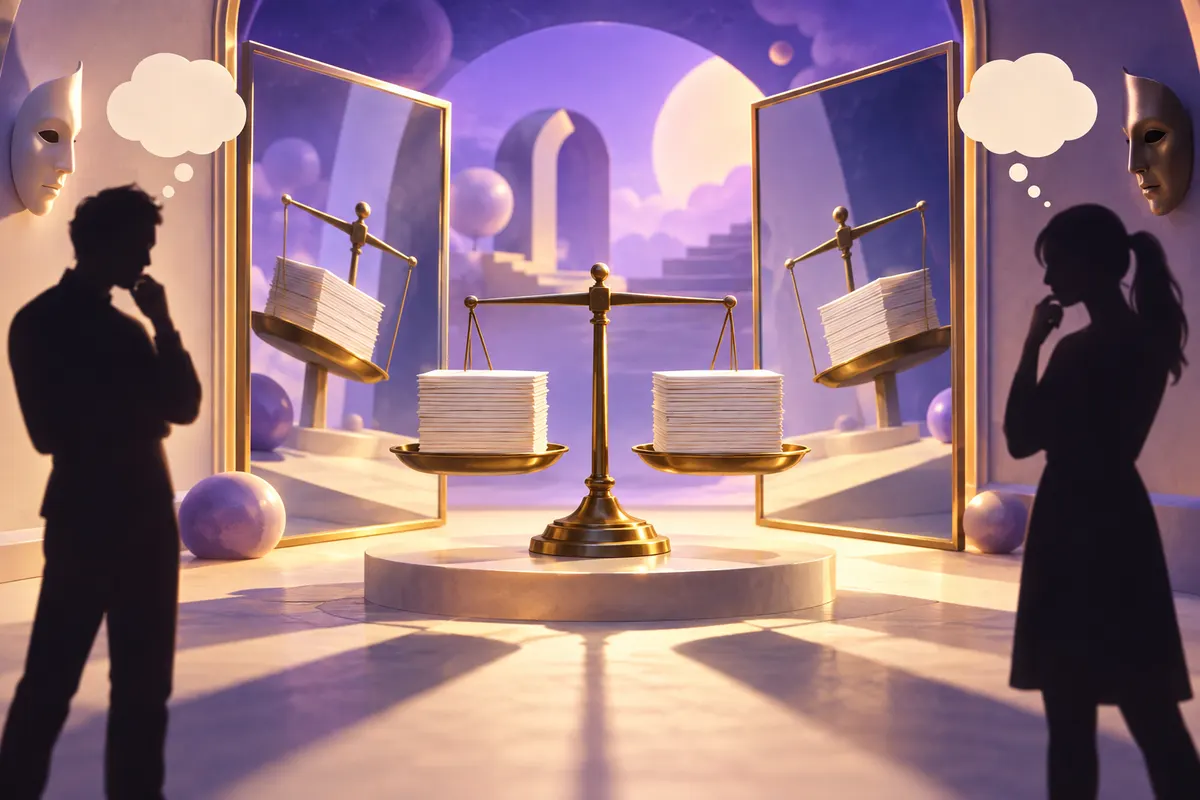
1979年、スタンフォード大学の研究者たちは、死刑制度に賛成の学生と反対の学生に、同じ内容の研究資料を読ませました。資料には「死刑には犯罪を減らす効果がある」という研究と「ない」という研究の両方が入っています。
普通に考えれば、両方を読めば意見は真ん中に寄りそうですよね。ところが結果は逆。賛成派は自分に有利な研究を「しっかりした研究だ」と評価し、反対派はその逆。どちらも、自分の意見がより強まったと答えたのです。
ただし、この研究の参加者は48人と少なく、「意見が強まった」は本人の自己申告でした。その後の大規模な調査実験(Guess & Coppock, 2018)では、反対意見の証拠を見せても逆に意見が強まる「反発」はほとんど見られず、多くの人は少しずつ証拠の方向に考えを動かしていました。「自分に都合のいい証拠を高く評価する」傾向はくり返し確認されていますが、「反論されるとかえって頑固になる」は、思われているほどよく起きるわけではなさそうです。
03なぜ脳は"当たり"だけ探すのか
確証バイアスについての大きなレビュー(Nickerson, 1998)は、これを「さまざまな姿で現れる、どこにでもある現象」とまとめています。理由としてよく挙げられるのは次のようなものです。
- 楽だから:自分の考えを壊す情報を探すのは、頭も心も疲れる
- 間違えたくないから:「自分は正しかった」と思える情報は気持ちいい
- 記憶のえこひいき:当たった占い、的中した予感など「合っていた例」ほど覚えている
ネットの検索も同じです。「〇〇 効果ある」で検索すれば、効果があるという記事が並びます。質問の仕方の時点で、答えが偏るのです。ネットの情報の確かめ方は横読み(ラテラル・リーディング)の記事、確証バイアスが関わる身近な例は陰謀論の心理や後知恵バイアスの記事も参考にどうぞ。
もっとも、「当てはまりそうな例を試す」こと自体がいつも悪いわけではありません。1987年の研究(Klayman & Ha)は、多くの場面ではこの試し方でも十分役に立ち、2・4・6のように本当のルールが予想より広いときに特に失敗しやすい、と指摘しています。
04効くのは「反対を考えてみる」
うれしいことに、対策もちゃんと研究されています。1984年の研究では、判断の前に「もし逆の結果が出ていたら、自分はどう評価する?」と考えさせると、偏りが小さくなりました。「公平になろう」と心がけるだけより、効果があったのです。
05まとめ
確証バイアスは、だれにでも起こりうる、という意味でもやっかいです。
大事なのは「自分は偏っていない」と思うことではなく、わざと「1・2・3」のような、外れるはずの例を試してみる勇気。予想を壊す例を探しにいける人が、いちばん早く正解にたどり着けます。
この研究を英語で読もう原田英語の English CornerIn 1960, British psychologist Peter Wason gave students the numbers 2, 4, 6 and asked them to find the rule… 音声
音声 4択クイズ9問A2・B1・B2タップして開く
原田英語の English Corner
この研究を英語で読もう
Here is a puzzle. The numbers 2, 4, 6 follow a rule. You can try other numbers to find the rule. Many people try 8, 10, 12 and say, "The numbers go up by two."
But that is wrong. The real rule is "three numbers that get bigger." In a 1960 study, only 6 of 29 people found the answer on their first try. We often test only examples that we think are right.
74 words ・ CEFR A2
和訳を見る
パズルがあります。2、4、6という数字はあるルールに従っています。ルールを見つけるために、他の数字を試すことができます。多くの人は8、10、12を試して、「数字は2ずつ増える」と言います。
しかしそれは間違いです。本当のルールは「だんだん大きくなる3つの数」です。1960年の研究では、最初の答えで正解できたのは29人中6人だけでした。私たちは、正しいと思う例だけを試してしまうことが多いのです。
4択リーディングクイズ
Q1. What is the real rule of the puzzle?
The real rule is "three numbers that get bigger." とあるので C。
Q2. How many people found the answer on their first try in 1960?
only 6 of 29 people found the answer on their first try とあるので A。
Q3. What mistake do many people make, according to the passage?
最終文 We often test only examples that we think are right. より D。
In 1960, British psychologist Peter Wason gave students the numbers 2, 4, 6 and asked them to find the rule behind them. They could test any three numbers. Most people tried sets like 8, 10, 12, which fit their guess that the numbers increase by two. Only 6 of 29 students gave the correct rule on their first attempt: any three increasing numbers.
If they had tried 1, 2, 3 and heard that it fit the rule, they would have seen that their idea was wrong. This tendency to look for evidence that supports our beliefs is called confirmation bias. It also affects internet searches, since how we ask can shape the answers we find. One helpful strategy is to ask yourself, "What if the opposite were true?"
128 words ・ CEFR B1
和訳を見る
1960年、イギリスの心理学者ピーター・ウェイソンは、学生たちに2、4、6という数字を与え、その背後にあるルールを見つけるよう求めました。学生たちは3つの数字のどんな組み合わせでも試すことができました。ほとんどの人は8、10、12のような組を試しましたが、それは数字が2ずつ増えるという彼らの推測に合うものでした。最初の挑戦で正しいルール、つまり「増えていく任意の3つの数」を答えたのは、29人中6人だけでした。もし1、2、3を試して「合う」と言われていれば、自分の考えが間違っていることにすぐ気づいたでしょう。自分の信念を支持する証拠を探すこの傾向は、確証バイアスと呼ばれます。
それはネット検索にも影響します。質問の仕方が、見つかる答えを形作ってしまうからです。役に立つ方法の一つは、「もし逆が正しかったら?」と自分に問いかけることです。
4択リーディングクイズ
Q1. Why did most students fail to find the rule?
Most people tried sets like 8, 10, 12, which fit their guess とあるので B。
Q2. According to the passage, how could students have discovered their mistake?
If they had tried 1, 2, 3 and heard that it fit the rule, they would have seen that their idea was wrong とあるので A。
Q3. How does confirmation bias affect internet searches?
the way we ask a question can shape the answers we find とあるので D。
Peter Wason's 1960 2-4-6 task looks almost too simple. Participants were told that the sequence 2, 4, 6 obeyed a rule and could propose further triples to discover it. Most generated examples such as 8, 10, 12 that fit their hypothesis of "increasing by two," received confirmation, and confidently announced their answer.
Only 6 of 29 were right on their first attempt, because the actual rule was broader: any three ascending numbers. A single test like 1, 2, 3 would have revealed the error. Raymond Nickerson later described this preference for confirming evidence as ubiquitous. A 1979 Stanford study added that people judge mixed evidence through the lens of prior beliefs, rating studies that support their view as more convincing. Two qualifications are important.
First, that study involved only 48 participants, and later large survey experiments found little evidence that counterarguments make people hold their views more firmly; most shifted slightly toward the evidence. Second, Klayman and Ha argued in 1987 that testing positive examples is often a reasonable strategy, failing mainly when the true rule is wider than the guess. Encouragingly, asking people to "consider the opposite" has been shown to reduce biased judgments.
195 words ・ CEFR B2
和訳を見る
ピーター・ウェイソンの1960年の2-4-6課題は、ほとんど簡単すぎるように見えます。参加者は、2、4、6という数列があるルールに従っていると告げられ、それを見つけるためにさらに3つ組の数を提案できました。ほとんどの人は「2ずつ増える」という仮説に合う8、10、12のような例を出し、「合う」と確認されて、自信を持って答えを発表しました。
最初の挑戦で正解したのは29人中6人だけでした。実際のルールはもっと広く、「上昇する任意の3つの数」だったからです。1、2、3のようなテストを一度するだけで、誤りは明らかになったはずです。確証する証拠を好むこの傾向を、レイモンド・ニッカーソンは後に、どこにでもあるものと表現しました。1979年のスタンフォードの研究は、人は賛否混在した証拠を事前の信念というレンズを通して判断し、自分の見方を支持する研究をより説得力があると評価することを付け加えました。2つの留保が重要です。
第一に、その研究の参加者は48人だけで、その後の大規模な調査実験では、反論によって人々がかえって意見を強く持つという証拠はほとんど見つからず、多くの人はわずかに証拠の方向へ考えを動かしました。第二に、クレイマンとハは1987年に、当てはまる例を試すことは多くの場合妥当な方略であり、失敗するのは主に本当のルールが推測より広いときだと論じました。心強いことに、「逆を考えてみる」よう求めることは、偏った判断を減らすことが示されています。
4択リーディングクイズ
Q1. Why did most participants in Wason's task fail?
the actual rule was broader ... A single test like 1, 2, 3 would have revealed the error とあり、推測が狭く反証例を試さなかったためなので A。
Q2. What did later large survey experiments find?
found little evidence that counterarguments make people hold their views more firmly; most shifted slightly toward the evidence とあるので B。
Q3. What was Klayman and Ha's point?
testing positive examples is often a reasonable strategy, failing mainly when the true rule is wider than the guess とあるので C。
重要単語
- biasB2名詞偏り、思い込みEveryone has some bias in their thinking.
 confirmation bias「確証バイアス」。形容詞 biased「偏った」。
 - hypothesisC1名詞仮説Scientists test a hypothesis with experiments. 複数形 hypotheses。hypothetical「仮定の」も合わせて。
- evidenceB1名詞証拠We need more evidence before we decide. 不可算名詞。evidence for / against ~「~を支持する/~に反する証拠」。
- confirmB1動詞確かめる、裏づけるThe results confirmed my guess. 名詞 confirmation。予約の「確認」でも使う日常語。
- oppositeA2名詞・形容詞反対、逆のこと/反対のTry to imagine the opposite result. the opposite of ~「~の反対」。consider the opposite は偏りを減らす方法として有名。
- ubiquitousC2形容詞どこにでもあるConfirmation bias is ubiquitous in daily life. ラテン語「どこにでも」。ubiquitous computing など難関大長文で出る。
- disproveC1動詞反証する、誤りを証明するTry examples that could disprove your idea. dis-(否定)+prove。名詞的には disconfirming evidence「反証となる証拠」。
 入試に出る順の単語帳を印刷する →
 全5561語の「科学英単語カード」で復習する →
 動画でもっと知る
動画は各チャンネルの公式埋め込みで表示しています(YouTube)。
この話題を TED で聞く
同じテーマの TED・TED-Ed を、 TED HACK で。英語の見どころ・使える表現・学習ミッションつきの日本語ガイドです。(運営:原田英語)
このネタ、誰かに教えたくなった?
「2・4・6」に当てはまるルールを当てるだけのパズル。簡単そうなのに、多くの人が外す。理由は「当たりそうな例」ばかり試して「外れそうな例」を試さないから。これが確証バイアスらしい。
押すと「マジかリスト」に保存されます
 出典・参考文献(6件)タップで表示
- Wason (1960) On the failure to eliminate hypotheses in a conceptual task, Quarterly Journal of Experimental Psychologydoi.org
- Nickerson (1998) Confirmation bias: A ubiquitous phenomenon in many guises, Review of General Psychologydoi.org
- Lord, Ross & Lepper (1979) Biased assimilation and attitude polarization: The effects of prior theories on subsequently considered evidence, Journal of Personality and Social Psychologydoi.org
- Lord, Lepper & Preston (1984) Considering the opposite: A corrective strategy for social judgment, Journal of Personality and Social Psychologydoi.org
- Guess & Coppock (2018) Does counter-attitudinal information cause backlash? Results from three large survey experiments, British Journal of Political Sciencedoi.org
- Klayman & Ha (1987) Confirmation, disconfirmation, and information in hypothesis testing, Psychological Reviewdoi.org

※本記事は上記の研究・公開資料をもとに、原田英語が独自の言葉で解説したものです。引用は著作権法第32条の範囲で行い、出典を明記しています。画像はすべてオリジナルのイメージです。研究結果には限界や個人差があります。誤りのご指摘は原田英語のお問い合わせフォームから。