体と健康・食ホント
失った手が痛む「幻肢痛」。鏡1枚で痛みがやわらぐ理由を、脳科学は書き換え続けている
 2026.10.02
 English Corner(A2〜B2・4択クイズ)

 読む前に予想してみよう!
手足を失った人が感じる「幻肢」の感覚は、気のせいである
脳の体の地図や感覚処理に関わる現象で、多くの切断経験者が報告する実在の体験である。
 研究カード(どんな研究?)
- 対象
- 手足を切断した人
- 規模
- 数十人規模の研究が複数
- 研究の種類
- 脳機能イメージング・小規模ランダム化試験
- 確かさ
- ★★★☆☆
手足を失った人の多くが「ないはずの手」の痛みを感じる。脳の地図の作りかえが原因とされたが、2013年の研究は逆の可能性を示し、議論が続いている。
ひとことで言うとないはずの手が痛むことがある。鏡を使うとやわらぐ人もいる。
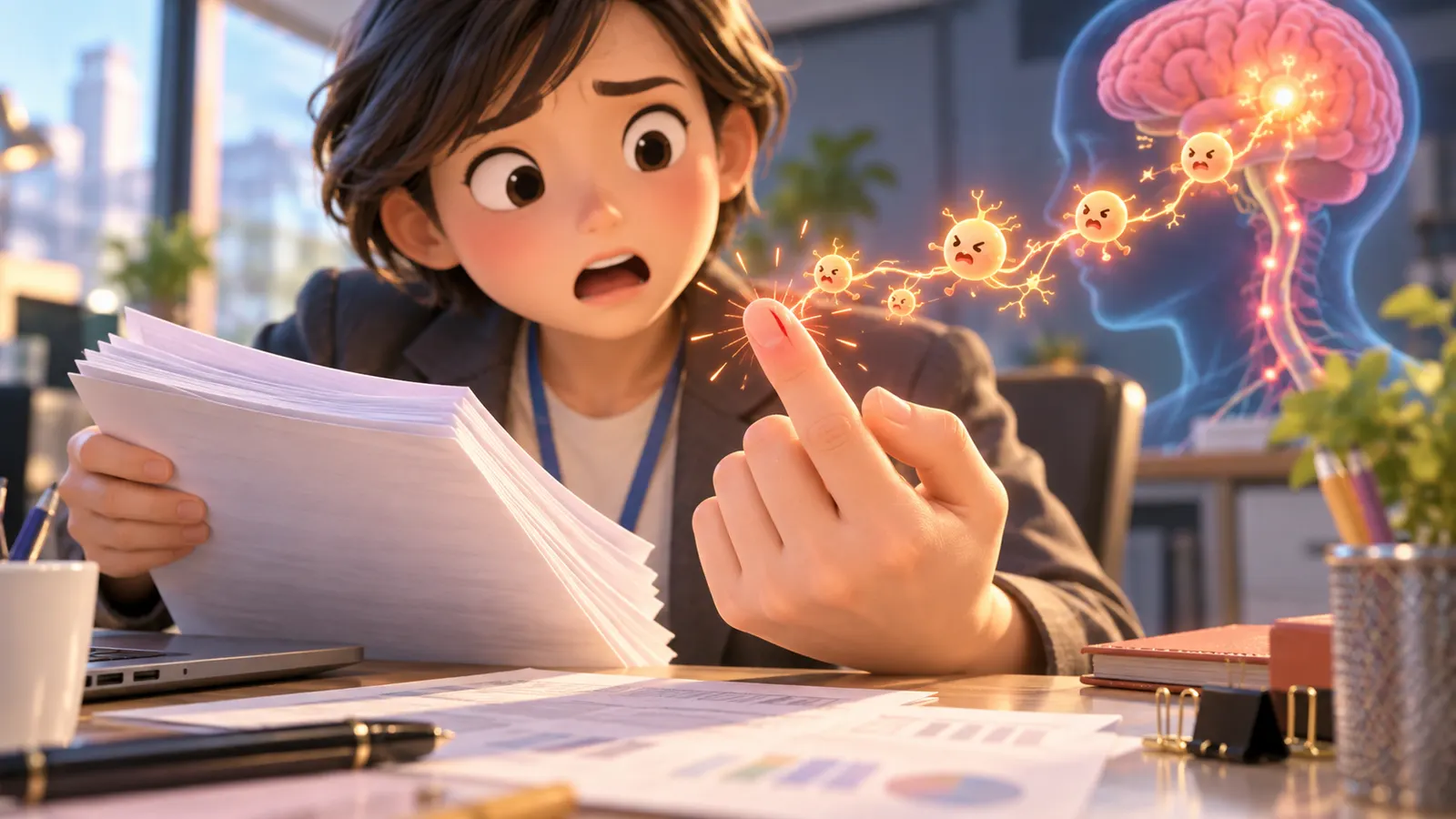
手を失った人が、「ないはずの手」の存在を感じる。指を曲げた感じがする。そして、その手が痛む。
これは怪談ではありません。幻肢(げんし)と幻肢痛と呼ばれる、医学的に知られた現象です。切断を経験した人の多くが幻肢を感じ、かなりの割合の人が痛みも経験すると報告されています。
ないものが痛む。脳はいったい何をしているのでしょうか。
01脳の中には「体の地図」がある
脳の感覚をつかさどる領域には、体の部位が順番に並んだ地図があります。手の感覚は手の担当エリア、顔は顔の担当エリアへ届きます。
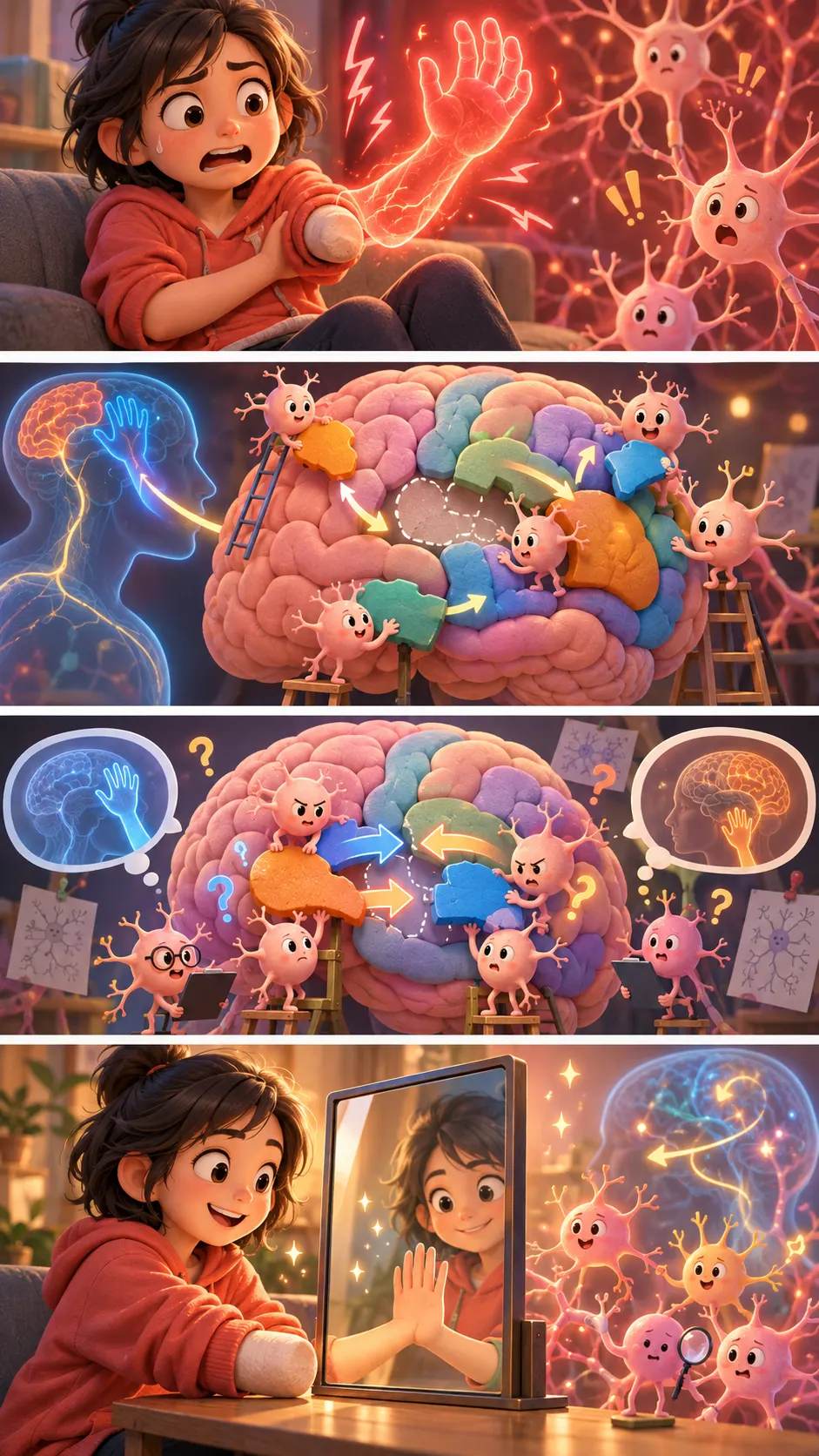
1995年、ドイツの研究者フロールらは、腕を切断した人の脳を磁気を使った方法で調べ、地図の作りかえ(再編成)の大きさと、幻肢痛の強さが強く関係する(相関係数0.93)と報告しました。
ここから、「手からの入力が来なくなり、隣の領域(顔など)が手のエリアに侵入する。この地図の混乱が痛みの原因だ」という説明が広まりました。
02鏡1枚で起きた、不思議なこと
同じころ、もう1つの有名な研究が登場します。
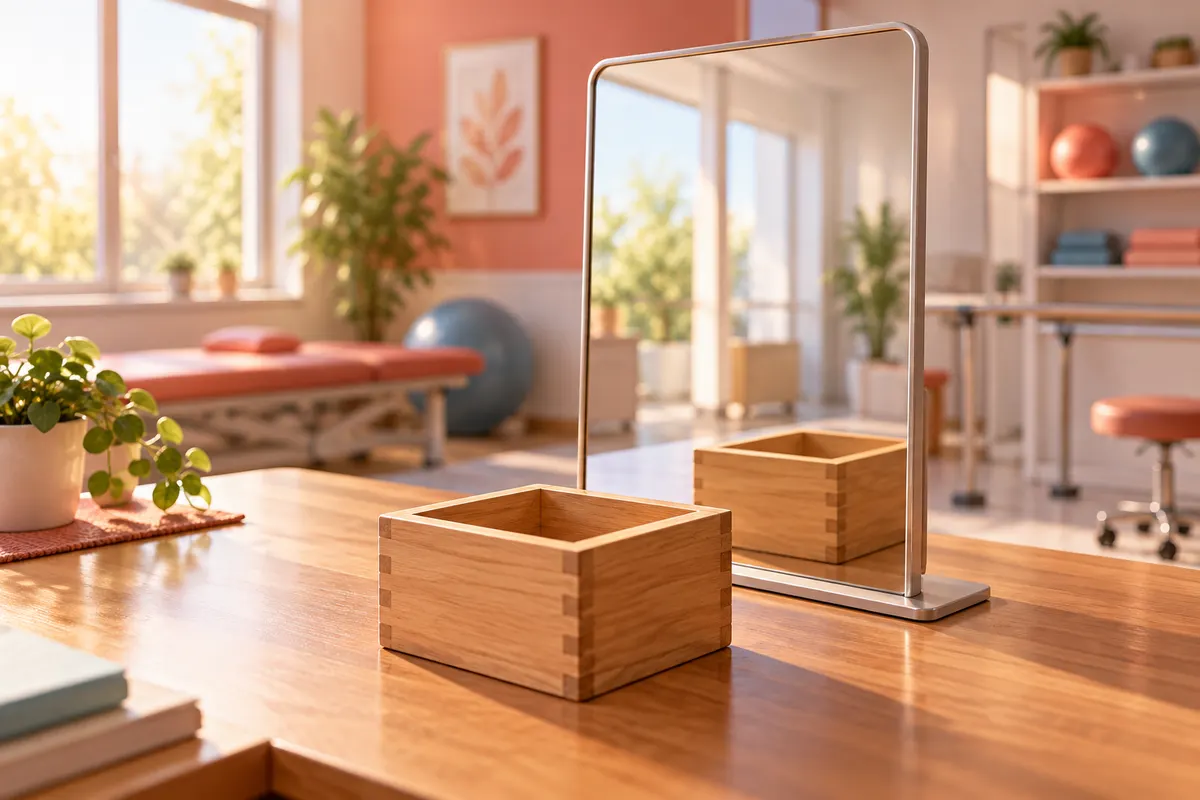
視覚が触覚や運動の感覚を書き換える――このミラーセラピーの発想は、その後リハビリに応用されました。2007年には、米国の研究者らが切断を経験した22人を対象にした小規模なランダム化試験の結果を『NEJM』に報告し、鏡を使った群で痛みの改善が見られたとしています。
03どんでん返し:「地図の混乱」説への反論
ところが2013年、英オックスフォード大学のメイキンらが、定説をゆさぶる研究を発表しました。
つまり、「地図が壊れたから痛い」ではなく、「痛みを感じ続けることで地図が維持される」のかもしれない、という見方です。
04ミラーセラピーは「万能」ではない
ミラーセラピーは安全で費用も安く、試す価値がある方法とされています。ただし、研究の多くは参加者が少なく、本物の鏡と「見せかけの鏡」を比べる盲検化が難しいという弱点があります。
効く人と効かない人がいて、効果の大きさの推定にも幅があります。
05まとめ
- 幻肢痛は、失った手足に痛みを感じる実在の現象
- 「脳の体の地図の作りかえが原因」という説が長く有力だった
- 2013年の研究は「手のエリアは保たれていた」と報告し、因果が逆の可能性を示した
- 鏡を使うミラーセラピーは有望だが、効く人・効かない人がいる
脳は体の「設計図」を持っていて、体が変わっても簡単には手放さない。幻肢痛は、その執着が生む切ない現象なのかもしれません。
この研究を英語で読もう原田英語の English CornerAfter losing an arm or a leg, many people still feel that it is there. 音声
音声 4択クイズ9問A2・B1・B2タップして開く
原田英語の English Corner
この研究を英語で読もう
Some people who lose an arm or a leg can still feel it. Sometimes, this missing body part even hurts. This is called phantom limb pain. In the 1990s, a scientist named Ramachandran used a simple mirror box.
A patient puts the other hand in front of the mirror. Then it looks like the lost hand is back. For some people, this helped reduce the pain.
66 words ・ CEFR A2
和訳を見る
腕や脚を失った人の中には、まだそれを感じられる人がいます。ときには、このなくなった体の部分が痛むことさえあります。これは幻肢痛と呼ばれます。1990年代、ラマチャンドランという科学者は簡単な鏡の箱を使いました。
患者は鏡の前にもう一方の手を置きます。すると、失った手が戻ってきたように見えるのです。一部の人にとって、これは痛みを減らす助けになりました。
4択リーディングクイズ
Q1. What is the passage mainly about?
失った手足が痛む幻肢痛と、鏡を使った方法がテーマなので C。
Q2. What did Ramachandran use?
a scientist named Ramachandran used a simple mirror box とあるので B。
Q3. In this passage, "missing" means ...
missing は「なくなった・欠けている」。失った体の部分のことなので B。
After losing an arm or a leg, many people still feel that it is there. A large number also feel pain in it. This is called phantom limb pain. The brain has a map of the body.
In 1995, a team led by Flor reported that the more this map had changed after amputation, the stronger the pain was. Around the same time, Ramachandran developed mirror therapy. Patients looked at the reflection of their remaining hand in a mirror, and it looked like the missing hand. Some said their pain became weaker.
Then, in 2013, a study by Makin found something different. People with strong phantom pain actually had a well-preserved hand area in the brain. This result did not fit the old idea about the changing map.
128 words ・ CEFR B1
和訳を見る
腕や脚を失った後も、多くの人はそれがまだそこにあると感じます。そこに痛みを感じる人もたくさんいます。これは幻肢痛と呼ばれています。脳には体の地図があります。
1995年、フロールが率いるチームは、切断後にこの地図が変化した程度が大きいほど、痛みが強いと報告しました。ほぼ同じころ、ラマチャンドランはミラーセラピーを開発しました。患者が残っている手を鏡に映して見ると、それが失った手のように見えました。痛みが弱くなったと言う人もいました。
ところが2013年、メイキンによる研究は違うことを見つけました。強い幻肢痛のある人は、実は脳の手の領域がよく保たれていたのです。この結果は、地図が変化するという以前の考えと合いませんでした。
4択リーディングクイズ
Q1. What did Flor's team report in 1995?
the more this map had changed after amputation, the stronger the pain was とあるので A。
Q2. How does mirror therapy work, according to the passage?
the reflection of their remaining hand ... looked like the missing hand とあるので D。
Q3. Why is Makin's 2013 study important in the passage?
強い痛みのある人の手の領域がよく保たれていたという結果が This result did not fit the old idea about the changing map. と述べられているので B。
In 1995, Flor and colleagues reported a strong correlation in people who had lost an arm: the more the body map in the sensory cortex had reorganized, the more intense the phantom pain. Many amputees go on sensing a missing limb, and a substantial share feel pain in it, so the finding drew attention. It pointed to a cause, with neighboring areas spreading into the old hand region.
Around the same time, Ramachandran built a simple mirror box that makes the remaining hand appear where the missing one should be. It could alter phantom sensations, and in his small group some patients felt a painful clenching ease. A small randomized trial in 2007 also found improvement with mirror therapy. The treatment is cheap and safe, but its trials are hard to blind, and patients respond very differently.
The map theory then ran into trouble. In 2013, Makin and colleagues used MRI and found that people with stronger phantom pain had a well-preserved former hand area, although its connections to other regions were weaker. So they turned the causal arrow around. In their view, persistent pain may keep the old map in place instead of arising from its disruption.
198 words ・ CEFR B2
和訳を見る
1995年、フロールらは腕を失った人々について強い相関を報告しました。感覚皮質にある体の地図が作りかえられているほど、幻肢痛が強いというのです。手足を切断した人の多くは失った手足の存在を感じ続け、かなりの割合の人がそこに痛みを感じるため、この発見は注目を集めました。隣接する領域が以前の手の領域に広がることが原因だ、と示しているように見えたのです。
ほぼ同じころ、ラマチャンドランは、残った手を失った手の位置にあるように見せる簡単な鏡の箱を作りました。これで幻肢の感覚を変えることができ、彼の小さなグループでは、痛みを伴う握りこみがやわらいだ患者もいました。2007年の小規模なランダム化試験でも、ミラーセラピーによる改善が見られました。この治療は安価で安全ですが、試験では盲検化が難しく、患者の反応も大きく異なります。
その後、地図の理論は壁にぶつかりました。2013年、メイキンらはMRIを用いて、幻肢痛が強い人ほど以前の手の領域がよく保たれていることを発見しました。ただし、その領域と他の領域とのつながりは弱まっていました。そこで彼らは、因果の矢印の向きを逆にしました。彼らの見方では、持続する痛みは古い地図の混乱から生じるのではなく、むしろ古い地図をその場に保っているのかもしれないのです。
4択リーディングクイズ
Q1. What is the passage mainly about?
地図の再編成説、ミラーセラピー、2013年の反する研究結果と、議論の流れを述べているので C。
Q2. What did Makin and colleagues find in 2013?
people with stronger phantom pain had a well-preserved former hand area とあるので B。
Q3. What does "they turned the causal arrow around" mean here?
persistent pain may keep the old map in place instead of arising from its disruption と説明されているので A。
重要単語
- amputationC1名詞切断(手術)Phantom sensations often follow amputation.
 動詞 amputate。am-(周りを)+putare(切る)。
 - phantom limbC1名詞(句)幻肢(ないはずの手足の感覚)He still felt his phantom limb every day. phantom は「幻・幽霊」。limb は「手足」。b は発音しない /lɪm/。
- cortexC1名詞(大脳)皮質The sensory cortex contains a map of the body. 複数形 cortices。cerebral cortex「大脳皮質」。形容詞は cortical。
- reorganizationC1名詞再編成・作りかえCortical reorganization was once seen as the cause. re-(再び)+organization。企業の「組織再編」でも使う。
- mirror therapyB2名詞(句)ミラーセラピー(鏡を使う治療)Mirror therapy can reduce pain for some patients. therapy は「治療・療法」。therapist は「療法士」。
- chronic painB2名詞(句)慢性の痛みChronic pain changes how the brain works. chronic(慢性の)⇔ acute(急性の)。
- correlationC1名詞相関(関係)There was a strong correlation between the two measures. Correlation does not imply causation.「相関は因果を意味しない」は研究の鉄則。
 入試に出る順の単語帳を印刷する →
 全5561語の「科学英単語カード」で復習する →
 動画でもっと知る
動画は各チャンネルの公式埋め込みで表示しています(YouTube)。
この話題を TED で聞く
同じテーマの TED・TED-Ed を、 TED HACK で。英語の見どころ・使える表現・学習ミッションつきの日本語ガイドです。(運営:原田英語)

 4コマでわかる
このネタ、誰かに教えたくなった?
失った手が痛む幻肢痛。鏡で残った手を映すだけで痛みがやわらぐ人がいる。原因は脳の地図の書きかえ…とされてきたが、2013年の研究は「地図は保たれていた」と報告。
押すと「マジかリスト」に保存されます
 出典・参考文献(4件)タップで表示
- Ramachandran & Rogers-Ramachandran (1996) Synaesthesia in phantom limbs induced with mirrors, Proceedings of the Royal Society Bdoi.org
- Flor et al. (1995) Phantom-limb pain as a perceptual correlate of cortical reorganization following arm amputation, Naturedoi.org
- Makin et al. (2013) Phantom pain is associated with preserved structure and function in the former hand area, Nature Communicationsdoi.org
- Chan et al. (2007) Mirror Therapy for Phantom Limb Pain, New England Journal of Medicinedoi.org

※本記事は上記の研究・公開資料をもとに、原田英語が独自の言葉で解説したものです。引用は著作権法第32条の範囲で行い、出典を明記しています。画像はすべてオリジナルのイメージです。研究結果には限界や個人差があります。誤りのご指摘は原田英語のお問い合わせフォームから。