心理学ホント
選んだ写真をこっそりすり替えても、多くの人が気づかず"選んだ理由"まで語った。「選択盲」の実験
 2026.10.02
 English Corner(A2〜B2・4択クイズ)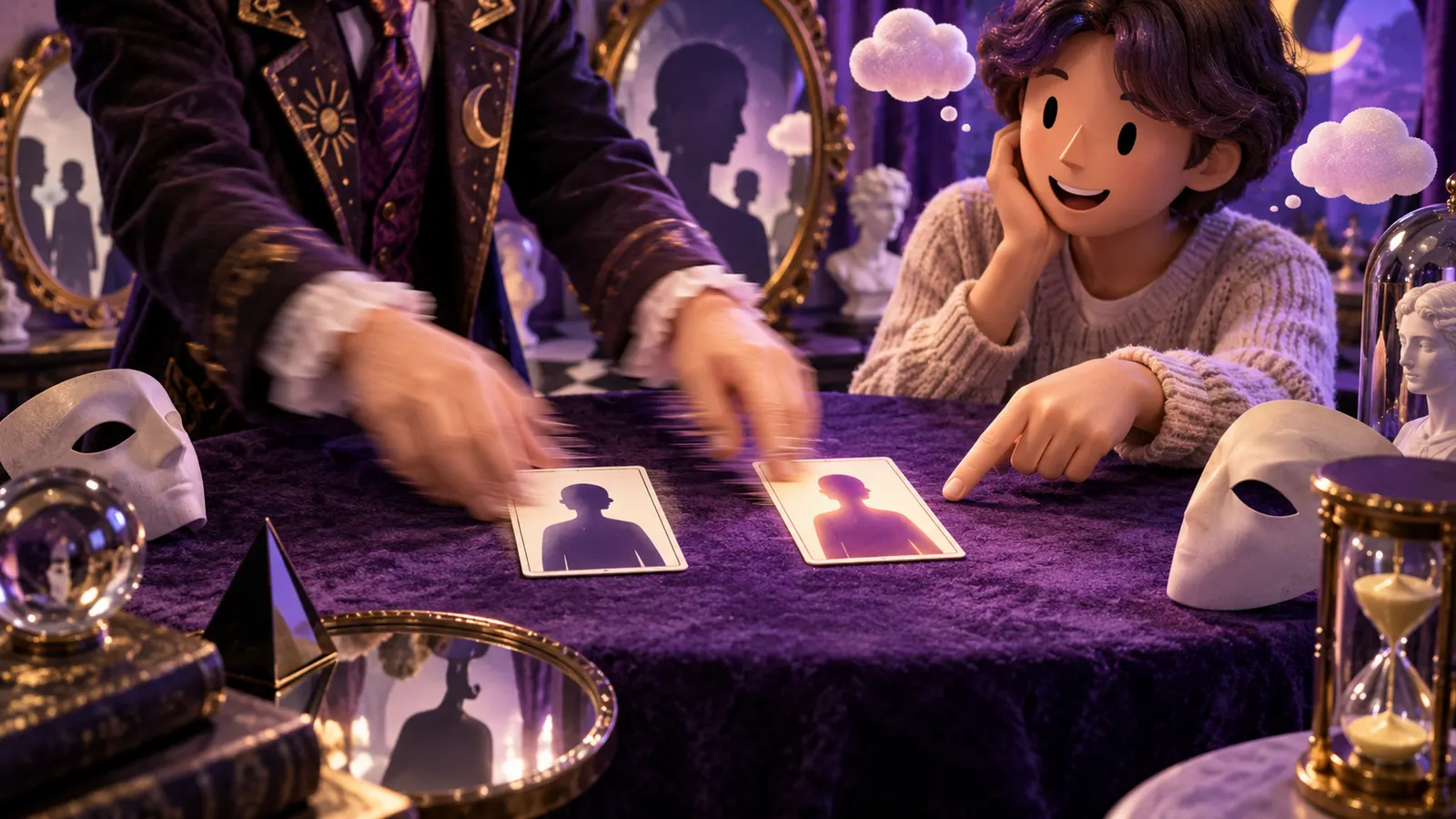
 読む前に予想してみよう!
自分が選んだものがすり替えられたら、人はほぼ必ず気づく
選択盲の実験では、すり替えの多くが見過ごされ、選んでいない方を選んだ理由まで説明する人が多かった。
 研究カード(どんな研究?)
- 対象
- スウェーデンの成人
- 規模
- 約120人
- 研究の種類
- 実験(手品の手法を使った操作)
- 確かさ
- ★★★★☆
好みの顔写真を選んだ直後、手品の技で選ばなかった方にすり替えても、気づけたのは一部だけ。多くの人は"選んでいない顔"を選んだ理由をすらすら説明した。
ひとことで言うと自分で選んだはずのものが入れ替わっても、人はけっこう気づかない!
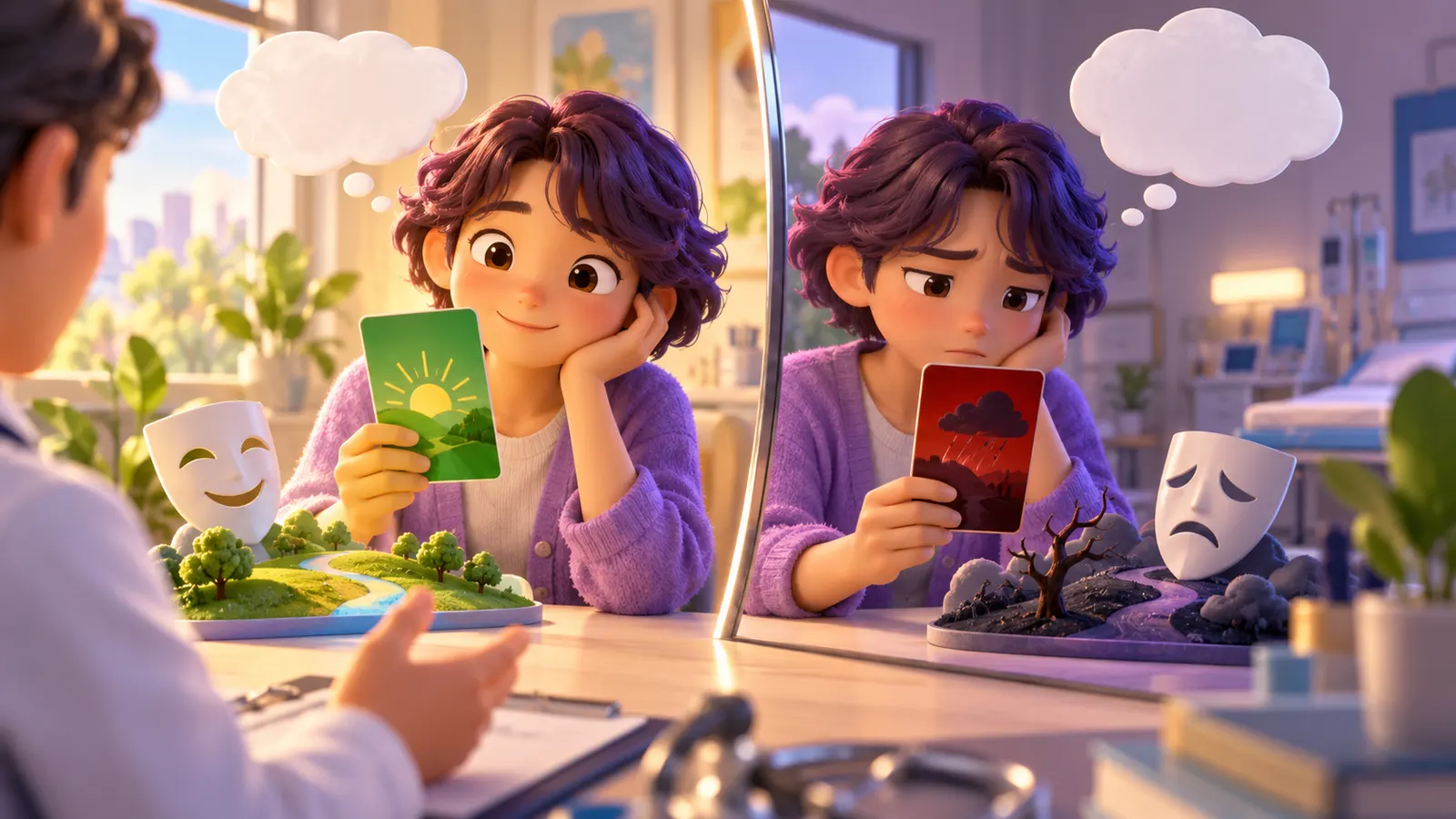
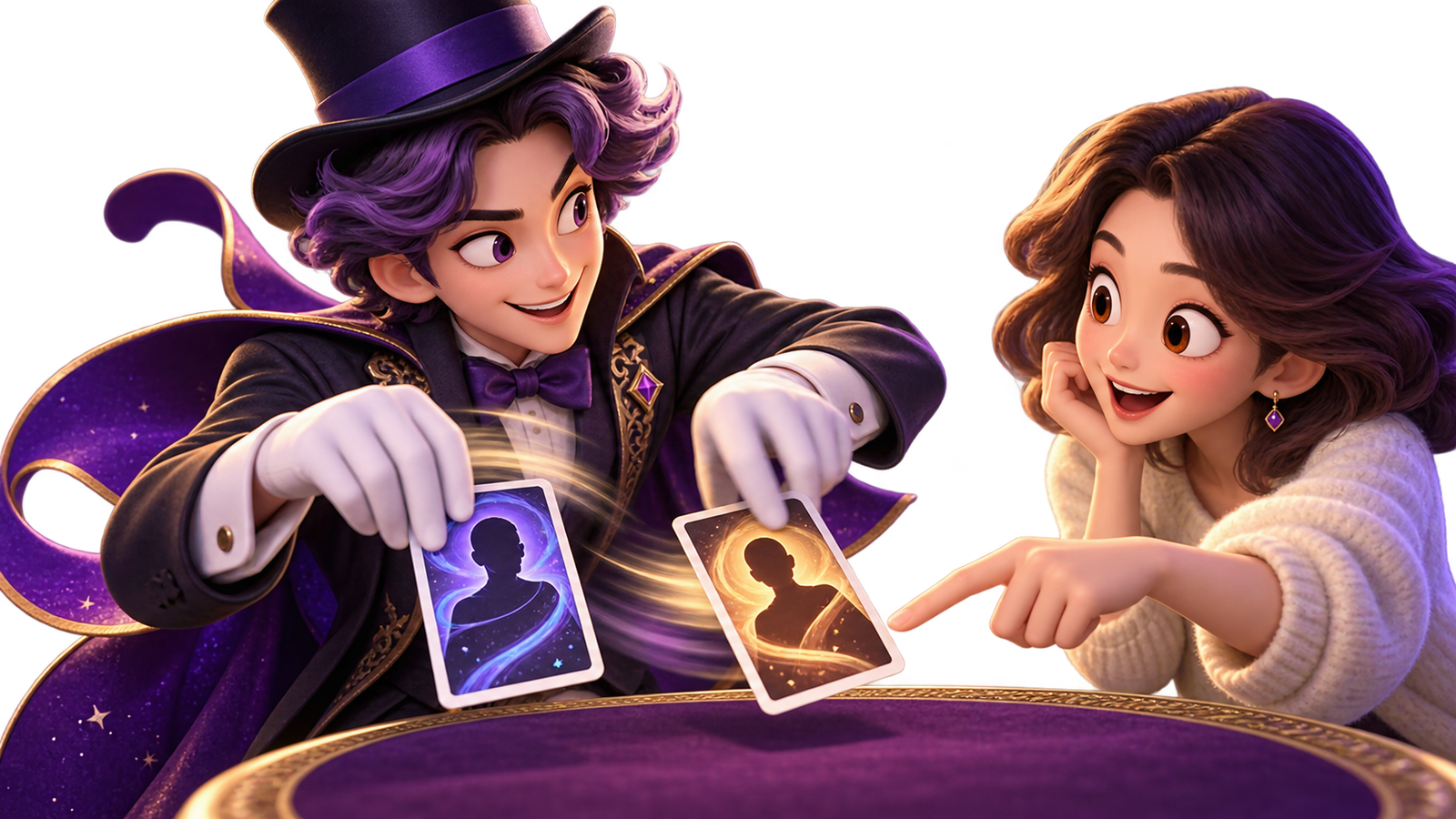
2枚の顔写真のうち「こっちのほうが魅力的」と選んだら、その写真を渡されて「どうしてこちらを選んだんですか?」と聞かれる。
簡単ですよね。でも、もし渡された写真が、あなたが選ばなかったほうだったら? さすがに気づく——と思いますよね。
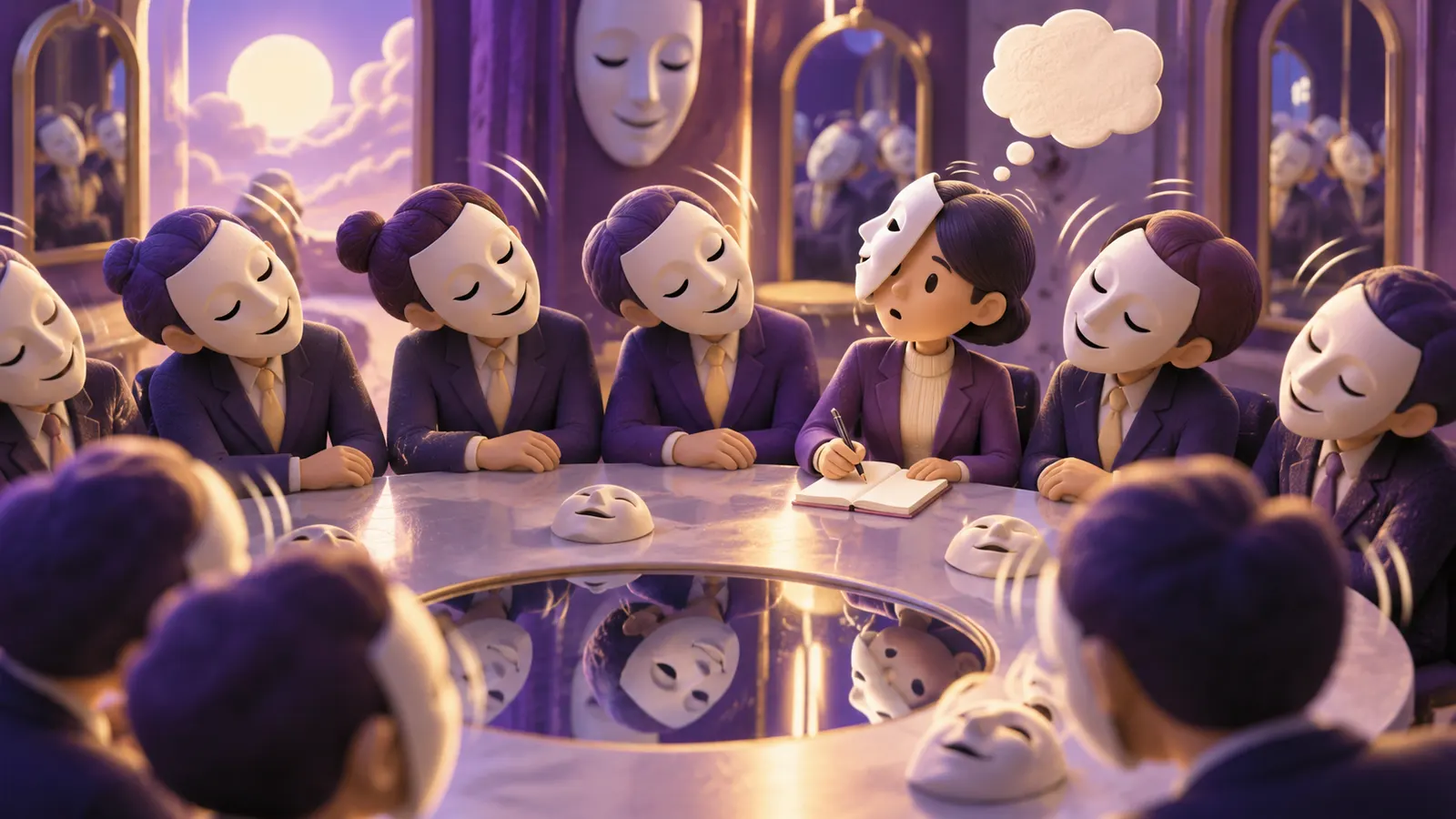
スウェーデンのルンド大学の研究チームが試したところ、多くの人が気づきませんでした。それどころか、選んでもいない顔を選んだ理由を、堂々と語り始めたのです。
01手品の技で、選択をすり替える
なかには、自分が選んだ写真にはなかった特徴(たとえばイヤリング)を「決め手」と語る人もいました。理由は「選ぶ前」にあったのではなく、目の前の写真を見ながら、あとから作られていたのです。
02ジャムでも、政治の意見でも起きた
この「選択盲」は、写真だけの話ではありません。
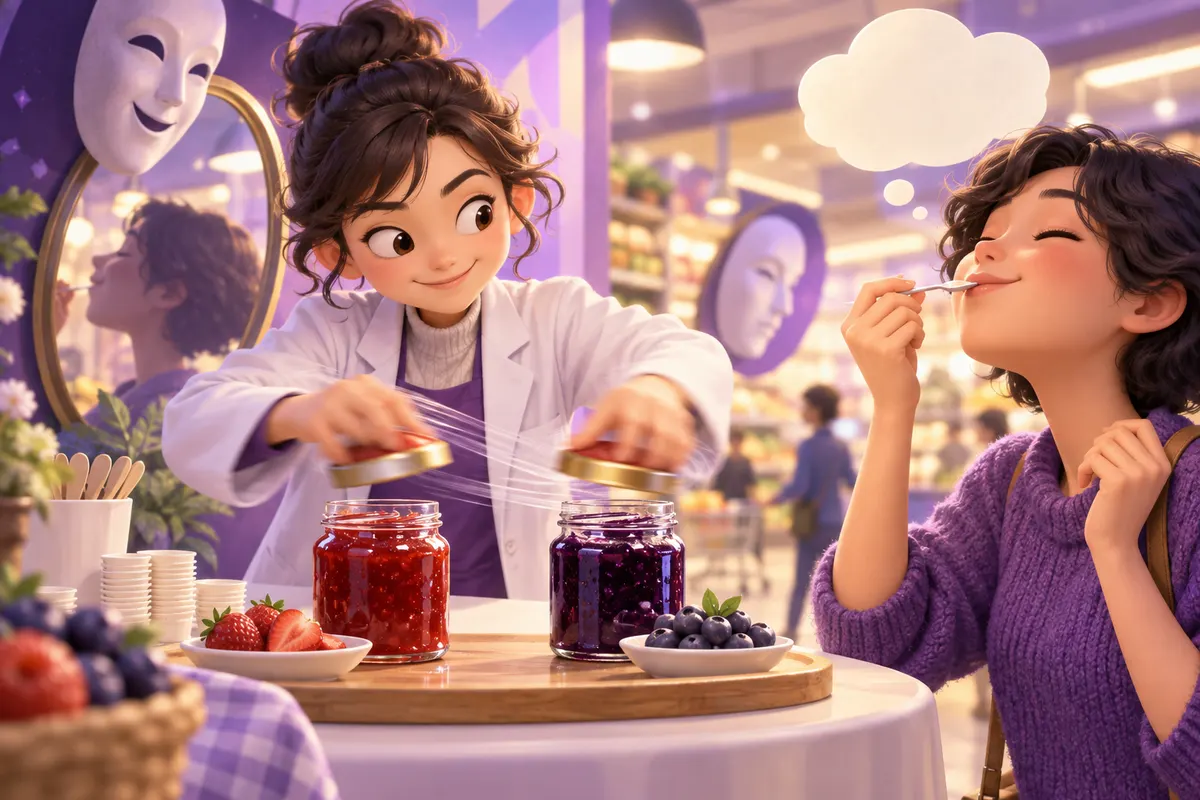
研究チームはスーパーの試食コーナーで、ジャムや紅茶の香りを使った実験もしました。好きな方を選んだあと、中身をこっそり入れ替えた容器で「もう一度どうぞ」。シナモンりんごとグレープフルーツのように味がかなり違う組み合わせでも、すり替えの多くは見過ごされました。
さらに2012年には、道徳的な意見を聞くアンケートで回答をこっそり反対向きに書き換える実験も。すると多くの人が、自分が本当は選んでいない意見を、理由をつけて擁護したのです。
03最新研究のどんでん返し:「本当は気づいていた?」
ただし、話はここで終わりません。
2025年の研究では、参加者の瞳孔の大きさを測りながら選択盲の実験を行いました。すると、すり替えを「気づいた」と言わなかった試行でも、瞳孔は開いていたのです。
研究者たちは、「人は実はうすうす違和感を覚えているのに、報告しないだけの場合がある」と考えています。「間違えたのは自分かも」「わざわざ言うのは気まずい」——そんな心理がブレーキになっている可能性です。
選択盲は「人は自分の選択を全く分かっていない」という極端な話ではなく、気づいても口にしにくいという社会的な面も含んだ現象なのかもしれません。
04まとめ
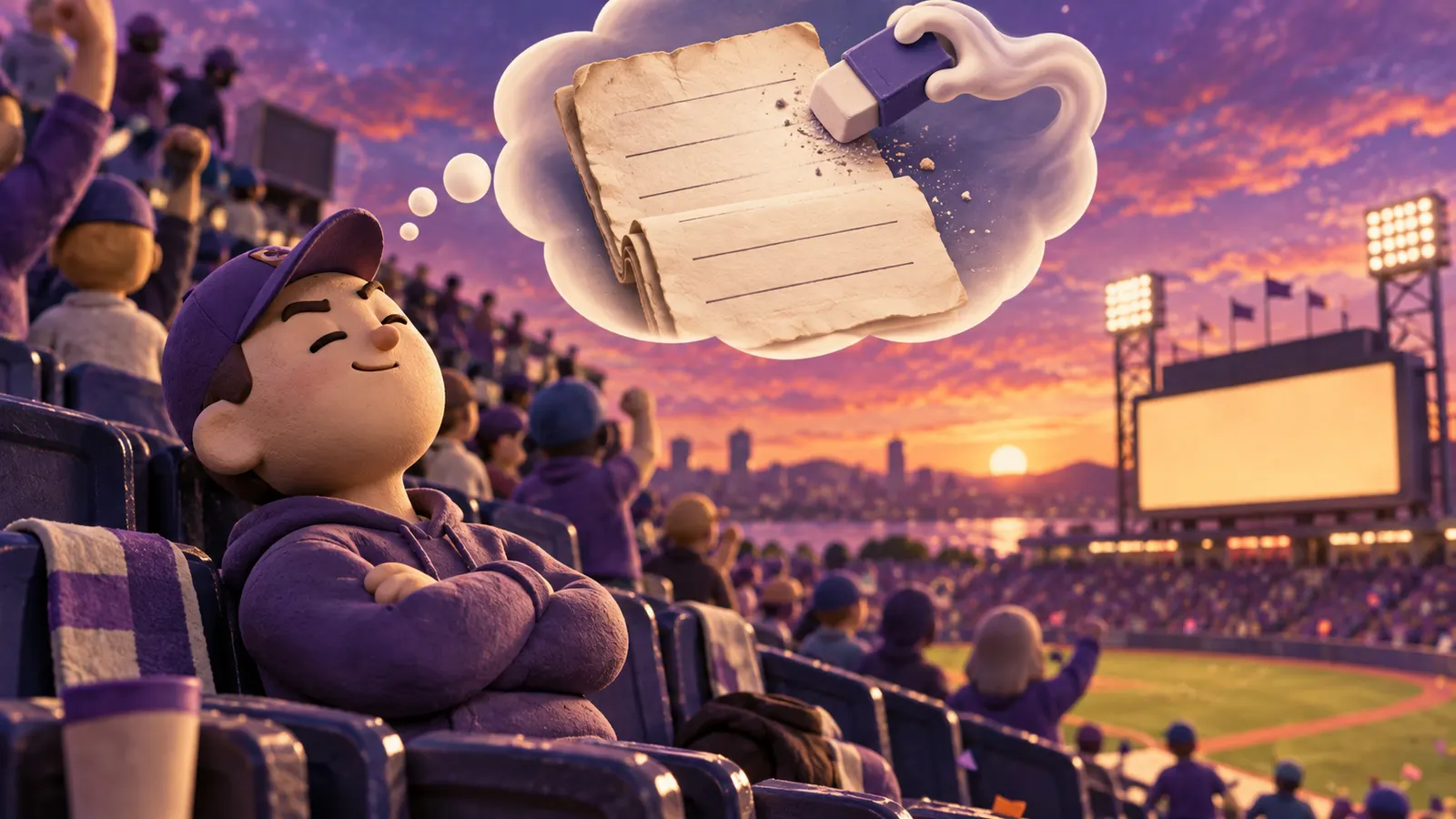
「自分のことは自分がいちばん分かっている」。そう思いたいけれど、私たちの「選んだ理由」は、思ったよりあとづけかもしれません。
だからこそ、選んだ後にもう一度見直す習慣を。そして違和感を口に出す勇気を。それが、知らないうちに"すり替えられた選択"から自分を守る方法です。
この研究を英語で読もう原田英語の English CornerIn a 2005 study in Sweden, researchers showed participants two photos of women's faces and asked them to… 音声
音声 4択クイズ9問A2・B1・B2タップして開く
原田英語の English Corner
この研究を英語で読もう
Scientists in Sweden showed people two photos of faces. Each person chose the face they liked more. Then the scientist used a magic trick and secretly gave them the other photo. Most of these switches were not noticed.
Many people even explained why they liked the face that they did not choose. For example, one man said, "I like earrings!" Our reasons for our choices may be made up later.
70 words ・ CEFR A2
和訳を見る
スウェーデンの科学者たちは、人々に2枚の顔写真を見せました。それぞれの人は、より好きなほうの顔を選びました。すると科学者は手品の技を使って、こっそりもう一方の写真を渡しました。こうしたすり替えのほとんどは気づかれませんでした。多くの人は、自分が選ばなかった顔を好きな理由まで説明しました。
たとえば、「イヤリングが好き!」と言った男性もいました。私たちが選んだ理由は、あとから作られているのかもしれません。
4択リーディングクイズ
Q1. What is the passage mainly about?
選んだ写真がすり替えられても気づかず、理由まで語ったという実験の話なので B。
Q2. What did many people do after the switch?
Many people even explained why they liked the face that they did not choose. とあるので C。
Q3. In this passage, "made up" means ...
make up には「(話や理由を)作り上げる」という意味がある。理由があとから作られたという文脈なので A。
In a 2005 study in Sweden, researchers showed participants two photos of women's faces and asked them to choose the more attractive one. Using a card trick borrowed from magicians, the researcher sometimes handed over the photo that had not been chosen. Only about a quarter of these switches were noticed.
Some participants who missed the switch explained their "choice" by pointing to features of the photo they had not chosen, such as a pair of earrings. The same thing happened in other situations. At a supermarket, people often failed to notice when two very different jams were swapped. In a 2012 survey, many people defended moral opinions they had not actually chosen after their answers were secretly reversed.
119 words ・ CEFR B1
和訳を見る
スウェーデンでの2005年の研究で、研究者たちは参加者に女性の顔写真を2枚見せ、より魅力的なほうを選ぶよう頼みました。手品師から借りたカードの技を使って、研究者はときどき選ばれなかったほうの写真を手渡しました。こうしたすり替えのうち、気づかれたのは約4分の1だけでした。
すり替えに気づかなかった参加者の中には、イヤリングなど、自分が選ばなかった写真の特徴を挙げて自分の「選択」を説明する人もいました。同じことはほかの場面でも起きました。スーパーでは、まったく違う2種類のジャムが入れ替えられても、人々はしばしば気づきませんでした。2012年のアンケートでは、回答がこっそり反対に書き換えられた後、多くの人が実際には選んでいない道徳的な意見を擁護しました。
4択リーディングクイズ
Q1. How often were the photo switches noticed?
Only about a quarter of these switches were noticed. とあるので D。
Q2. What happened in the 2012 survey?
many people defended moral opinions they had not actually chosen after their answers were secretly reversed とあるので A。
Q3. What can we infer from these studies?
選んでいないものの特徴を理由に挙げたことから、理由は選んだ後で作られている可能性があると推論できる。C。
In a 2005 study at Lund University in Sweden, participants looked at pairs of photos of women's faces and picked the more attractive one. The experimenter then handed over the chosen photo and asked why they had picked it. On some trials, though, a sleight-of-hand trick borrowed from magicians swapped in the face they had rejected. Only about a quarter of these switches were detected.
Many participants went on to justify a choice they had never made, sometimes citing features, such as earrings, that appeared only on the rejected photo. Their explanations were broadly similar to those given for genuine choices. That points to reasons being built after the fact. This "choice blindness" has since turned up with jam, tea and even moral opinions on a secretly altered survey.
How often people notice varies a lot with the details of each experiment, such as the task and the materials, and researchers disagree about whether the effect reflects a failure to detect or a reluctance to report. A 2025 study measured participants' pupils. On switched trials the pupils widened even when people reported nothing, so some may sense the change and keep quiet, perhaps out of embarrassment or self-doubt.
198 words ・ CEFR B2
和訳を見る
スウェーデンのルンド大学での2005年の研究で、参加者は女性の顔写真を2枚ずつ見て、より魅力的なほうを選びました。その後、実験者は選ばれた写真を手渡し、なぜそれを選んだのかを尋ねました。ところが一部の試行では、手品師から借りた早業で、選ばなかったほうの顔にすり替えられていました。こうしたすり替えのうち、見破られたのは約4分の1だけでした。
多くの参加者は、自分がしていない選択を正当化し、ときには選ばなかった写真にしかないイヤリングなどの特徴を挙げました。その説明は、本当に選んだときの説明とおおむね似ていました。このことは、理由が後から組み立てられていることを示唆しています。この「選択盲」はその後、ジャムや紅茶、さらにはこっそり書き換えられたアンケートの道徳的な意見でも見られました。どれくらいの頻度で気づくかは、課題や使う材料など実験ごとの条件によって大きく変わり、この効果が「検出の失敗」なのか「報告をためらうこと」なのかについて、研究者の意見は分かれています。
2025年の研究は、参加者の瞳孔を測定しました。すり替えられた試行では、何も報告しなかった場合でも瞳孔が広がっていました。つまり、変化を感じていても、おそらく気まずさや自信のなさから黙っている人がいるのかもしれません。
4択リーディングクイズ
Q1. Why does the author say reasons are "built after the fact"?
Their explanations were broadly similar to those given for genuine choices. That points to reasons being built after the fact. とあるので B。
Q2. What did the 2025 study find?
On switched trials the pupils widened even when people reported nothing とあるので A。
Q3. What do researchers disagree about, according to the passage?
researchers disagree about whether the effect reflects a failure to detect or a reluctance to report とあるので D。
重要単語
- choice blindnessC1名詞(句)選択盲Choice blindness shows how little we know about our own choices.
 blindness は「見えないこと」。inattentional blindness(非注意性盲目)など、心理学の「~盲」はこの形。
 - manipulationC1名詞(実験の)操作・巧みな操作The manipulation was hidden by a card trick. manipulate は「巧みに操る」。日常では「人を操る」という悪い意味が多いが、実験では中立的な「操作」。
- confabulateC1動詞作話する(もっともらしい理由を作る)People confabulated reasons for choices they never made. うそをつくつもりはなく、本人も信じて話を作ってしまうこと。名詞 confabulation。
- introspectionC1名詞内省Introspection is not always reliable. intro-(内へ)+spect(見る)。inspect, spectator と同じ spect。
- preferenceB1名詞好みOur preferences can change after a choice. prefer A to B「BよりAを好む」の名詞形。have a preference for ~「~のほうを好む」。
- justifyB2動詞正当化するMany people justified a choice they never made. just(正しい)+-ify(~にする)。名詞 justification。The end justifies the means.「目的は手段を正当化する」。
- sleight of handC1名詞(句)手品の早業The researcher switched the photos by sleight of hand. sleight は「巧妙さ」で、slight(わずかな)と同じ発音 /slaɪt/。比喩で「ごまかし」の意味もある。
 入試に出る順の単語帳を印刷する →
 全5561語の「科学英単語カード」で復習する →
 動画でもっと知る
動画は各チャンネルの公式埋め込みで表示しています(YouTube)。
この話題を TED で聞く
同じテーマの TED・TED-Ed を、 TED HACK で。英語の見どころ・使える表現・学習ミッションつきの日本語ガイドです。(運営:原田英語)

 公式・一次情報をチェック
 4コマでわかる
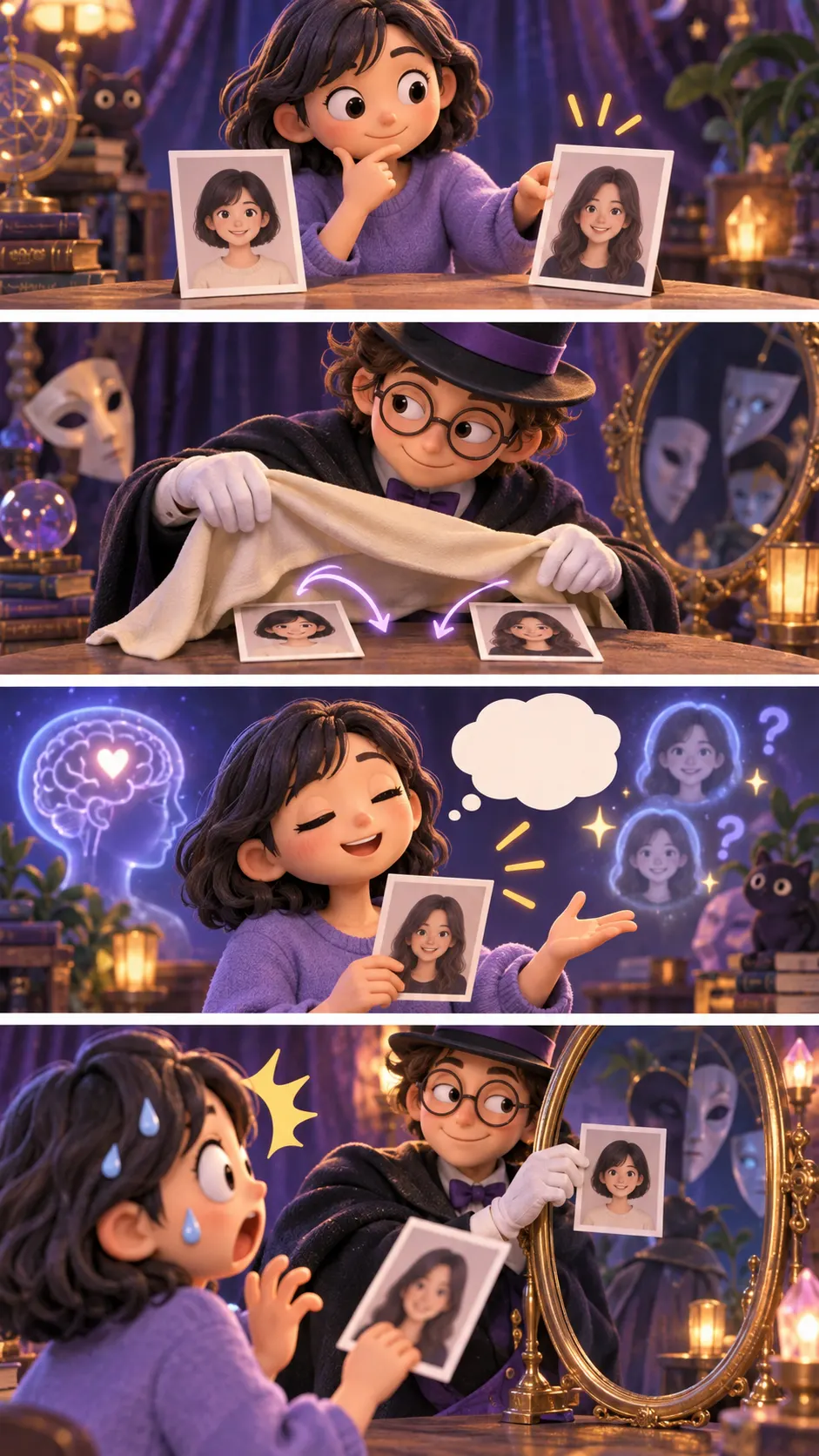
このネタ、誰かに教えたくなった?
2枚の顔写真から好きな方を選んでもらい、手品のテクで"選ばなかった方"を渡す実験。気づけたのは一部だけで、多くの人は選んでもいない顔を選んだ理由まで語ったらしい。自分の「好み」、案外あやふや。
押すと「マジかリスト」に保存されます
 出典・参考文献(4件)タップで表示
- Johansson, Hall, Sikström & Olsson (2005) Failure to detect mismatches between intention and outcome in a simple decision task, Sciencedoi.org
- Hall et al. (2010) Magic at the marketplace: Choice blindness for the taste of jam and the smell of tea, Cognitiondoi.org
- Hall, Johansson & Strandberg (2012) Lifting the veil of morality: Choice blindness and attitude reversals on a self-transforming survey, PLoS ONEdoi.org
- Grassi et al. (2025) Restoring sight in choice blindness: pupillometry and behavioral evidence of covert detection, Frontiers in Psychologydoi.org

※本記事は上記の研究・公開資料をもとに、原田英語が独自の言葉で解説したものです。引用は著作権法第32条の範囲で行い、出典を明記しています。画像はすべてオリジナルのイメージです。研究結果には限界や個人差があります。誤りのご指摘は原田英語のお問い合わせフォームから。