語学・英語学習ホント
英語を聞くだけでぐったり…その「リスニング疲れ」、語彙力が低いほど強かった
 2026.10.02
 English Corner(A2〜B2・4択クイズ)
 読む前に予想してみよう!
この研究では、英語をたくさん使う人ほど、語彙力に関係なく聞き疲れが強かった
使用量が多いと疲れが増えるのは、語彙力が低い人、または自己評価の熟達度が低〜中程度の人に限られていた。
 研究カード(どんな研究?)
- 対象
- 英語を第2言語とする成人(+英語母語話者の比較群)
- 規模
- 256人
- 研究の種類
- 横断調査(事前登録あり)
- 確かさ
- ★★★☆☆
英語を第2言語として使う256人を調査。語彙力や自信が低い人ほど、英語を多く使うと「聞き疲れ」が強かった。母語が英語から遠い人ほど疲れやすい傾向も。
ひとことで言うと英語を聞いて疲れるのは、言葉の力がまだ育ち中だからかも!
英語の授業を1時間受けたあと、なぜか体育のあとみたいにぐったりしている。留学生や海外で働く人の間でも「英語漬けの日は夜にどっと疲れる」とよく言われます。
この「聞き疲れ」の正体に迫る研究が、2026年9月、心理学の学術誌『Psychonomic Bulletin & Review』に発表されました。英国のリーズ大学とヨーク大学のチームが、英語を第2言語として使う256人を調べたところ、カギを握っていたのは語彙力と熟達度でした。
01「聞き疲れ」は気のせいじゃない
第2言語を聞くときは、雑音のある環境で特に聞き取りが落ちやすい(「非母語話者の雑音下の不利」)ことが知られています(Lecumberri et al., 2010)。また、母語より多くの脳の資源を使うことも示されてきました。
では、それが毎日続くと? 研究チームが注目したのは、日常生活の中で感じる「聞くことによる強い疲労感」です。
02母語が英語から「遠い」人ほど疲れやすい
まず、英語と別の語族が母語の人は、同じ語族の人よりも聞き疲れが強いと答えていました(英語母語話者との差は統計的に有意ではありませんでした)。
ちなみに日本語も、インド・ヨーロッパ語族ではありません。日本人の「英語疲れ」も、他人事ではなさそうです(ただし、この研究に日本語話者が含まれていたかは分かりません)。
03カギは「語彙力」だった
さらに分析すると、
- 自己評価の熟達度と語彙テストの得点が、聞き疲れを強く予測していた
- 英語を使う量が多いほど疲れが増えるのは、熟達度が低め〜中くらい、または語彙が少ない人だけだった
そして、「語族の違いによる疲れやすさの差」は、熟達度や語彙力の差でほぼ説明できることも示されました。つまり、母語が遠いこと自体より、その結果として語彙力や自信がまだ追いついていないことが、疲れの大きな原因だった可能性があるのです。

04英語学習者へのヒント
この結果は、「英語をたくさん聞けば聞くほど疲れる」のではなく、語彙力が上がると、たくさん聞いても疲れにくくなる可能性を示しています。
05まとめ
英語を聞いてぐったりするのは、あなたが弱いからではなく、脳がフル回転している証拠。そしてその負担は、語彙力という「装備」で軽くできる可能性があります。雑音の中での聞き取りについてはこちらの記事もどうぞ。
この研究を英語で読もう原田英語の English CornerMany people who study or work in English say they feel exhausted at the end of the day. 音声
音声 4択クイズ9問A2・B1・B2タップして開く
原田英語の English Corner
この研究を英語で読もう
Do you feel very tired after listening to English for a long time? Researchers in the UK studied 256 people who use English as a second language. People who spoke languages far from English felt more tired.
But vocabulary mattered most. People who used English a lot were more tired only if they knew fewer words. So learning more words may make listening easier and less tiring.
67 words ・ CEFR A2
和訳を見る
長い時間英語を聞いたあと、とても疲れを感じますか。イギリスの研究者たちは、英語を第2言語として使う256人を調べました。英語から遠い言語を話す人ほど、より疲れを感じていました。
しかし、最も強く関係していたのは語彙でした。英語をたくさん使う人が余計に疲れていたのは、知っている単語が少ない人だけでした。だから、単語をもっと覚えると、聞くことが楽になり、疲れにくくなるかもしれません。
4択リーディングクイズ
Q1. What is the passage mainly about?
英語を聞いて疲れる理由(特に語彙力)についての研究なので A が正解。
Q2. Who was more tired when they used English a lot?
People who used English a lot were more tired only if they knew fewer words とあるので C。
Q3. In this passage, "tiring" is closest in meaning to ...
tiring は「疲れさせる」。tired(疲れた)と区別しよう。正解は D。
Many people who study or work in English say they feel exhausted at the end of the day. Researchers at the Universities of Leeds and York in the UK investigated this "listening fatigue" in 256 people who use English as a second language. About half spoke a first language related to English, such as Italian, while the others spoke languages from different families, such as Vietnamese. The second group reported stronger fatigue.
However, this difference was mostly explained by vocabulary size and how skilled people felt they were. In addition, using English more often was linked to more fatigue only for people with lower vocabulary or lower proficiency. Building vocabulary, therefore, may help reduce the burden of listening.
118 words ・ CEFR B1
和訳を見る
英語で勉強したり働いたりする多くの人が、一日の終わりにはぐったりすると言います。イギリスのリーズ大学とヨーク大学の研究者たちは、英語を第2言語として使う256人を対象に、この「聞き疲れ」を調べました。約半数はイタリア語のように英語と関係のある言語を母語とし、残りはベトナム語のように別の語族の言語を母語としていました。後者のグループの方が強い疲れを報告しました。
しかし、この差は主に語彙の量と、自分がどれくらい上手だと感じているかによって説明されました。さらに、英語を使う頻度が高いことと疲れの強さが結びついていたのは、語彙が少ない人や熟達度が低い人だけでした。したがって、語彙を増やすことは、聞くことの負担を減らす助けになるかもしれません。
4択リーディングクイズ
Q1. What did the researchers study?
investigated this "listening fatigue" in 256 people who use English as a second language とあるので C。
Q2. Which group reported stronger fatigue?
ベトナム語など別の語族を母語とする人について The second group reported stronger fatigue. とあるので D。
Q3. What does the writer suggest at the end?
最終文 Building vocabulary ... may help reduce the burden of listening から B。
Following a conversation in a second language takes more mental effort than following one in your native tongue, especially in a noisy room. Researchers from the Universities of Leeds and York wanted to know whether that effort adds up to everyday fatigue. Their preregistered study, published in Psychonomic Bulletin & Review, surveyed 256 adults who use English as a second language.
For 126 of them, the first language, such as Italian, belongs to the same Indo-European family as English. For the other 130, it does not, as with Vietnamese. English monolinguals served as a comparison group. The non-Indo-European speakers reported more listening-related fatigue than the Indo-European speakers. Exploratory analysis, though, traced most of that gap to two things, self-rated proficiency and scores on an objective vocabulary test.
So the distance between two languages may count for less than the skills a learner has built. The survey captured a single point in time and relied on self-reported fatigue, so it cannot show that learning more words would make listening less tiring. The daily-use data point the same way. Using English more each day went with greater fatigue only among people with low-to-moderate proficiency or smaller vocabularies.
195 words ・ CEFR B2
和訳を見る
第2言語で会話についていくには、母語の場合よりも多くの頭の努力が必要です。騒がしい部屋ではなおさらです。リーズ大学とヨーク大学の研究者たちは、その努力が積み重なって日常の疲労になるのかを知ろうとしました。
『Psychonomic Bulletin & Review』に発表された彼らの事前登録済みの研究は、英語を第2言語として使う成人256人を調査しました。そのうち126人は、イタリア語のように、母語が英語と同じインド・ヨーロッパ語族に属しています。残りの130人は、ベトナム語のように、そうではありません。英語だけを話す人たちが比較グループとされました。インド・ヨーロッパ語族以外の話者は、インド・ヨーロッパ語族の話者より、聞くことによる疲労を強く報告しました。しかし探索的な分析では、その差の大部分は、自己評価の熟達度と客観的な語彙テストの得点という2つの要因で説明できました。
つまり、2つの言語の距離は、学習者が身につけてきた力ほどには重要でないのかもしれません。この調査はある一時点をとらえたもので、疲労も自己申告に頼っているため、単語を多く覚えれば聞くことが楽になると示すことはできません。日々の使用量のデータも同じ方向を指しています。英語を毎日多く使うことが疲労の増加と結びついていたのは、熟達度が低〜中程度の人や語彙が少ない人だけでした。
4択リーディングクイズ
Q1. What is the main finding of the study?
語族による差も熟達度と語彙で説明でき、使用量の影響も語彙・熟達度で左右された、という内容なので B。
Q2. For whom was greater daily use of English linked to more fatigue?
only among people with low-to-moderate proficiency or smaller vocabularies とあるので A。
Q3. Why does the author say the study cannot show that learning more words would make listening less tiring?
The survey captured a single point in time and relied on self-reported fatigue とあるので C。一時点の調査なので因果は確かめられない。
重要単語
- fatigueB2名詞疲労Listening in a noisy room can cause fatigue.
 発音は /fəˈtiːɡ/(ファティーグ)。listening-related fatigue のようにハイフンで「~に関連した」を作る。
 - proficiencyC1名詞熟達度、上達の度合いHer English proficiency improved quickly. 形容詞 proficient(熟達した)。be proficient in ~「~に堪能な」。英語の試験名にも使われる。
- effortfulC1形容詞努力を要する、骨の折れるListening to a new language is effortful. effort+-ful。対になる effortless(楽々とした)の方が入試ではよく見る。
- moderateB2動詞・形容詞(関係の強さを)左右する/中くらいのVocabulary size moderated the effect. 形容詞は「適度な、中くらいの」(moderate exercise)。動詞は研究で「影響の強さを調整する」。発音が品詞で変わる(形容詞 -rət/動詞 -reɪt)。
- predictorC1名詞予測因子Sleep is a strong predictor of mood. predict(予測する)の名詞形。pre-(前もって)+dict(言う)。dictionary と同じ語根。
- vocabularyB1名詞語彙A larger vocabulary makes listening easier. 数えるときは a large vocabulary(語彙が豊富)。× many vocabularies とは言わない点に注意。
 入試に出る順の単語帳を印刷する →
 全5561語の「科学英単語カード」で復習する →
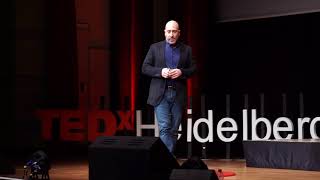
 この話題を TED で聞く
同じテーマの TED・TED-Ed を、 TED HACK で。英語の見どころ・使える表現・学習ミッションつきの日本語ガイドです。(運営:原田英語)

 公式・一次情報をチェック
このネタ、誰かに教えたくなった?
英語を第2言語で使う256人を調べたら、英語を聞く量が多いほど「聞き疲れ」が強くなるのは、語彙力や自信が低い人だけだったらしい。母語が英語から遠い人ほど疲れやすかったけど、その差も語彙力や自己評価の熟達度でほぼ説明できたとか。単語、大事。
押すと「マジかリスト」に保存されます
 出典・参考文献(3件)タップで表示
- McGarrigle, Havelka & de Bruin (2026) Language proficiency drives listening-related fatigue in those who communicate in English as their second language, Psychonomic Bulletin & Reviewdoi.org
- Lecumberri, Cooke & Cutler (2010) Non-native speech perception in adverse conditions: A review, Speech Communicationdoi.org
- Hornsby et al. (2016) A Taxonomy of Fatigue Concepts and Their Relation to Hearing Loss, Ear and Hearingdoi.org

※本記事は上記の研究・公開資料をもとに、原田英語が独自の言葉で解説したものです。引用は著作権法第32条の範囲で行い、出典を明記しています。画像はすべてオリジナルのイメージです。研究結果には限界や個人差があります。誤りのご指摘は原田英語のお問い合わせフォームから。