

 語学・英語学習ビミョー
「果物の英単語」をまとめて覚えるのは逆効果? 仲間の単語ほど頭の中で混ざってしまう研究
 2026.10.02
 English Corner(A2〜B2・4択クイズ)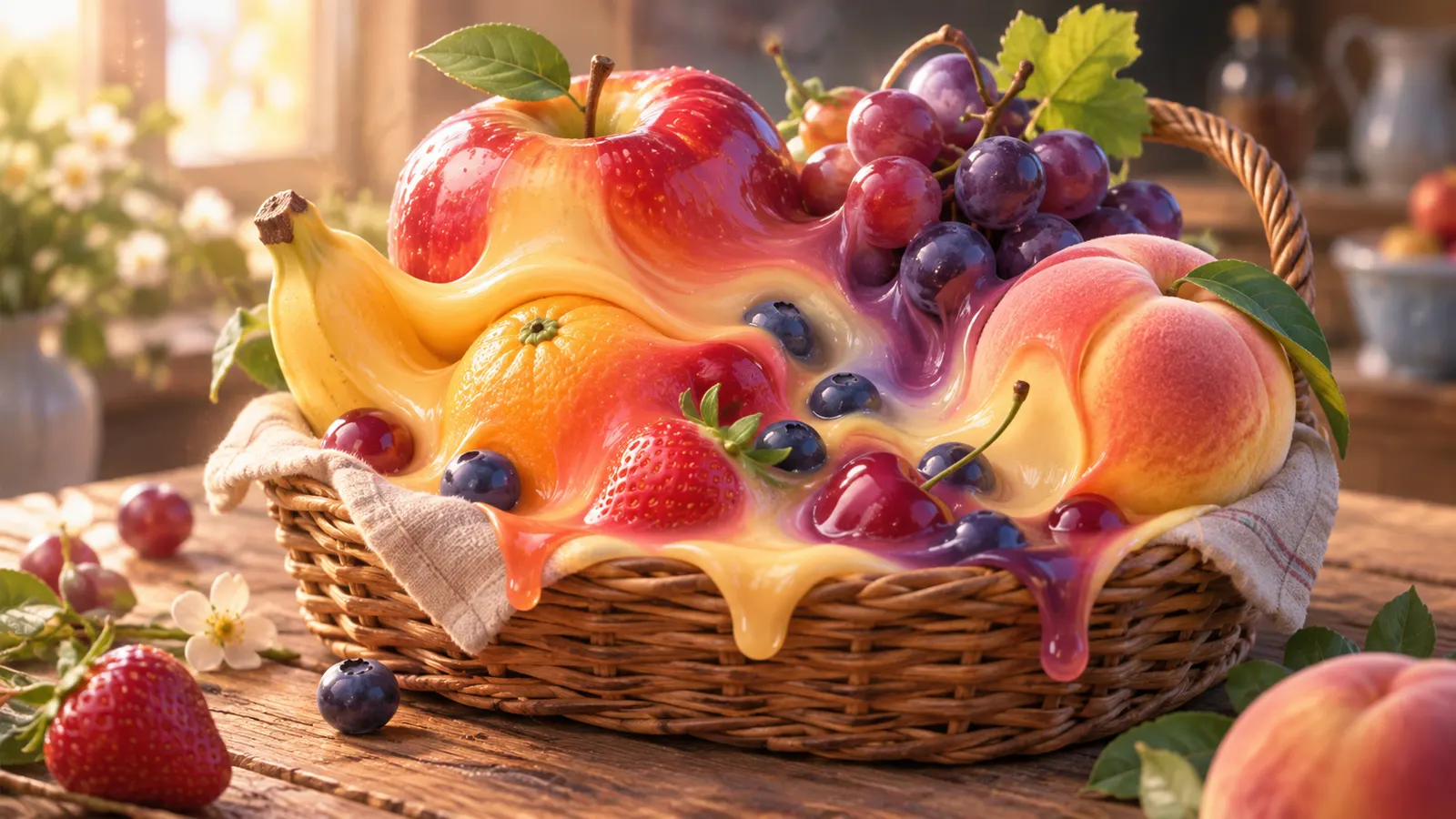
 読む前に予想してみよう!
意味の似た新しい単語(例:色の名前)を同時に覚えると、取り違えが起きやすくなる
意味の近い単語どうしが記憶の中で干渉し合い、取り違えのミスが増えることが報告されている。
 研究カード(どんな研究?)
- 対象
- 英語学習者(日本人大学生133人など)
- 規模
- 数十〜100人規模×複数研究
- 研究の種類
- 実験研究
- 確かさ
- ★★★☆☆
似た意味の単語を一度にまとめて覚えると、混ざって間違えやすくなるという研究がある。2018年の研究では覚えた量に有意な差はなかったが、取り違えのミスはやはり増えた。
ひとことで言うと似た仲間の単語をいっしょに覚えると、ごちゃまぜになりやすい!
英単語帳を開くと、「果物」「体の部位」「色」「曜日」のように、意味の仲間ごとに単語が並んでいるページがよくあります。
整理されていて覚えやすそう……と思いますよね。ところが、研究者たちは何十年も前から「新しい単語を意味の仲間でまとめると、かえって覚えにくい」と指摘してきました。
01似た単語は「頭の中でぶつかる」
なぜでしょうか。心理学では、似た情報どうしは記憶の中で干渉し合うことが知られています。「apple」「peach」「pear」を同時に覚えると、どれがどの意味だったかごちゃまぜになりやすいのです。
日本語でも、「右と左」「東と西」のような対になった言葉は、うっかり取り違えやすいですよね。
トルコの研究(エルテンとテキン、2008年)でも、小学生の英語学習者で意味のセットで習った単語のほうが成績が低かったと報告されています。
02どんでん返し:2018年の研究では「覚えた量」に有意な差がなかった
ところが、話はここで終わりません。
つまり、「仲間でまとめると覚えられる量が大きく減る」という強い主張は、条件をそろえるとはっきりしなかった。でも、混同のミスが増えるという点は確かめられたのです。
さらに意外なことに、学習を時間的に分散させる効果は、関連した単語より、関連のない単語のほうで大きかった。「似た単語は分散させれば混ざらない」という単純な話でもなさそうです。

03「テーマ」でまとめるのはアリ
研究者たちがすすめるのは、意味の仲間(semantic)ではなく、場面・話題(thematic)でまとめる方法です。
例えば「カエル」がテーマなら、frog(名詞)、green(形容詞)、hop(動詞)、pond(名詞)。品詞も意味もバラバラで、混ざりにくいうえに、一つのストーリーとしてつながります。
04まとめ
似た意味の単語を最初から一気にまとめて覚えると、取り違えが起きやすくなります。ただし、覚える量が大きく減るかどうかは、2018年の研究では、はっきりしませんでした。
おすすめは、新しい単語は場面でまとめ、似た単語は一度に覚える数をしぼること。仲間別のページは「覚えた後の整理用」に使いましょう。
この研究を英語で読もう原田英語の English CornerVocabulary books often group words by meaning, such as fruits or parts of the body. 音声
音声 4択クイズ9問A2・B1・B2タップして開く
原田英語の English Corner
この研究を英語で読もう
Many word books put similar words together, like fruits or colors. This looks easy to study. But research shows that similar new words can get mixed up in your head.
For example, if you learn "peach" and "pear" at the same time, you may confuse them. In a 2018 study, 133 Japanese university students learned English words. They made more mix-up mistakes with similar words. So learn new words by situation, like "at the airport."
75 words ・ CEFR A2
和訳を見る
多くの単語帳は、果物や色のように似た単語をまとめて並べています。これは勉強しやすそうに見えます。しかし研究によると、似た新しい単語は頭の中で混ざってしまうことがあります。
たとえば「peach」と「pear」を同時に覚えると、2つを取り違えるかもしれません。2018年のある研究で、日本人大学生133人が英単語を覚えました。彼らは、似た単語どうしで取り違えのミスを多くしました。だから新しい単語は、「空港で」のような場面ごとに覚えましょう。
4択リーディングクイズ
Q1. What is the passage mainly about?
似た新しい単語を一緒に覚えると混ざりやすい、という内容が中心なので B。
Q2. How many students took part in the 2018 study?
133 Japanese university students learned English words とあるので D。
Q3. In this passage, "confuse" means ...
peach と pear を「取り違える」という意味なので B。confuse A with B「A を B と混同する」。
Vocabulary books often group words by meaning, such as fruits or parts of the body. However, researchers have warned for decades that learning new words in such groups can make them harder to learn. In 1993, Tinkham found that sets of related words took longer to learn than sets of unrelated words, and a later study with Japanese learners reported the same result.
The reason is interference. Similar memories compete with each other. A careful 2018 study of 133 Japanese university students, however, found no significant difference in the number of words learned. Even so, students made more mix-up errors with related words. Researchers therefore suggest grouping new words by theme instead, for example "frog," "green," "hop" and "pond," which are different kinds of words.
125 words ・ CEFR B1
和訳を見る
単語帳はよく、果物や体の部位のように意味ごとに単語をまとめています。しかし研究者たちは何十年も前から、新しい単語をそうしたグループで覚えると、かえって覚えにくくなりうると警告してきました。1993年、ティンカムは、関連した単語のセットのほうが関連のない単語のセットよりも覚えるのに時間がかかることを見いだし、その後の日本人学習者を対象にした研究でも同じ結果が報告されました。
その理由は干渉です。似た記憶どうしが互いに競合するのです。しかし、日本人大学生133人を対象にした2018年の慎重な研究では、覚えた単語の数に有意な差は見られませんでした。それでも、学生たちは関連した単語でより多くの取り違えのミスをしました。そのため研究者たちは、代わりに新しい単語をテーマでまとめることを提案しています。たとえば「frog」「green」「hop」「pond」のように、種類の違う単語を組み合わせるのです。
4択リーディングクイズ
Q1. What did Tinkham find in 1993?
sets of related words took longer to learn than sets of unrelated words とあるので D。
Q2. What did the 2018 study find?
found no significant difference in the number of words learned. Even so, students made more mix-up errors with related words とあるので B。
Q3. Why are "frog," "green," "hop" and "pond" a good example for learners?
which are different kinds of words とあり、テーマは共通でも品詞や意味が異なるので混ざりにくい。正解は C。
Vocabulary books often teach words in semantic sets, a page of fruits followed by a page of colors. Research since the 1990s has been less kind to the idea. Tinkham reported in 1993 that semantically related sets took more learning trials than unrelated ones. Waring found the same pattern with Japanese learners in 1997, and a 2008 Turkish study of young learners also found lower scores for words presented in semantic sets.
The standard explanation is interference. Similar items stored together compete when the learner tries to recall one. Nakata and Suzuki ran a more rigorous test. They controlled for factors such as word properties, which earlier studies had not separated, and taught 48 word pairs to 133 Japanese university students.
Total learning showed no significant difference between related and unrelated words. Interference errors, in which a learner gave one related word for another, were still more frequent in the related sets. Spacing the practice, unexpectedly, helped unrelated words more than related ones.
So clustering may not cut much from how many words are learned, but it does add confusion. A safer option is to group words by theme, mixing nouns, verbs and adjectives around one scene.
197 words ・ CEFR B2
和訳を見る
単語帳は、果物のページの次に色のページ、というように、単語を意味のセットで教えることがよくあります。1990年代以降の研究は、この考えにあまり好意的ではありませんでした。ティンカムは1993年、意味的に関連したセットは関連のないセットより多くの学習試行を必要とすると報告しました。ウェアリングは1997年に日本人学習者で同じパターンを確認し、2008年のトルコの子どもの学習者を対象とした研究でも、意味のセットで提示された単語の成績が低くなりました。
よくある説明は干渉です。似た項目を一緒に記憶すると、そのうちの1つを思い出そうとするときに互いに競合するのです。中田と鈴木は、より厳密な検証を行いました。先行研究が切り分けていなかった単語の特性などの要因を統制し、日本人大学生133人に48組の単語ペアを教えたのです。
全体の学習量では、関連した単語と関連のない単語に有意な差はありませんでした。ただし、関連した単語の一方を別の単語と取り違える干渉エラーは、関連したセットのほうがやはり多く見られました。予想外なことに、練習を分散させると、関連した単語より関連のない単語のほうに効果がありました。
つまり、意味によるまとめ方は覚えられる単語の数をあまり減らさないかもしれませんが、混同は確かに増やします。より安全なのは、1つの場面を中心に名詞・動詞・形容詞を混ぜて、単語をテーマでまとめるやり方です。
4択リーディングクイズ
Q1. What is the main conclusion of the passage?
clustering may not cut much from how many words are learned, but it does add confusion とあるので B。
Q2. How did Nakata and Suzuki's study differ from earlier research?
They controlled for factors such as word properties, which earlier studies had not separated とあり、より厳密な点が違いなので D。
Q3. Why does the author call the spacing result "unexpected"?
混ざりやすい関連語こそ分散が効きそうなのに、実際は helped unrelated words more than related ones だったため予想外だった。正解は A。
重要単語
- interferenceC1名詞干渉(記憶どうしのじゃま合い)Similar words cause interference.
 動詞 interfere with ~「~をじゃまする」。記憶研究の基本概念で、似た情報ほど互いの想起を妨げる。
 - semanticC1形容詞意味のThese words belong to the same semantic group. semantics「意味論」。semantic clustering は「意味のまとまりでグループ化すること」。thematic(テーマの)と区別。
- clusterB2名詞・動詞かたまり・集団(になる)Avoid learning new words in tight clusters. a cluster of ~「~の集まり」。感染症ニュースの「クラスター」と同じ語。
- confuseB1動詞混同するI often confuse "borrow" and "lend." confuse A with B「A を B と混同する」。形容詞 confused(混乱した)と confusing(ややこしい)の区別も頻出。
- themeB1名詞テーマ・話題Group new words around a theme, like the airport. 発音は /θiːm/(スィーム)で「テーマ」ではない。形容詞 thematic。
- replicateC1動詞(研究結果を)再現するWaring replicated the result with Japanese learners. 名詞 replication「追試・再現」。科学では結果が replicate されるかどうかが信頼性のカギ。
- rigorousC1形容詞厳密なA more rigorous study found a smaller effect. rigor(厳しさ)の形容詞。rigorous research / testing の形で研究の質をほめるときに使う。
 入試に出る順の単語帳を印刷する →
 全5561語の「科学英単語カード」で復習する →
このネタ、誰かに教えたくなった?
単語帳の「果物」「体の部位」みたいな仲間別ページ、新しく覚えるときはかえって混ざりやすいらしい。日本人大学生の実験でも、似た単語どうしの取り違えミスが増えていた。まとめるなら「意味の仲間」より「場面」。
押すと「マジかリスト」に保存されます
 出典・参考文献(4件)タップで表示
- Tinkham (1993) The effect of semantic clustering on the learning of second language vocabulary. Systemdoi.org
- Waring (1997) The negative effects of learning words in semantic sets: A replication. Systemdoi.org
- Erten & Tekin (2008) Effects on vocabulary acquisition of presenting new words in semantic sets versus semantically unrelated sets. Systemdoi.org
- Nakata & Suzuki (2018) Effects of massing and spacing on the learning of semantically related and unrelated words. Studies in Second Language Acquisitiondoi.org

※本記事は上記の研究・公開資料をもとに、原田英語が独自の言葉で解説したものです。引用は著作権法第32条の範囲で行い、出典を明記しています。画像はすべてオリジナルのイメージです。研究結果には限界や個人差があります。誤りのご指摘は原田英語のお問い合わせフォームから。
 これも「マジか!?」

 語学
語学
英単語は「10回書いて覚える」は逆効果? 書き取りが記憶をジャマした実験と、上手な使い方

 語学
語学
「イラスト付き単語帳」は覚えやすい? 実験では訳語に負けた。原因は「わかったつもり」

 語学
語学
英単語は「口の中で発音できない」と覚えられない? 声を封じると外国語の単語が覚えにくくなった実験

 語学
語学
寝る前の単語暗記は効く? 新しい単語は「ひと晩寝ると」脳の辞書に入っていた
 語学
語学
英文の「単語の注釈」で覚える量は約1.7倍に。でも絵や音声つきの“豪華版”は差がなかった
 語学
語学