脳と心理ホント
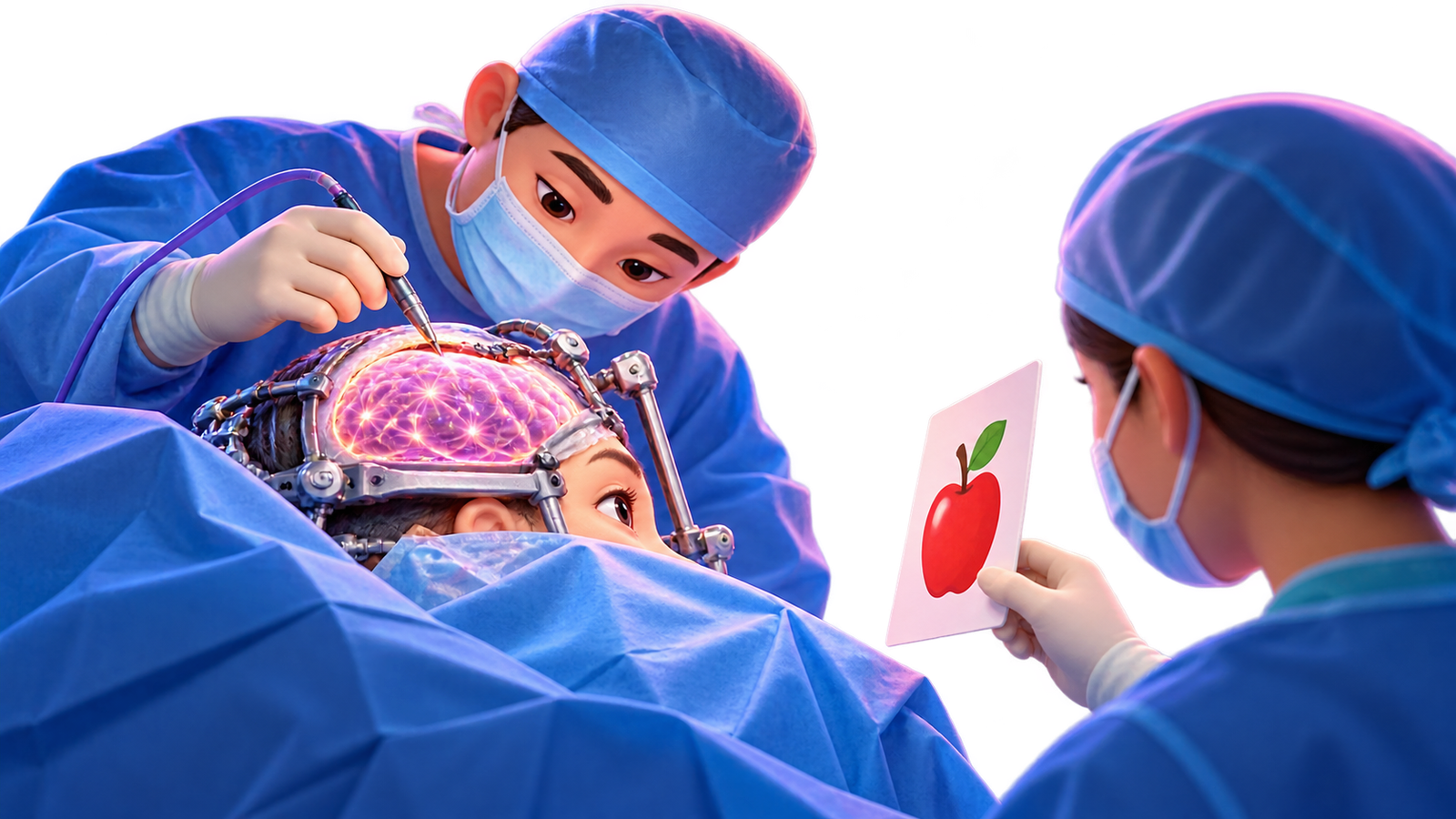
夢の中身を、脳の活動から"のぞき見"できた。京都の研究チームが挑んだ「夢の解読」
 2026.10.02
 English Corner(A2〜B2・4択クイズ)

 読む前に予想してみよう!
脳活動から夢を読み取る技術を使えば、誰の夢でもその場ですぐに読み取れる
本人の脳活動データで事前にAIを学習させる必要があり、読み取れるのも「物のカテゴリー」などに限られる。
 研究カード(どんな研究?)
- 対象
- 健康な成人
- 規模
- 3人(各200回以上の覚醒)
- 研究の種類
- fMRIと機械学習による実験研究
- 確かさ
- ★★☆☆☆
眠りかけの人の脳活動をAIで分析し、夢に出てきた物のカテゴリーを偶然より高い確率で当てた。ただし本人の協力と大量の学習データが必要。
ひとことで言うと夢で「何を見たか」を、脳の動きから当てられるようになってきた!
朝起きたとき、夢の内容がどんどん消えていく感覚、ありますよね。
夢は、本人にしかわからない究極のプライベート体験。科学で調べようにも、「どんな夢だった?」と聞くしかありませんでした。
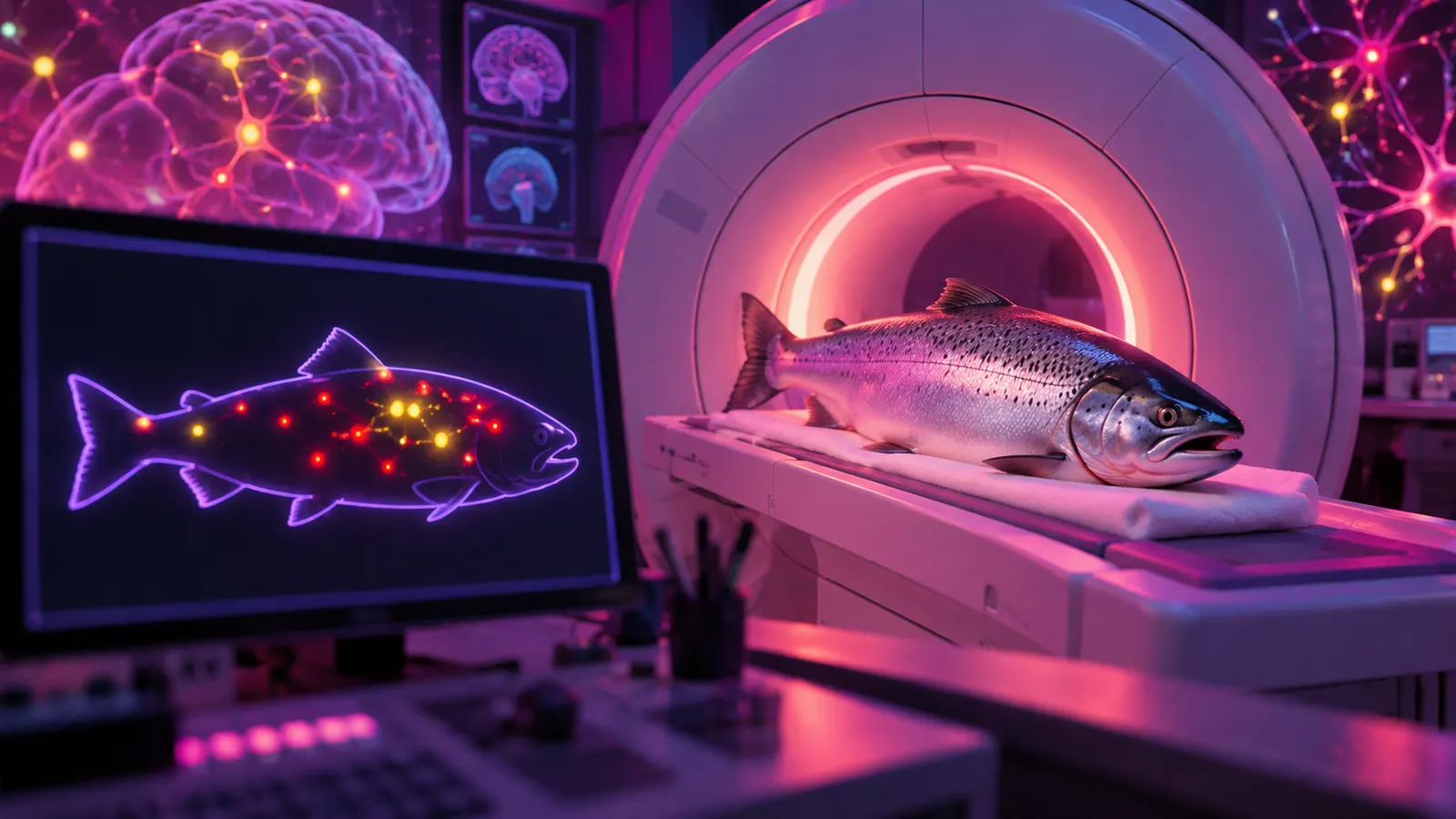
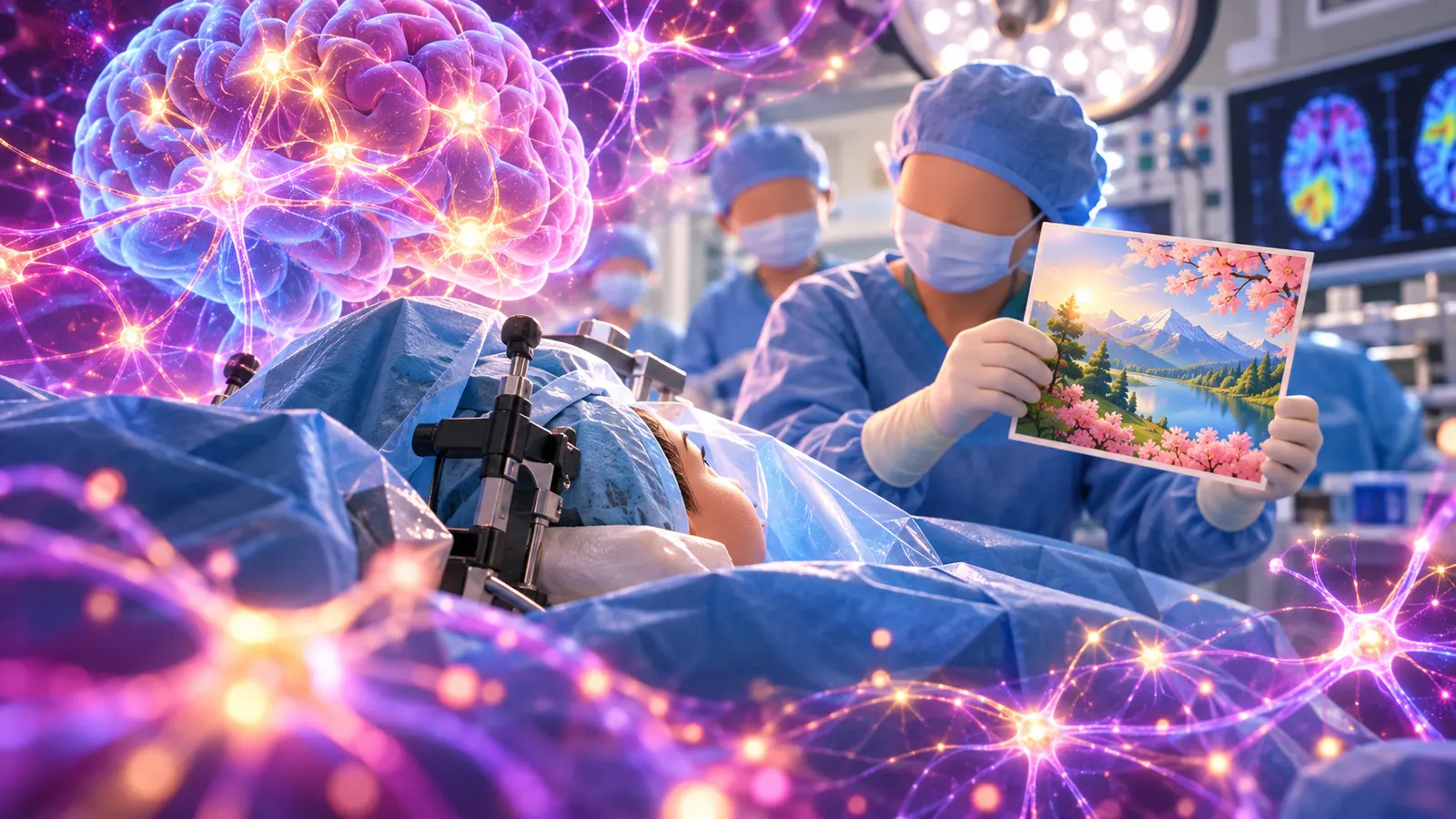
ところが2013年、京都の国際電気通信基礎技術研究所(ATR)の神谷之康(かみたに・ゆきやす)さんらのチームが、夢の中身を脳の活動から予測することに挑み、科学誌『Science』に発表しました。
01200回以上「起こされる」実験
「車が見えた」「男の人が話していた」「本棚があった」——集まった報告から、よく出てくる物(車、人、建物など)をカテゴリーに整理します。
02「起きているとき」の脳活動でAIを学習
次がこの研究の工夫です。
参加者が起きているときに、車や人などの写真をたくさん見せて脳活動を記録。その脳活動のパターンから「何の写真を見ているか」を当てるAI(機械学習のモデル)を作りました。
そして、このAIに夢を見ていたときの脳活動を入れてみたのです。すると、夢に出てきた物のカテゴリーを、偶然よりも高い確率で当てることができました。特に、視覚の情報を高度に処理する領域の活動が予測に役立ちました。
03わかったのは「夢と現実の脳は似ている」こと
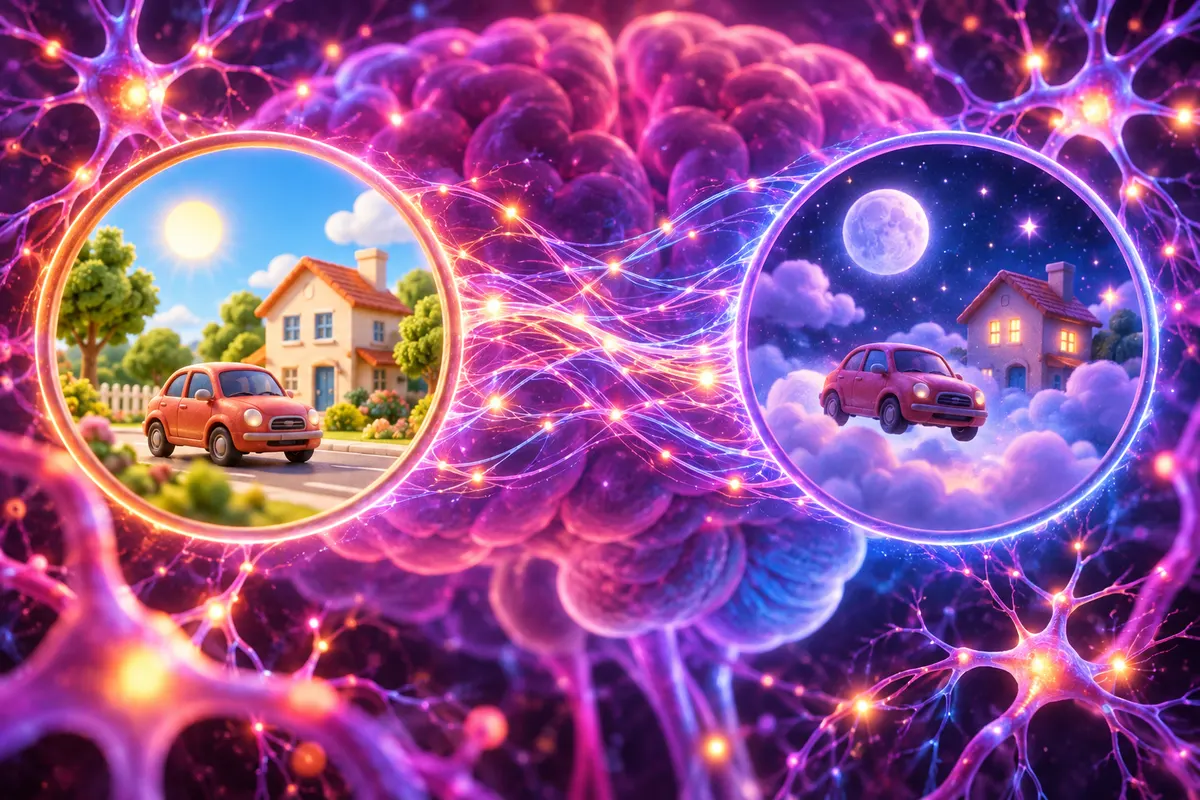
この結果が意味するのは、AIがすごいということ以上に、夢の中で何かを見ているとき、脳は起きて実際に見ているときと似たパターンで活動しているということです。
チームはその後も研究を進め、起きているときに頭の中で思い浮かべたイメージを予測したり(2017年)、AIの深層学習を使って見ている画像そのものを再構成したり(2019年)する技術を発表しています。
04まとめ
夢は、もう完全なブラックボックスではなくなりつつあります。脳の活動から、夢に出てきた物を「だいたい」当てられる時代が来ているのです。
ただし、読み取れるのは大まかな内容だけ。しかも、本人の協力があってこそ。あなたの夢の秘密は、まだしばらく、あなただけのものです。
この研究を英語で読もう原田英語の English CornerDreams have always been difficult to study because scientists could only ask people what they remembered. 音声
音声 4択クイズ9問A2・B1・B2タップして開く
原田英語の English Corner
この研究を英語で読もう
Dreams are very private. Usually, only the dreamer knows what they saw. In 2013, a team in Kyoto, Japan, tried to read dreams from brain activity.
Three people slept in an MRI machine. They were woken up more than 200 times each and asked about their dreams. A computer program learned their brain patterns. Then it could guess things in their dreams, like cars or people, better than chance.
69 words ・ CEFR A2
和訳を見る
夢はとても個人的なものです。ふつうは、夢を見た本人だけが何を見たかを知っています。2013年、日本の京都のチームが、脳の活動から夢を読み取ろうとしました。
3人がMRIの装置の中で眠りました。彼らはそれぞれ200回以上起こされ、夢について質問されました。コンピューターのプログラムが彼らの脳のパターンを学習しました。すると、車や人など、夢に出てきたものを偶然よりも高い確率で当てることができたのです。
4択リーディングクイズ
Q1. What is the passage mainly about?
脳の活動から夢の中身を当てる研究が中心なので B。
Q2. How many times was each person woken up?
They were woken up more than 200 times each とあるので D。3は参加者の人数。
Q3. In this passage, "private" means ...
直後に only the dreamer knows what they saw とあるので、private は「自分だけのもの」の A。
Dreams have always been difficult to study because scientists could only ask people what they remembered. In 2013, a team led by Kamitani in Kyoto tried a new approach. Three participants slept inside an MRI scanner. Each time brain waves showed they were falling asleep, they were woken and asked what they had seen. This was repeated more than 200 times per person.
Next, the researchers showed the participants many photos while they were awake and trained a machine-learning program to recognize objects from their brain activity. When the program was given brain activity from the dreaming period, it predicted the kinds of objects in the dreams better than chance. This suggests that seeing and dreaming use similar brain patterns.
120 words ・ CEFR B1
和訳を見る
科学者は人が覚えていることを尋ねるしかなかったため、夢はずっと研究が難しいものでした。2013年、京都の神谷さんが率いるチームが新しい方法を試しました。3人の参加者がMRIスキャナーの中で眠りました。脳波で眠りに落ちかけていることがわかるたびに、彼らは起こされ、何を見ていたか尋ねられました。これは1人につき200回以上繰り返されました。
次に研究者たちは、参加者が起きている間に多くの写真を見せ、脳の活動から物を見分ける機械学習のプログラムを訓練しました。夢を見ていたときの脳の活動をこのプログラムに与えると、夢に出てきた物の種類を偶然より高い確率で予測できました。このことは、見ることと夢を見ることが似た脳のパターンを使っていることを示唆しています。
4択リーディングクイズ
Q1. When were the participants woken up?
Each time brain waves showed they were falling asleep, they were woken とあるので A。
Q2. How was the machine-learning program trained?
起きている間に写真を見せ、その脳活動から物を見分けるよう訓練したので B。
Q3. What does the last sentence suggest?
起きているときの脳活動で学習したプログラムが夢にも使えた=見るときと夢のときの脳活動は似ている、という意味なので D。
In 2013, three people slept in an MRI scanner at ATR in Kyoto. Whenever EEG showed that one of them was drifting into sleep, a phase rich in dream-like images, they were woken and asked what they had just seen.
Kamitani's team wanted to decode dream content from brain activity. Dreams have long resisted objective study, since only the dreamer can report them. The awakenings were repeated more than 200 times per person, and the reports were sorted into categories such as cars, people and buildings.
Next, the researchers trained decoders on brain activity recorded while the participants were awake and looking at photos. They then applied the decoders to activity measured just before each awakening. The decoders identified the categories of dreamed objects at rates above chance, and higher visual areas were especially informative.
So dreaming and seeing appear to share similar neural patterns. The method has clear limits. It needs extensive training data from each person, it picks out only broad categories, and it studied images at sleep onset instead of the story-like dreams of REM sleep. Nobody could use it to read a stranger's dreams. The team later decoded imagined objects and reconstructed viewed images.
198 words ・ CEFR B2
和訳を見る
2013年、京都のATRで、3人の人がMRIスキャナーの中で眠りました。脳波が、そのうちの誰かが眠りに落ちかけていること、つまり夢のような映像が多く現れる時期に入ったことを示すたびに、その人は起こされ、たった今何を見ていたかを尋ねられました。
神谷さんが率いるこのチームは、脳の活動から夢の内容を解読しようとしていたのです。夢は見た本人しか報告できないため、長い間、客観的な研究を拒んできました。起こすことは1人につき200回以上繰り返され、報告は車・人・建物などのカテゴリーに分類されました。
次に研究者たちは、参加者が起きて写真を見ているときに記録した脳活動でデコーダー(解読器)を訓練しました。そして、そのデコーダーを起こす直前に測定した脳活動に当てはめたのです。デコーダーは、夢に出てきた物のカテゴリーを偶然を上回る率で特定し、特に高次の視覚領域が有用な情報をもたらしました。つまり、夢を見ることと実際に見ることは、似た神経活動のパターンを共有しているようです。
この方法にははっきりした限界があります。個人ごとに大量の訓練データが必要で、特定できるのは大まかなカテゴリーだけです。また調べたのは入眠時のイメージで、レム睡眠の物語のような夢ではありませんでした。これを使って他人の夢を読むことは誰にもできません。チームはその後、思い浮かべた物を解読したり、見ている画像を再構成したりしました。
4択リーディングクイズ
Q1. What was the key idea of the method?
trained decoders on brain activity recorded while the participants were awake and looking at photos. They then applied the decoders to activity measured just before each awakening とあるので A。
Q2. Which brain areas were especially useful for prediction?
higher visual areas were especially informative とあるので C。
Q3. Why could the method NOT be used to read a stranger's dreams?
It needs extensive training data from each person とあり、本人のデータなしには使えないので B。
重要単語
- decodeB2動詞解読するThe program decoded the hidden message.
 de-(外す)+code(暗号)。名詞 decoder「解読器」。反対は encode(符号化する)。
 - machine learningB2名詞(句)機械学習Machine learning finds patterns in large data sets. AI の中心技術。train a model「モデルを訓練する」とセットで使われる。
- visual cortexC1名詞(句)視覚野The visual cortex processes what we see. visual(視覚の)+cortex(皮質)。auditory cortex「聴覚野」、motor cortex「運動野」も同じ型。
- imageryC1名詞心に浮かぶイメージDream imagery can be very vivid. image の集合名詞。文学では「比喩的表現・心象」の意味でも使われる。
- chance levelC1名詞(句)偶然の水準(当てずっぽうの正答率)The accuracy was above chance level. above chance「偶然を上回る」は研究結果を述べる定番表現。by chance「偶然に」と区別。
- participantB1名詞参加者、被験者Each participant slept in the scanner. participate in ~(~に参加する)の名詞形。研究紹介の英文で最頻出の語の一つ。
 入試に出る順の単語帳を印刷する →
 全5561語の「科学英単語カード」で復習する →
 4コマでわかる
このネタ、誰かに教えたくなった?
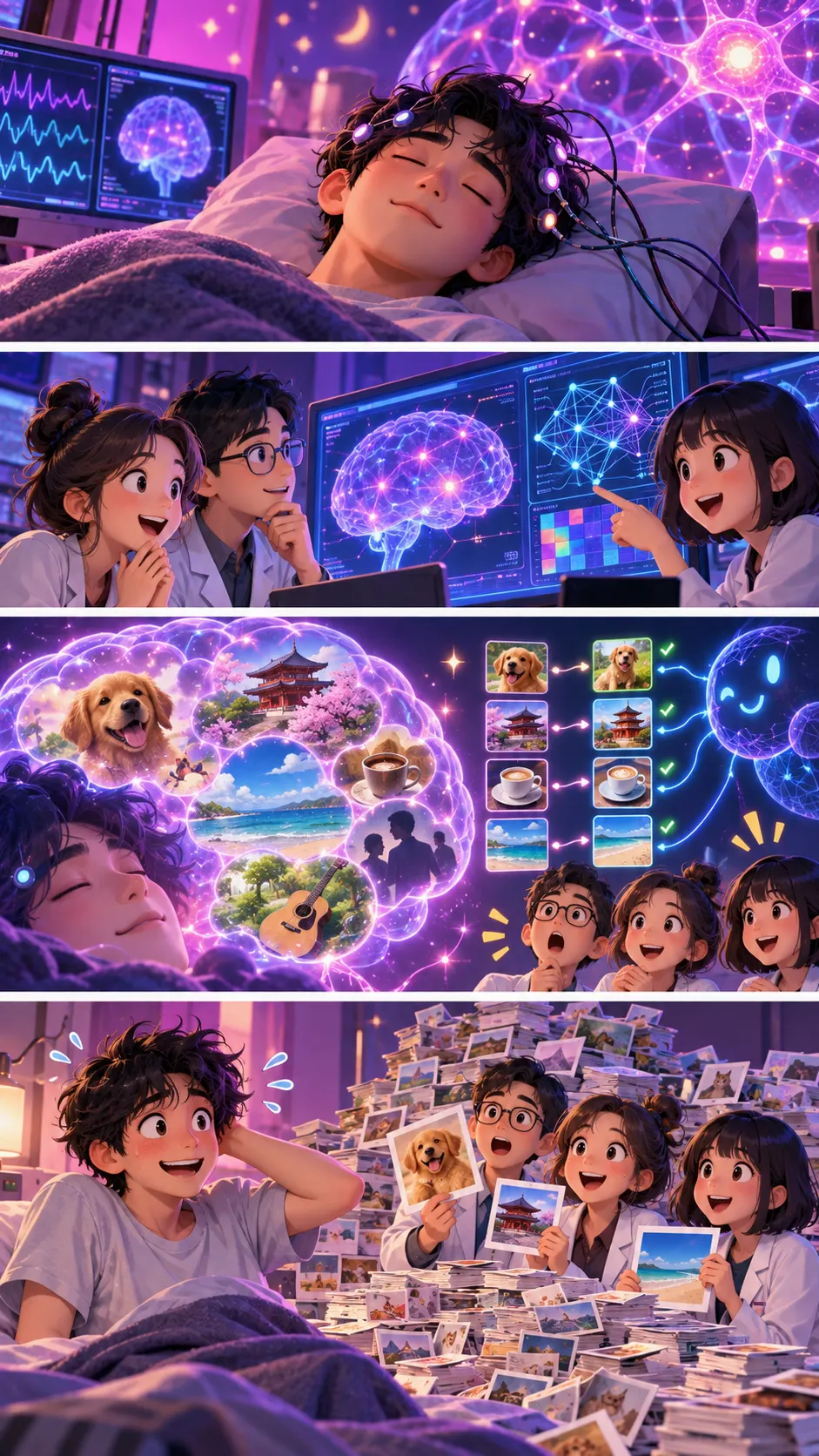
寝ている人の脳をMRIで測って、夢に「車」や「人」が出てきたかをAIで当てる——そんな研究を日本のチームが2013年に発表していた。眠りかけで200回以上起こされた参加者の協力のたまものらしい。
押すと「マジかリスト」に保存されます
 出典・参考文献(4件)タップで表示
- Horikawa, Tamaki, Miyawaki & Kamitani (2013) Neural decoding of visual imagery during sleep, Sciencedoi.org
- Miyawaki et al. (2008) Visual image reconstruction from human brain activity using a combination of multiscale local image decoders, Neurondoi.org
- Horikawa & Kamitani (2017) Generic decoding of seen and imagined objects using hierarchical visual features, Nature Communicationsdoi.org
- Shen, Horikawa, Majima & Kamitani (2019) Deep image reconstruction from human brain activity, PLOS Computational Biologydoi.org

※本記事は上記の研究・公開資料をもとに、原田英語が独自の言葉で解説したものです。引用は著作権法第32条の範囲で行い、出典を明記しています。画像はすべてオリジナルのイメージです。研究結果には限界や個人差があります。誤りのご指摘は原田英語のお問い合わせフォームから。