テクノロジー・未来ホント
【悲報】AIが作った顔、人間の正解率は“コイン投げ”並みだった。ディープフェイクとの付き合い方
 2026.10.02
 English Corner(A2〜B2・4択クイズ)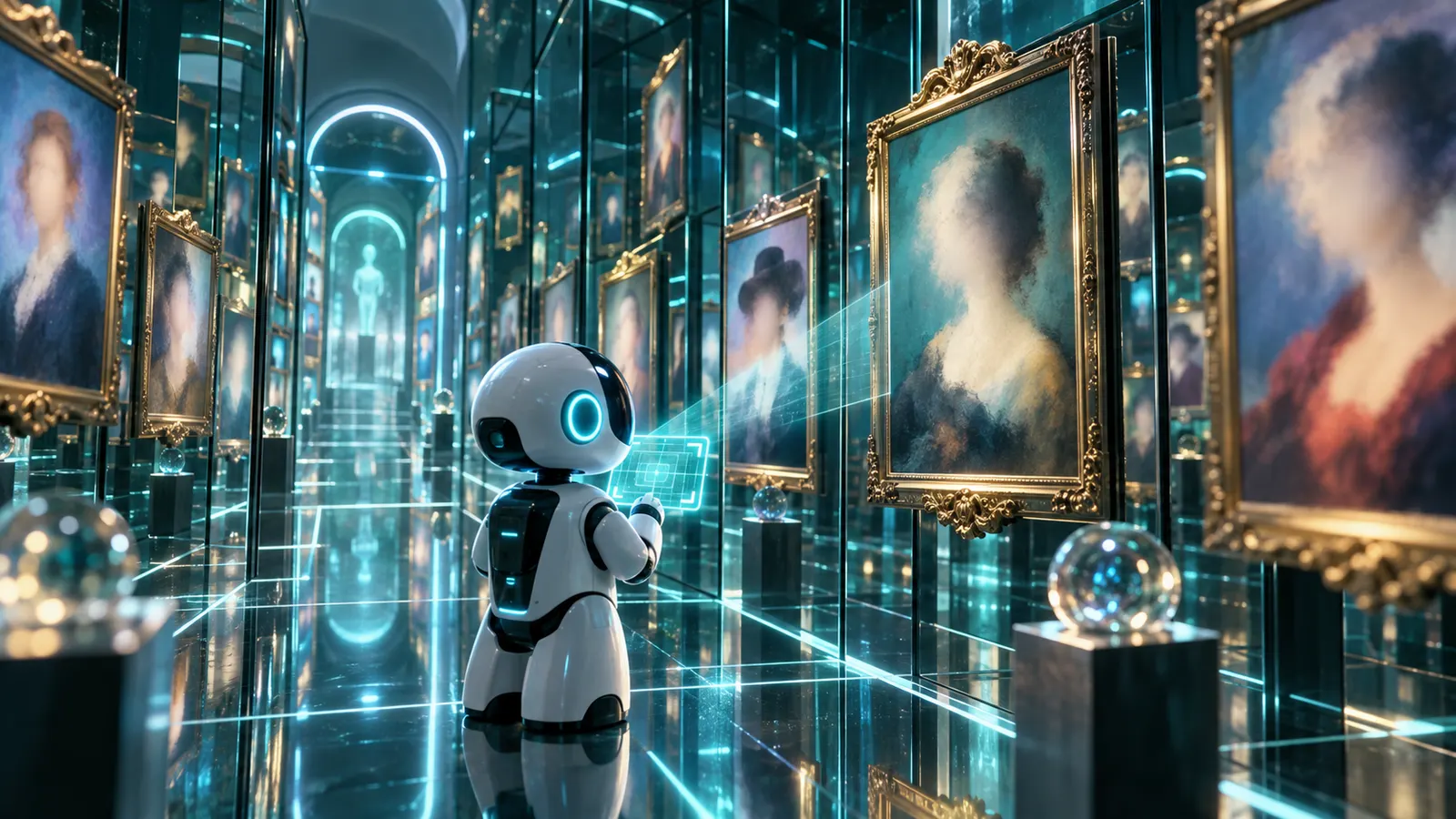
 読む前に予想してみよう!
AIが作った顔の方が、本物の顔より「信頼できそう」と評価された研究がある
2022年のPNASの研究で、AI生成の顔の方が信頼度の評価がわずかに高かった。
 研究カード(どんな研究?)
- 対象
- 一般の成人参加者
- 規模
- 1実験あたり数百人、メタ分析は56論文・約8.6万人
- 研究の種類
- オンライン実験・系統的レビュー/メタ分析
- 確かさ
- ★★★★☆
AIが作った顔写真と本物を見分ける実験で、人間の正解率は約48%。しかもAIの顔の方が「信頼できそう」と評価された。見た目より“出どころ”で判断するのが現実的。
ひとことで言うとAIの顔は人間の目ではほぼ見分けられない。「誰が出したか」を確かめよう!
「指の数がおかしい」「耳の形が変」「背景がゆがんでいる」――。少し前まで、AIが作った画像は、よく見ればどこかに“ボロ”がありました。
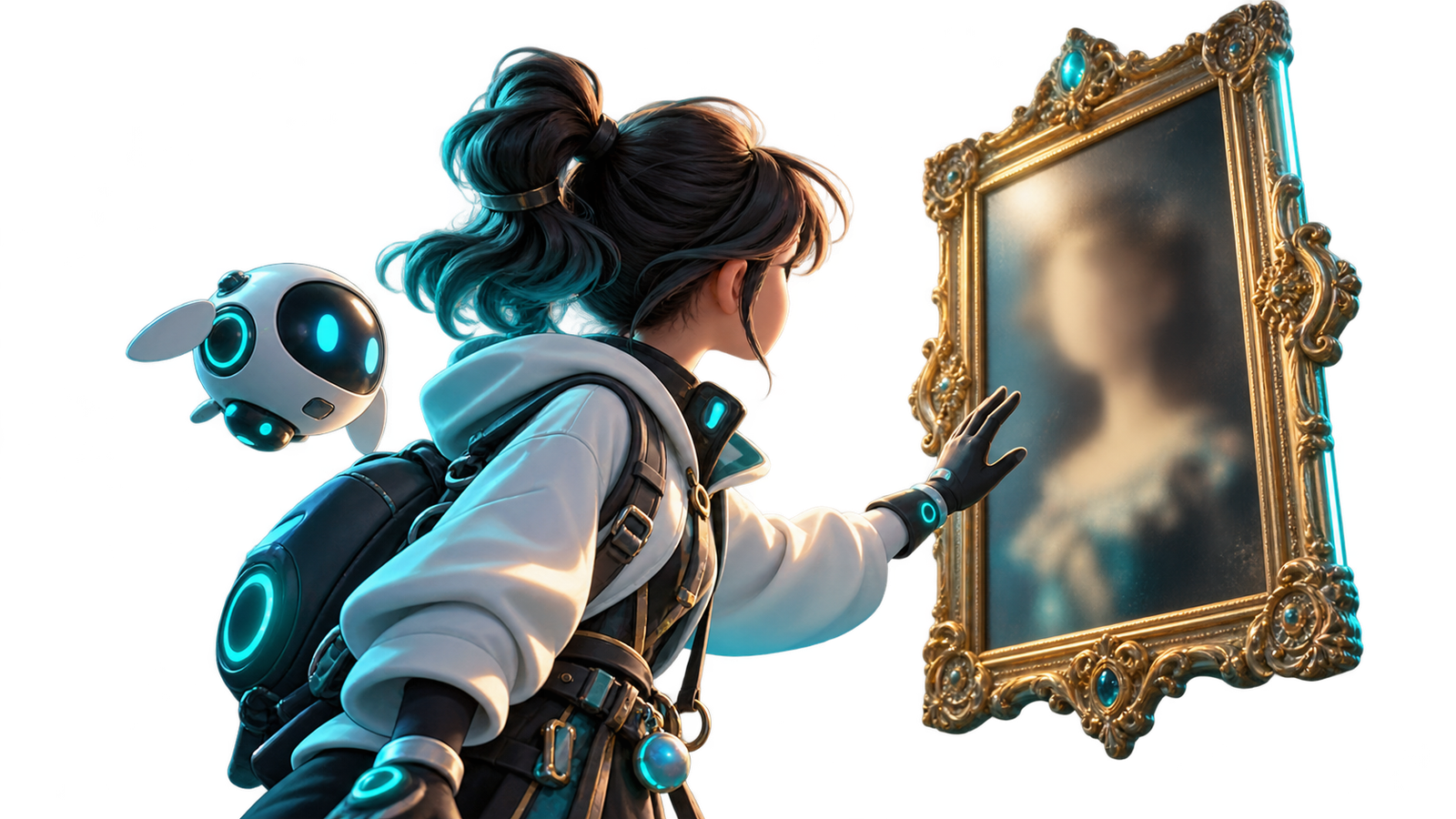
でも、その常識はもう通用しないかもしれません。AIが作った人の顔写真について調べた研究で、人間が本物と見分けられた確率は約48%。
つまり、コインを投げて決めるのとほとんど変わらなかったのです。
01見分けられないうえに「信頼できそう」
なぜAIの顔の方が信頼されるのでしょう。研究者たちは、AIの作る顔は「平均的な顔」に近くなりやすく、人は平均的な顔を信頼しやすいからではないか、と考えています。
2024年には、56本の論文、のべ8万人以上のデータをまとめた分析(Diel ら)も発表されました。画像・動画・音声・文章をひっくるめても、人間がディープフェイクを見抜く正解率は平均すると50%台半ばで、偶然とはっきり区別できないレベルでした。
02「ボロ探し」に頼らない方がいい理由
ネットには「ディープフェイクの見分け方」として、まばたきが少ない、歯がぼやける、照明が不自然……といったチェックポイントがよく紹介されています。
一方で、ちょっと希望のある研究もあります。米MITなどの Groh らが2022年に PNAS で発表した実験では、動画のディープフェイクについて、一般の人々の判断を集めると最先端の検出AIと同じくらいの成績になり、条件によっては人間の方が上手な場面もありました。顔を上下逆さまにすると人間の成績が落ちたことから、顔全体の自然さを感じ取る能力が役立っていると考えられています。結局は、人間とAIのチェックを組み合わせるのが現実的だと考えられています。
03「何が写っているか」より「どこから来たか」
見た目で判断できないなら、何を手がかりにすればいいのでしょうか。答えは出どころ(来歴)です。
画像や動画に「いつ・誰が・どの機器やソフトで作ったか」という来歴情報を埋め込む技術の標準化も進んでいます。将来は「来歴情報がないものは、まず疑う」という時代になるかもしれません。
04まとめ
AIが作った顔は、人間の目ではほぼ見分けられず、しかも「信頼できそう」に見えることさえあります。もう“目で見抜く”時代は終わりつつあるのです。
これからの合言葉は、「何が写っているか」より「誰が、どこから出したか」。驚く画像ほど、出どころを確かめるクセをつけましょう。
この研究を英語で読もう原田英語の English CornerNot long ago, AI-generated images often had obvious mistakes, such as strange fingers or twisted backgrounds. 音声
音声 4択クイズ9問A2・B1・B2タップして開く
原田英語の English Corner
この研究を英語で読もう
AI can now make photos of faces that look very real. In a 2022 study, people tried to find which faces were real and which were made by AI.
They were right only about 48% of the time. That is like guessing by flipping a coin. People even thought the AI faces looked more trustworthy. So it is better to check who first shared a picture.
66 words ・ CEFR A2
和訳を見る
AIは今や、とても本物らしく見える顔写真を作ることができます。2022年の研究で、人々はどの顔が本物で、どの顔がAIによって作られたかを見分けようとしました。
正解したのは約48%だけでした。それは、コインを投げて当てずっぽうに決めるのと同じようなものです。人々は、AIの顔の方が信頼できそうに見えるとさえ思いました。だから、誰が最初にその写真を共有したかを確かめる方がよいのです。
4択リーディングクイズ
Q1. What is the passage mainly about?
AIの作った顔は人間にはほとんど見分けられない、という話が主題なので C。
Q2. How often were people right in the 2022 study?
They were right only about 48% of the time. とあるので A。
Q3. In this passage, "trustworthy" means ...
trust(信頼)+worthy(値する)で「信頼できる」。正解は B。
Not long ago, AI-generated images often had obvious mistakes, such as strange fingers or twisted backgrounds. That is no longer true. In a 2022 study, Sophie Nightingale and Hany Farid showed 315 people real face photos and faces made by AI. On average, participants chose correctly only 48.2% of the time, which is about the same as guessing.
Even after receiving tips, another group reached only about 59%. In another experiment, people rated the AI faces as more trustworthy than real ones. The researchers think this may be because AI faces tend to look average, and people trust average faces. Since our eyes are not reliable, experts recommend checking where an image came from and whether trusted sources report the same thing.
122 words ・ CEFR B1
和訳を見る
少し前まで、AIが作った画像には、おかしな指やゆがんだ背景といった明らかな誤りがよくありました。それはもう当てはまりません。2022年の研究で、ソフィー・ナイチンゲールとハニー・ファリドは315人に本物の顔写真とAIが作った顔を見せました。平均すると、参加者が正しく選べたのは48.2%だけで、これは当てずっぽうとほぼ同じです。
コツを教わった別のグループでさえ、約59%にとどまりました。別の実験では、人々はAIの顔の方を本物の顔より信頼できそうだと評価しました。研究者たちは、AIの顔は平均的に見えやすく、人は平均的な顔を信頼するからではないかと考えています。私たちの目は当てにならないので、専門家は、画像がどこから来たのか、そして信頼できる情報源が同じことを報じているかを確かめるよう勧めています。
4択リーディングクイズ
Q1. What happened to the group that received tips?
Even after receiving tips, another group reached only about 59%. とあるので B。
Q2. Why might people trust AI faces more, according to the researchers?
AI faces tend to look average, and people trust average faces とあるので D。
Q3. What would the experts most likely advise you to do with a shocking photo online?
最終文で、出どころと信頼できる情報源を確かめるよう勧めているので A。目で見抜くのは当てにならない。
Extra fingers and warped backgrounds used to give AI-generated images away. As the technology has improved, those flaws have been disappearing fast. In a 2022 study in PNAS, Nightingale and Farid asked 315 participants to tell real faces from faces synthesized by StyleGAN2. Average accuracy was 48.2 percent, essentially a coin toss, and a group given training reached only about 59 percent.
In a further experiment, people rated the synthetic faces as slightly more trustworthy, perhaps because AI tends to produce average-looking faces. The problem goes beyond faces. A 2024 meta-analysis of 56 papers and more than 80,000 participants found that human accuracy across images, video, audio and text averaged in the mid-50s, not clearly different from chance. Exact figures depend on which generator was used and how the test images were chosen, and they vary widely between studies.
There is better news from a 2022 MIT study. The pooled judgments of ordinary people detected video deepfakes about as well as a leading detection model, so a mix of human and machine checking looks realistic. For a single viewer, checking provenance, meaning who first published a piece of content, is more reliable than searching the image for visual clues.
199 words ・ CEFR B2
和訳を見る
以前は、余分な指やゆがんだ背景を見れば、AIが作った画像だと見抜けました。技術が進歩するにつれ、そうした欠陥は急速に消えつつあります。2022年の『PNAS』の研究で、ナイチンゲールとファリドは315人の参加者に、本物の顔とStyleGAN2が合成した顔を見分けてもらいました。平均正答率は48.2パーセントで、ほぼコイン投げと同じであり、訓練を受けたグループも約59パーセントにしか達しませんでした。
さらなる実験では、人々は合成された顔の方をわずかに信頼できそうだと評価しました。AIが平均的に見える顔を作りやすいためかもしれません。問題は顔だけにとどまりません。56本の論文と8万人を超える参加者を対象にした2024年のメタ分析では、画像・動画・音声・文章を通じた人間の正答率は平均して50%台半ばで、偶然とはっきり異なるとは言えませんでした。正確な数値は、どの生成モデルが使われたか、テスト用の画像がどう選ばれたかに左右され、研究によって大きく異なります。
2022年のMITの研究からは、もっと明るい知らせがあります。一般の人々の判断を集めると、動画のディープフェイクを最先端の検出モデルとほぼ同じくらいうまく見抜けたので、人間と機械のチェックを組み合わせるのは現実的なようです。一人で見る場合は、画像の中に見た目の手がかりを探すより、来歴、つまり誰が最初にそのコンテンツを公開したかを確かめる方が確実です。
4択リーディングクイズ
Q1. What did the 2024 meta-analysis find?
human accuracy ... averaged in the mid-50s, not clearly different from chance とあるので B。
Q2. What does the MIT study suggest?
so a mix of human and machine checking looks realistic とあるので D。
Q3. Why should the specific accuracy figures be treated with caution?
Exact figures depend on which generator was used and how the test images were chosen とあるので D。
重要単語
- deepfakeC1名詞AIで作った偽の画像・動画・音声The video turned out to be a deepfake.
 deep learning(深層学習)+fake(偽物)からできた新語。時事英語で頻出。
 - syntheticC1形容詞合成の、人工のSynthetic faces looked more trustworthy than real ones. 動詞 synthesize。synthetic fiber「合成繊維」。natural(天然の)と対比で使う。
- trustworthyB2形容詞信頼できそうなPeople rated the AI faces as more trustworthy. trust+-worthy(~に値する)。praiseworthy, noteworthy も同じ作り。
- provenanceC1名詞出どころ、来歴Check the provenance of a shocking image. 美術品の「来歴」が原義。フランス語 provenir(由来する)から。情報リテラシーの文脈で増加中。
- chance levelC1名詞(句)偶然の水準(当てずっぽうの正答率)Their accuracy was close to chance level. 2択なら50%。by chance「偶然に」と同じ chance。
- distinguishB2動詞区別する、見分けるIt is hard to distinguish real faces from AI faces. distinguish A from B「AをBと区別する」は最重要構文。tell A from B と同じ意味。
- accuracyB2名詞正確さ、正答率Their accuracy was only 48 percent. 形容詞 accurate。with accuracy「正確に」。precision(精密さ)とセットで覚える。
 入試に出る順の単語帳を印刷する →
 全5561語の「科学英単語カード」で復習する →
 動画でもっと知る
動画は各チャンネルの公式埋め込みで表示しています(YouTube)。
この話題を TED で聞く
同じテーマの TED・TED-Ed を、 TED HACK で。英語の見どころ・使える表現・学習ミッションつきの日本語ガイドです。(運営:原田英語)

 公式・一次情報をチェック
- C2PA(コンテンツの来歴情報の技術標準を策定する団体, 公式)c2pa.org
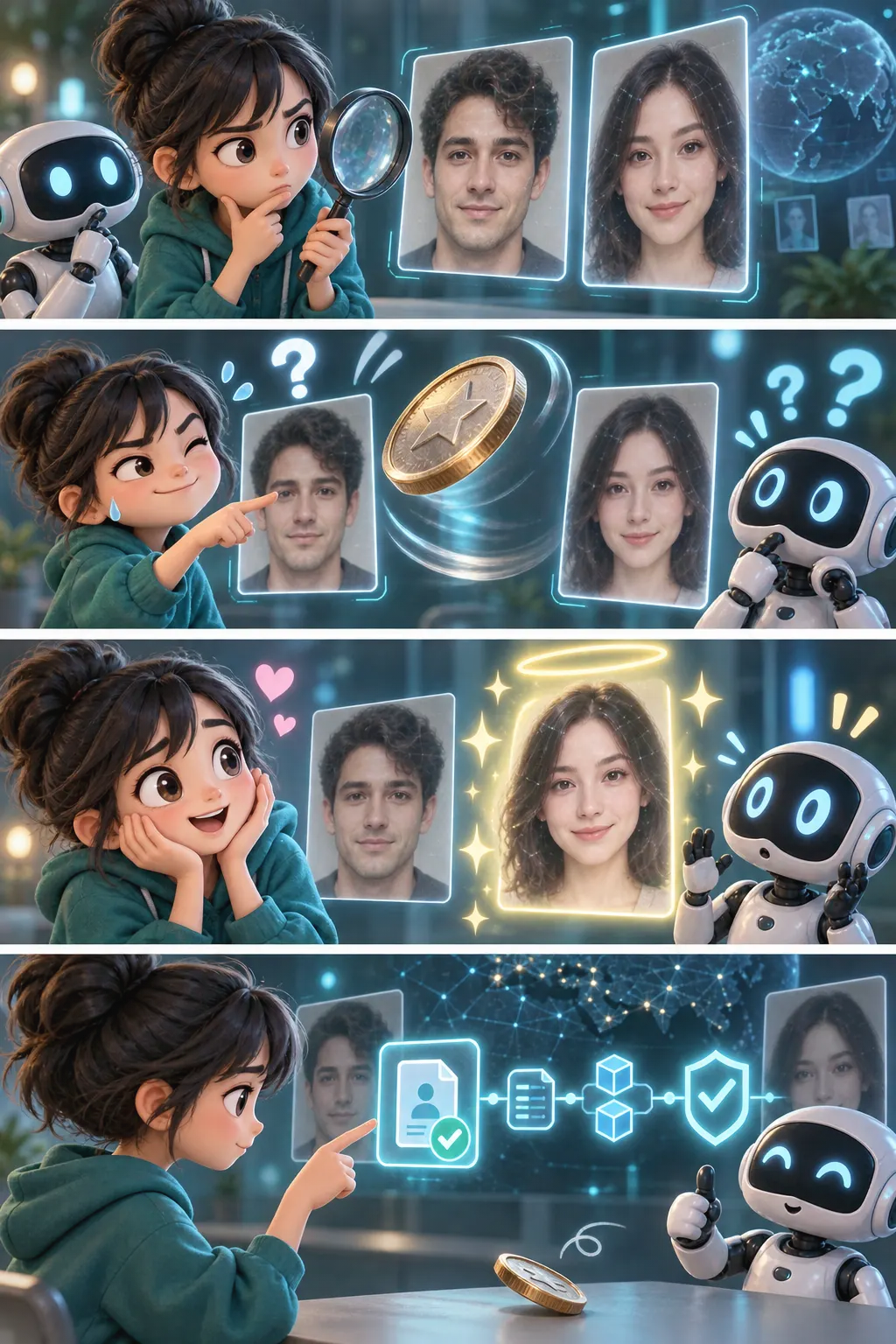
 4コマでわかる
このネタ、誰かに教えたくなった?
AIが作った顔写真と本物の写真、人間が見分けられた確率は約48%で、コイン投げとほぼ同じだったらしい。しかもAIの顔の方が「信頼できそう」と評価された。もう“目で見抜く”のは限界かも。
押すと「マジかリスト」に保存されます
 出典・参考文献(4件)タップで表示
- Nightingale & Farid (2022) AI-synthesized faces are indistinguishable from real faces and more trustworthy, PNASdoi.org
- Diel et al. (2024) Human performance in detecting deepfakes: A systematic review and meta-analysis of 56 papers, Computers in Human Behavior Reportsdoi.org
- Groh et al. (2022) Deepfake detection by human crowds, machines, and machine-informed crowds, PNASdoi.org
- Cooke et al. (2025) As Good as a Coin Toss: Human Detection of AI-Generated Content, Communications of the ACMdoi.org

※本記事は上記の研究・公開資料をもとに、原田英語が独自の言葉で解説したものです。引用は著作権法第32条の範囲で行い、出典を明記しています。画像はすべてオリジナルのイメージです。研究結果には限界や個人差があります。誤りのご指摘は原田英語のお問い合わせフォームから。