学習ハックビミョー
集中が切れたら「40秒だけ緑を見る」? 研究でわかった集中リセット術と、その限界
 2026.10.02
 English Corner(A2〜B2・4択クイズ)
 読む前に予想してみよう!
勉強の休憩中にスマホでSNSを見るのは、頭を休める一番いい方法だ
スマホを長く使った後は注意力が落ちたという実験も。窓の外を眺めたり歩いたりする方がおすすめ。
 研究カード(どんな研究?)
- 対象
- 大学生など
- 規模
- 150人(元の実験)+追試2実験で計254人
- 研究の種類
- ランダム化実験+系統的レビュー・メタ分析
- 確かさ
- ★★☆☆☆
40秒の緑の景色で注意力が回復したという実験がある一方、再現しなかった研究も。短い休憩や自然の中の散歩は疲れを和らげる方向の証拠が多い。
ひとことで言うと集中が切れたら、スマホより窓の外の緑や散歩でひと休み!
問題集を開いて1時間。気づけば同じ行を3回読んでいる…。集中力が切れたサインです。
そんなとき、ついスマホに手が伸びがち。でも研究を見ると、集中を取り戻すには、もっといい休み方がありそうです。
中でも話題になったのが「40秒だけ緑を見る」という実験。ただし、この話には続きがあります。
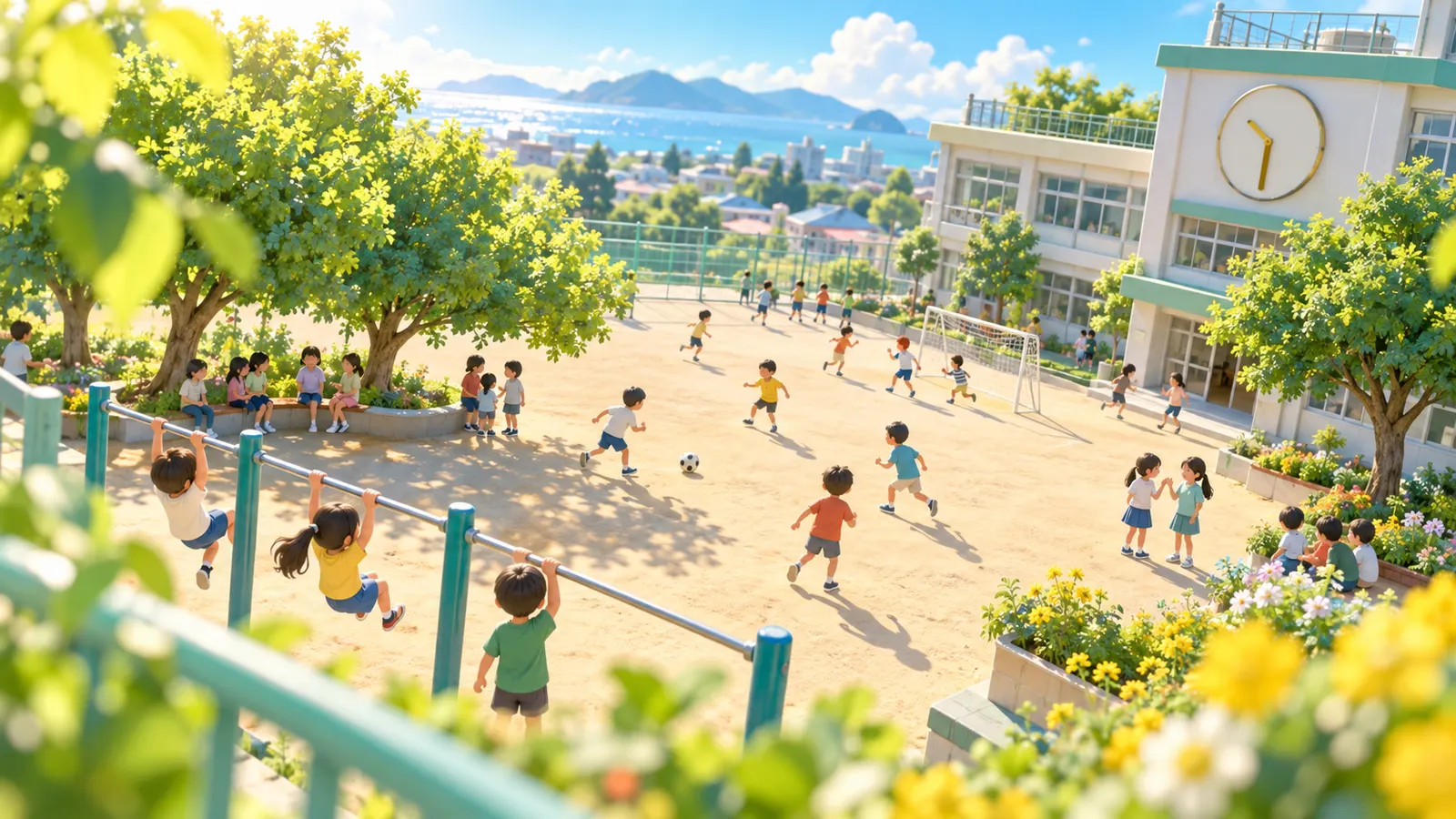
0140秒の「緑の屋上」でミスが減った
背景にあるのが注意回復理論です。勉強のように「がんばって注意を向ける」作業を続けると、注意力はだんだんすり減っていく。でも自然の景色は、がんばらなくても自然に目が向くので、すり減った注意力を休ませてくれる、という考え方です。
02ただし、再現しなかった研究も
ところが2022年、元の研究者たちも加わったジョンソンらのチームが、草原・海・都市の画像を40秒見せる実験を2回(計254人)行ったところ、課題の成績には差が出ませんでした。参加者は自然の画像の方を「回復した気がする」と感じていたのに、です。ほかにも、自然の画像で注意が回復しなかったという追試がいくつか報告されています。
また、自然と注意力の研究をまとめたレビューでは、自然に触れるとワーキングメモリ(頭の中の作業スペース)などが良くなる傾向はあるものの、効果は小さめから中くらいで、研究によってばらつきがあるとされています。写真を見るより、実際に外へ出る方が効果が大きい可能性も指摘されています。
03休憩中のスマホは、あまり休憩にならない?
もう一つ気をつけたいのが、休憩の中身です。
2023年にフランスの研究チーム(ジャケらが Scientific Reports 誌で報告)が行った実験では、45分間スマホを使った人は、同じ時間ドキュメンタリーを見た人と比べて、その後の注意力のテストで反応が遅くなりました。別の参加者で行った実験では、押してはいけない合図でボタンを押してしまうミスも増えました。
短い休憩そのものについては、10分以内の「マイクロブレイク」の研究をまとめた2022年のメタ分析で、元気を回復させ、疲れを減らす効果が報告されています。ただし、課題の成績そのものが上がるかどうかは、全体としてははっきりしませんでした。休むこと自体は大事。ただ、休み方しだいで回復の度合いが変わりそうです。
04ほんの短い「目先を変える」だけでも
2011年、米イリノイ大学のアリガとリェラスは、単調な課題を長く続けると成績がだんだん落ちていく現象(集中の低下)について調べました。すると、課題の途中でごく短く、まれに別のことへ注意を向けるだけで、成績の落ち込みが防げたと報告しています。
ずっと同じ対象に注意を向け続けると、脳はその対象に「慣れて」しまい、注意が薄れていく。ほんの一瞬でも目先を変えると、注意がリセットされる、という考え方です。
勉強なら、30分ほど同じ問題集に向かったら、一度顔を上げて窓の外を見る、立ち上がる、別の科目の問題を1問解くなど、小さな切り替えを入れてみてください。
05まとめ
「40秒の緑で集中力回復」は、まだビミョーな段階。でも、短い休憩をとること、自然の中を少し歩くことには、疲れを和らげたり、頭の働きを少し助けたりする方向の証拠があります。
次に集中が切れたら、スマホではなく窓の外へ。数十秒でも、目と頭を「がんばらなくていい景色」に預けてみてください。
この研究を英語で読もう原田英語の English CornerHave you ever read the same line three times because you could not concentrate? 音声
音声 4択クイズ9問A2・B1・B2タップして開く
原田英語の English Corner
この研究を英語で読もう
When you study for a long time, you may lose focus. In one study, students looked at a photo of a green roof for only 40 seconds. After that, they made fewer mistakes.
But a later study did not get the same result. Even so, short breaks can help you feel less tired. Walking outside may work better than looking at photos. During a break, try not to use your phone.
71 words ・ CEFR A2
和訳を見る
長い時間勉強していると、集中力がなくなることがあります。ある研究では、学生たちが緑の屋上の写真をたった40秒見ました。そのあと、彼らはミスが少なくなりました。
しかし、後の研究では同じ結果は出ませんでした。それでも、短い休憩は疲れを感じにくくするのに役立ちます。写真を見るより外を歩く方が効くかもしれません。休憩中は、スマホを使わないようにしましょう。
4択リーディングクイズ
Q1. What is the passage mainly about?
集中が切れたときの休憩の取り方(緑を見る、短い休憩、外を歩く、スマホを避ける)が全体のテーマなので A。
Q2. How long did the students look at the photo?
for only 40 seconds とあるので C。
Q3. In this passage, "lose focus" means ...
focus は「集中」。lose focus は「集中力がなくなる」なので B。
Have you ever read the same line three times because you could not concentrate? In 2015, researchers at the University of Melbourne gave 150 students a boring task that needed steady attention. In the middle, the students looked at a photo of either a green roof with flowers or a concrete roof for 40 seconds. Those who saw the green roof made fewer mistakes afterward.
However, in 2022, a team that included the original researchers repeated the idea with 254 people and found no difference in performance, although people felt more refreshed by nature images. Other research suggests that short breaks reduce tiredness, and that using a smartphone for 45 minutes can make attention worse. A walk outside seems to be a safer choice.
124 words ・ CEFR B1
和訳を見る
集中できずに同じ行を3回読んだことはありませんか。2015年、メルボルン大学の研究者たちは、150人の学生に、安定した注意力を必要とする退屈な課題をさせました。途中で、学生たちは花の咲く緑の屋上か、コンクリートの屋上のどちらかの写真を40秒間見ました。緑の屋上を見た人は、その後のミスが少なくなりました。しかし2022年、元の研究者たちを含むチームが254人を対象にこの考えを試し直したところ、成績には差が見られませんでした。
ただし、人々は自然の画像の方がすっきりしたと感じていました。ほかの研究では、短い休憩は疲れを減らすこと、そして45分間スマホを使うと注意力が悪くなりうることが示されています。外を散歩する方が安全な選択のようです。
4択リーディングクイズ
Q1. What did the students in the 2015 study do during the task?
the students looked at a photo of either a green roof ... or a concrete roof for 40 seconds とあるので D。
Q2. What did the 2022 study find?
found no difference in performance, although people felt more refreshed by nature images とあるので B。
Q3. What can we infer about the "40-second green view" idea?
2015年は効果あり、2022年の追試では成績差なしと結果が分かれているので、まだ証拠は不確か=C。
Attention restoration theory proposes that effortful concentration gradually wears down our capacity to focus, whereas natural scenes attract attention effortlessly and allow that capacity to recover. A widely cited 2015 experiment from the University of Melbourne seemed to support this: 150 students performing a monotonous task made fewer omission errors after viewing a flowering green roof for just 40 seconds, compared with those who viewed a concrete roof.
However, the finding has proved fragile. In 2022, a team that included members of the original group ran two experiments with a total of 254 participants and found no difference in task performance, even though participants reported feeling more restored after nature images. Reviews of the wider literature suggest that contact with nature has small to moderate benefits for functions such as working memory, with considerable variation between studies, and that real outdoor exposure may be more effective than pictures. Meanwhile, a 2022 meta-analysis concluded that micro-breaks reduce fatigue but did not clearly improve performance overall, and a 2023 experiment found that 45 minutes of smartphone use slowed responses. The sensible conclusion is that breaks matter, but their content probably matters as well.
191 words ・ CEFR B2
和訳を見る
注意回復理論は、努力を要する集中は集中する力を徐々にすり減らす一方、自然の景色は努力なしに注意を引きつけ、その力を回復させると提唱しています。広く引用されるメルボルン大学の2015年の実験は、これを支持するように見えました。
単調な課題を行う150人の学生が、花の咲く緑の屋上をたった40秒見た後、コンクリートの屋上を見た人たちと比べて見落としのミスが少なかったのです。しかし、この発見はもろいことが分かってきました。2022年、元のグループのメンバーを含むチームが計254人の参加者で2つの実験を行ったところ、参加者は自然の画像の後の方が回復したと感じたと報告したにもかかわらず、課題の成績には差が見られませんでした。より広い研究のレビューは、自然との接触がワーキングメモリなどの機能に小さめから中程度の効果を持つが、研究間のばらつきが大きく、写真よりも実際に屋外に出る方が効果的かもしれないことを示唆しています。一方、2022年のメタ分析は、マイクロブレイクは疲労を減らすが、全体として成績をはっきり向上させるわけではないと結論づけ、2023年の実験では45分間のスマホ使用で反応が遅くなることが分かりました。妥当な結論は、休憩は重要だが、その中身もおそらく重要だということです。
4択リーディングクイズ
Q1. According to attention restoration theory, why do natural scenes help?
natural scenes attract attention effortlessly and allow that capacity to recover とあるので C。
Q2. What does the author mean by saying the finding "has proved fragile"?
直後に、2022年の追試で成績差が見られなかったことが述べられている。fragile(もろい)は再現性が弱いという意味なので A。
Q3. Which statement best reflects the passage's conclusion?
最終文 breaks matter, but their content probably matters as well の言い換えなので D。
重要単語
- attention restorationC1名詞(句)注意の回復Attention restoration theory says nature helps tired minds.
 restore(元に戻す)の名詞形 restoration。restore order(秩序を回復する)、restore a building(建物を修復する)も覚えよう。
 - micro-breakC1名詞ごく短い休憩A micro-break of a few minutes can reduce fatigue. micro-(小さい)+break。take a break「休憩をとる」が基本のコロケーション。
- sustained attentionC1名詞(句)持続的注意(集中を保つ力)Sustained attention drops during long, boring tasks. sustain は「持続させる・支える」。sustainable(持続可能な)と同語源で、入試頻出。
- replicateC1動詞(実験結果を)再現するScientists tried to replicate the famous finding. replica(複製)と同語源。名詞 replication、replication crisis(再現性の危機)は心理学の重要語。
- fatigueB2名詞疲労Mental fatigue makes us read the same line again and again. 発音は /fəˈtiːɡ/(ファティーグ)。mental fatigue(精神的疲労)、eye fatigue(眼精疲労)。
- monotonousC1形容詞単調なA monotonous task can make you sleepy. mono-(1つ)+tone(音の調子)=「ずっと同じ調子の」。名詞 monotony。
- concentrateB1動詞集中するI cannot concentrate when my phone is on the desk. concentrate on ~ の形で使う。con-(共に)+center(中心)=「中心に集める」。
 入試に出る順の単語帳を印刷する →
 全5561語の「科学英単語カード」で復習する →
 この話題を TED で聞く
同じテーマの TED・TED-Ed を、 TED HACK で。英語の見どころ・使える表現・学習ミッションつきの日本語ガイドです。(運営:原田英語)

 公式・一次情報をチェック
- The Learning Scientists(認知心理学者による学習法の解説サイト)learningscientists.org
このネタ、誰かに教えたくなった?
集中が切れたとき、たった40秒だけ緑の屋上の写真を見たら、そのあとのミスが減ったという実験がある。ただし再現しなかった研究もあって…。一方、スマホを45分使った後は注意力が落ちたという実験も。
押すと「マジかリスト」に保存されます
出典・参考文献(5件)タップで表示
- Lee, Williams, Sargent, Williams & Johnson (2015) 40-second green roof views sustain attention: The role of micro-breaks in attention restoration, Journal of Environmental Psychologydoi.org
- Johnson et al. (2022) Water and meadow views both afford perceived but not performance-based attention restoration: Results from two experimental studies, Frontiers in Psychologydoi.org
- Stevenson, Schilhab & Bentsen (2018) Attention Restoration Theory II: a systematic review to clarify attention processes affected by exposure to natural environments, Journal of Toxicology and Environmental Health, Part Bdoi.org
- Albulescu et al. (2022) "Give me a break!" A systematic review and meta-analysis on the efficacy of micro-breaks for increasing well-being and performance, PLOS ONEdoi.org
- Jacquet et al. (2023) Acute smartphone use impairs vigilance and inhibition capacities, Scientific Reportsdoi.org

※本記事は上記の研究・公開資料をもとに、原田英語が独自の言葉で解説したものです。引用は著作権法第32条の範囲で行い、出典を明記しています。画像はすべてオリジナルのイメージです。研究結果には限界や個人差があります。誤りのご指摘は原田英語のお問い合わせフォームから。