

 心理学ホント
作品を「取っておく」と言うだけで、子どももやる気が出た。4歳から効く“意味”の力
 2026.10.02
 English Corner(A2〜B2・4択クイズ)
 読む前に予想してみよう!
作品を「保存する」と伝えるだけでは、小さな子どものやる気は変わらない
4歳からの子どもでも、作品が保存される方の活動を多く選んだ。
 研究カード(どんな研究?)
- 対象
- 米国の4〜9歳の子どもと大人
- 規模
- 子ども604人・大人582人(4研究)
- 研究の種類
- オンラインの選択実験
- 確かさ
- ★★★☆☆
作ったものが「箱にしまわれる」か「バラバラにされる」か。それだけで4〜9歳の子どもも大人も、作る活動を選ぶ割合が大きく変わった。
ひとことで言うと作ったものが残るとわかるだけで、子どもも大人もやる気が出るみたい!
一生けんめい作った工作が、授業のあとすぐ捨てられるとしたら。次の授業、がんばれますか?
「そりゃやる気なくなるよ」と思った人。その感覚、4歳の子どもにもすでにあるらしいのです。
2026年7月、心理学の専門誌『Psychological Science』に、米シカゴ大学の研究チームの論文が載りました。4つの研究で、4〜9歳の子ども604人と大人582人を調べた結果、作ったものが「残る」とわかるだけで、やる気がはっきり変わったといいます。9月には米国心理科学協会(APS)も紹介記事を出しました。
01「箱にしまう」か「バラバラにする」か
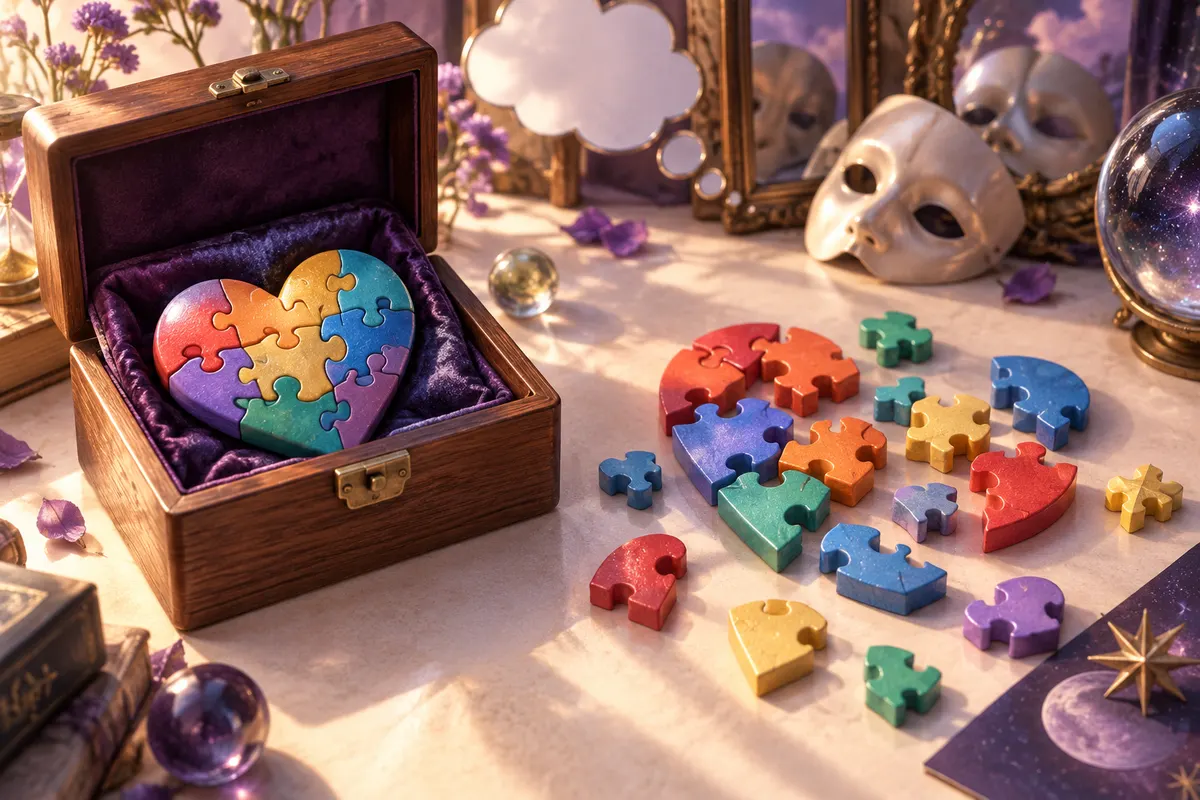
ゲームは2種類。片方は、作ったハートが箱にしまわれる。もう片方は、作ったハートがバラバラにされる。
ポイントは、しまわれたハートが「いつまで残るか」「あとで見られるか」は何も説明していないこと。意味としてはほぼゼロに近い、ごく小さな「残る」です。
それでも、どちらのゲームをしたいか聞くと、子どもの約8割、大人の8〜9割が「しまわれる方」を選びました。年齢による差もほとんどありませんでした。
02シール1枚を払ってでも「残したい」
次の研究では、ゲームにシール1枚の“料金”をつけました。ふだんは子どもも大人も、当然タダの方を選びます。
ところが、作品が残るのは有料の方だけにすると、タダを選ぶ子どもは85%から50%に、大人は89%から62%に下がりました。シールを払ってでも、残る方を選ぶ人が増えたのです。
おもしろいのは、パズルが勝手に動くアニメを見るだけの場合。こちらは「残るかどうか」で選び方がほとんど変わりませんでした。大事なのは「物が残ること」ではなく、自分が作ったものが残ることだったわけです。
これは、自分で組み立てた物を高く評価してしまう「IKEA効果」ともつながる話です。
03壊されるなら「楽な方」を選ぶ
3つ目の研究では、ハートをちゃんと組み立てるか、ピースをそのまま箱に放り込む(楽ちん)かを選ばせました。
作品が残る場合、大人の83%が組み立てる方を選択。ところが「どうせ分解される」と言われると、34%に急落しました。子どもも、残る場合は約8割が組み立てを選び、壊される場合は年齢が上がるほど楽な方に流れました。
04「楽しもう!」はどこまで効く?
砂のお城のように、すぐ消えるものを作るのも楽しいですよね。最後の研究では「このゲームの目的は楽しむこと!」と強調してみました。
すると、組み立てを選ぶ割合は子どもも大人も上がりました。ただし論文によると、作品が残らない条件の“やる気の穴”を完全には埋められなかったそうです。楽しさと「意味」は、別々の燃料のようです。
05まとめ
作品を写真に撮る、名前をつける、誰かに見てもらう。著者たちは、こうしたささいな「残し方」も、意味として働くかもしれないと書いています。
宿題のノートも、部活の記録も、「どこかに残る」と思えれば少しがんばれる。自分や家族の作ったものを、まずはちゃんと見てあげることから始めてみませんか。
この研究を英語で読もう原田英語の English CornerWould you work hard on something if you knew it would be destroyed right away? 音声
音声 4択クイズ9問A2・B1・B2タップして開く
原田英語の English Corner
この研究を英語で読もう
Do you work harder when your work will be kept? Scientists at the University of Chicago studied 604 children aged 4 to 9 and 582 adults. In a game, people made hearts or stars with puzzle pieces.
In one game, the heart was put in a box. In the other game, it was taken apart. Most children and adults chose the game where their heart was kept.
67 words ・ CEFR A2
和訳を見る
自分の作品が取っておかれるとき、あなたはもっとがんばりますか。シカゴ大学の科学者たちは、4〜9歳の子ども604人と大人582人を調べました。あるゲームで、人々はパズルのピースでハートや星を作りました。
一方のゲームでは、ハートは箱にしまわれました。もう一方のゲームでは、バラバラにされました。ほとんどの子どもと大人は、ハートが取っておかれるゲームを選びました。
4択リーディングクイズ
Q1. What is the passage mainly about?
第1文の問いと、ほとんどの人が作品が残るゲームを選んだ結果から A。
Q2. How old were the children in the study?
604 children aged 4 to 9 とあるので D。
Q3. In this passage, "taken apart" means ...
take apart は「分解する、バラバラにする」。箱にしまう方と対比されているので B。
Would you work hard on something if you knew it would be destroyed right away? Researchers at the University of Chicago ran four online studies with 604 children aged four to nine and 582 adults. Participants chose between games in which they built hearts or stars from puzzle pieces. In one version, the finished shape was saved in a box; in the other, it was broken apart.
About 80 percent of children and 80 to 90 percent of adults chose the version where their work was saved. More people were even willing to pay a sticker to keep their work. The study, published in Psychological Science, suggests that even a tiny sense of meaning can motivate people.
117 words ・ CEFR B1
和訳を見る
すぐに壊されると分かっていたら、あなたは何かを一生けんめい作るでしょうか。シカゴ大学の研究者たちは、4〜9歳の子ども604人と大人582人を対象に、4つのオンライン研究を行いました。参加者は、パズルのピースでハートや星を作るゲームの中から選びました。一方では完成した形が箱に保存され、もう一方ではバラバラにされました。
子どもの約80%と大人の80〜90%が、作品が保存される方を選びました。作品を残すためなら、シールを1枚払ってもよいと考える人も増えました。『Psychological Science』に発表されたこの研究は、ごく小さな「意味」でも人をやる気にさせうることを示唆しています。
4択リーディングクイズ
Q1. What did participants build in the games?
they built hearts or stars from puzzle pieces とあるので C。
Q2. About what percentage of children chose the version where their work was saved?
About 80 percent of children ... chose the version where their work was saved とあるので B。
Q3. What is the main message of the study?
最終文 even a tiny sense of meaning can motivate people が研究のメッセージなので D。子どもと大人に大きな差はなかった。
Psychologists have long argued that people need a sense of meaning. Researchers at the University of Chicago asked a smaller question. How little meaning is enough to matter? In four studies published in Psychological Science, they gave a simple puzzle game to 604 children aged four to nine and 582 adults, all of them American and all playing brief online versions.
Participants assembled hearts or stars. In one version the finished shapes were stored in a box, and in the other they were taken apart. Nobody was told how long stored work would last. Around 80 percent of children and 80 to 90 percent of adults preferred the game in which their creations were kept.
Then the researchers attached a price of one sticker to the version that saved the work. The share choosing the free game dropped from 85 to 50 percent among children and from 89 to 62 percent among adults. The preference largely vanished when participants merely watched puzzles assemble themselves, so what counted was preserving their own work. Emphasizing how fun the game was increased effort but did not fully close the gap.
187 words ・ CEFR B2
和訳を見る
心理学者たちは長い間、人には「意味」の感覚が必要だと論じてきました。シカゴ大学の研究者たちは、もっと小さな問いを立てました。どれほど小さな意味でも効果があるのでしょうか。『Psychological Science』に発表された4つの研究で、彼らは4〜9歳の子ども604人と大人582人に簡単なパズルゲームをしてもらいました。参加者は全員アメリカ人で、全員が短いオンライン版で遊びました。
参加者はハートや星を組み立てました。一方のバージョンでは完成した形は箱にしまわれ、もう一方では分解されました。しまった作品がどれくらい残るかは、誰にも知らされていませんでした。子どもの約80%と大人の80〜90%が、作品が残るゲームを好みました。
次に研究者たちは、作品が残るバージョンにシール1枚の料金をつけました。すると、無料のゲームを選ぶ割合は、子どもで85%から50%に、大人で89%から62%に下がりました。参加者がパズルが勝手に組み上がるのを見るだけの場合は、この好みはほぼ消えました。つまり、大事だったのは自分自身の作品が残ることだったのです。ゲームの楽しさを強調すると努力は増えましたが、差を完全には埋めませんでした。
4択リーディングクイズ
Q1. What question does the study address?
How little meaning is enough to matter? が研究の問いなので A。
Q2. What happened when participants only watched puzzles assemble themselves?
The preference largely vanished when participants merely watched puzzles assemble themselves とあるので C。
Q3. Which of the following is a limitation of the study?
all of them American and all playing brief online versions とあり、参加者や課題の範囲が限られているので A。
重要単語
- motivateB2動詞やる気にさせる、動機づけるGood feedback can motivate students.
 名詞 motivation、形容詞 motivated。be motivated to do「~する意欲がある」。
 - meaningA2名詞意味、意義Helping others gives my life meaning. 「語の意味」だけでなく「生きがい・意義」も表す。meaningful「意義のある」。
- take apartB1句動詞分解するHe took the old radio apart. 目的語が代名詞なら take it apart の語順。反対は put together「組み立てる」。
- assembleB2動詞組み立てる、集めるIt took an hour to assemble the shelf. 名詞 assembly(組み立て、集会)。assembly line「組み立てライン」。
- preserveB2動詞保存する、守るWe should preserve old buildings. pre-(前もって)+serve(守る)。名詞 preservation。preservative は「保存料」。
- emphasizeB2動詞強調するThe teacher emphasized the importance of sleep. 名詞 emphasis(put emphasis on ~「~を重視する」)。英つづりは emphasise。
- shareB2名詞割合、取り分The share of students who walk to school is rising. 動詞「共有する」でおなじみだが、名詞の「割合・シェア」も論説文で頻出。
 入試に出る順の単語帳を印刷する →
 全5561語の「科学英単語カード」で復習する →
 この話題を TED で聞く
同じテーマの TED・TED-Ed を、 TED HACK で。英語の見どころ・使える表現・学習ミッションつきの日本語ガイドです。(運営:原田英語)


 公式・一次情報をチェック
このネタ、誰かに教えたくなった?
作った作品が「箱にしまわれる」か「すぐ分解される」か。違いはそれだけなのに、4〜9歳の子どもも大人も、残る方の活動を強く選んだらしい。見るだけでは効かず、自分で作るときに特有。部活や勉強のやる気にも通じそう。
押すと「マジかリスト」に保存されます
 出典・参考文献(4件)タップで表示
- Liu & Yang (2026) Moved by the Lightest Touch of Meaning: Even Minimal Significance Matters for Motivation From Childhood, Psychological Sciencedoi.org
- Association for Psychological Science: It's the Small Things: Treating Something as Even Slightly Significant Affects Motivationpsychologicalscience.org
- Ariely et al. (2008) Man's search for meaning: The case of Legos, Journal of Economic Behavior & Organizationdoi.org
- Marsh et al. (2018) When and how does labour lead to love? The ontogeny and mechanisms of the IKEA effect, Cognitiondoi.org

※本記事は上記の研究・公開資料をもとに、原田英語が独自の言葉で解説したものです。引用は著作権法第32条の範囲で行い、出典を明記しています。画像はすべてオリジナルのイメージです。研究結果には限界や個人差があります。誤りのご指摘は原田英語のお問い合わせフォームから。
 これも「マジか!?」
 心理学
心理学
囲碁の達人は、知能テストの点がアマチュアより低かった。ただし教育歴をそろえると差は「有意」でなくなった

 心理学
心理学
AI要約のたった1か所のウソで、見たはずの記憶がぐらつく。正答率84%→45%
 心理学
心理学
有名人への憧れが強い人ほど「権威を敬い、伝統を重んじる」傾向。推し活にも当てはまる?
 心理学
心理学
猫が多い国ほど幸福度が高く、猫の寄生虫の感染が多い国ほど低かった【93か国】
 心理学
心理学
スマホ時間は「長さ」より「ムラ」に注目? 12研究・約3000人のアプリ記録が示したこと
 心理学
心理学