心理学ホント
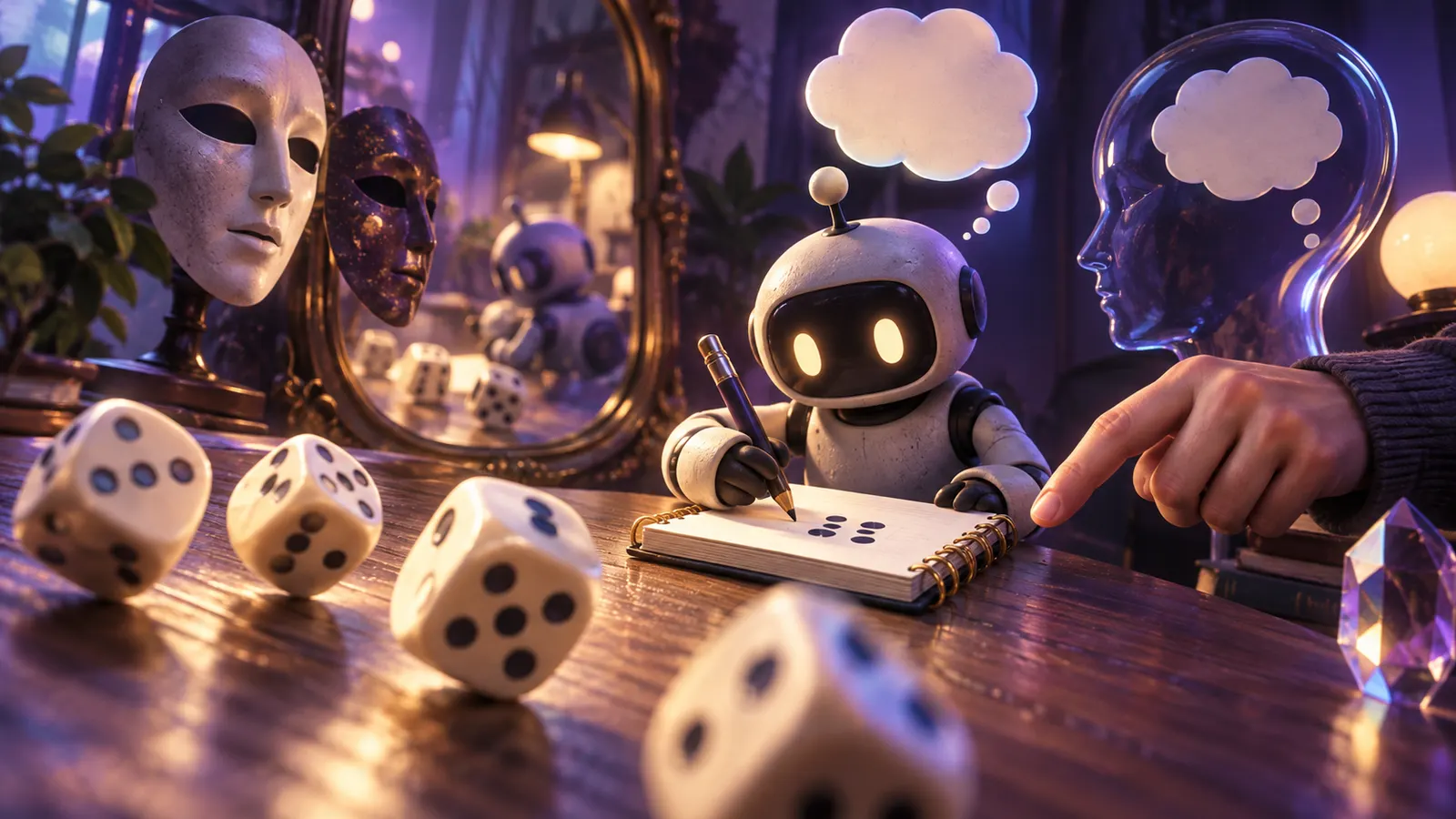
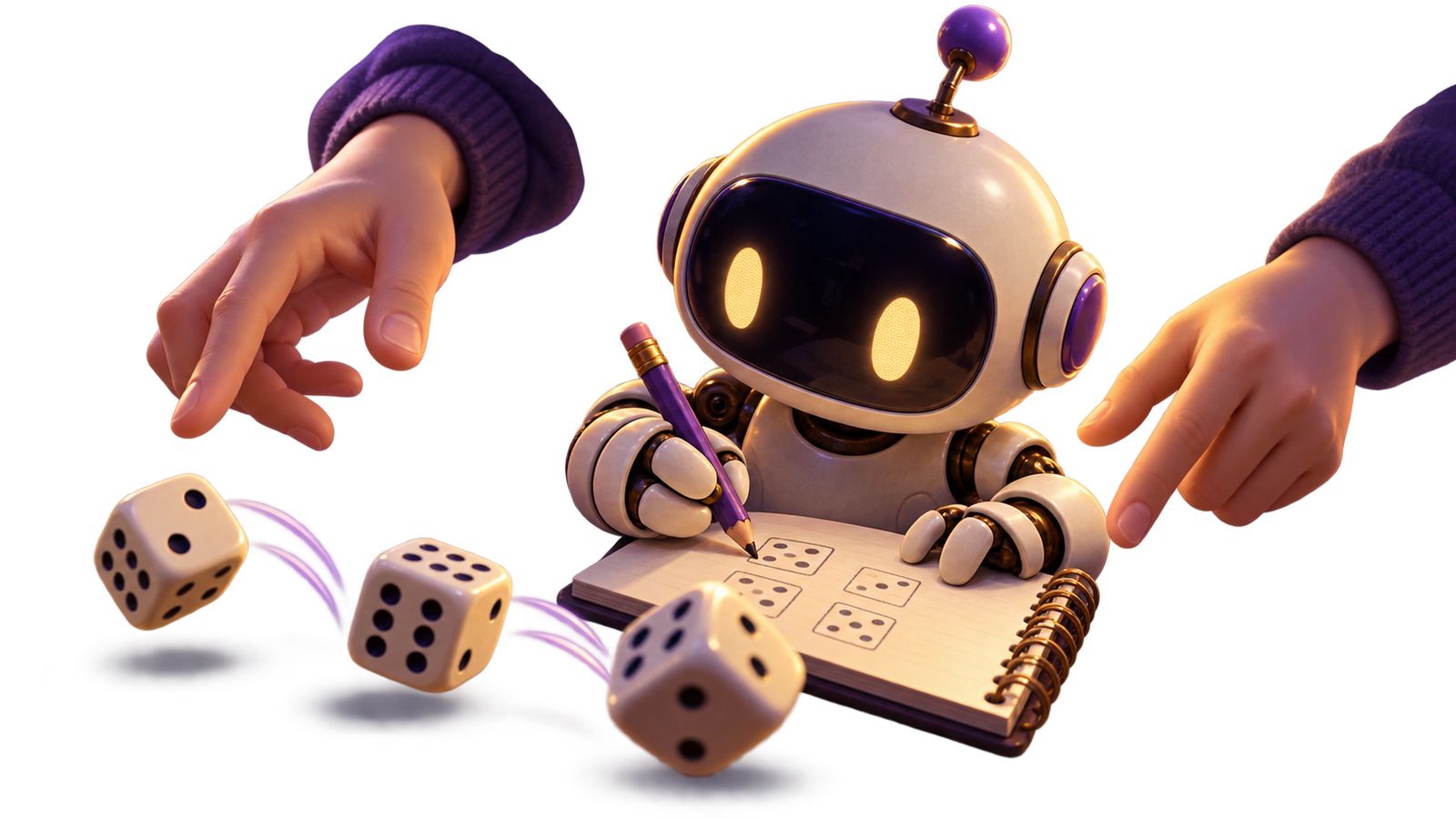
AI要約のたった1か所のウソで、見たはずの記憶がぐらつく。正答率84%→45%
 2026.10.02
 English Corner(A2〜B2・4択クイズ)
 読む前に予想してみよう!
「これはAIが書いた要約です」と知っていれば、要約の間違いに記憶はだまされにくい
AI作と伝えても人間作と伝えても、記憶のゆがみ方はほぼ同じだった(査読前の研究)。
 研究カード(どんな研究?)
- 対象
- 米国の成人(オンライン)
- 規模
- 328人+AI要約20本
- 研究の種類
- ランダム化実験・査読前プレプリント
- 確かさ
- ★★☆☆☆
事故動画を見た翌日、AI要約を読ませると、標識を1か所だけ誤った要約を読んだ人は正答率45%に。正しい要約なら84%だった(査読前)。
ひとことで言うとAIのまちがった要約を読むと、自分で見たことの記憶までまちがえやすくなる!
長い会議も、事件の映像も、AIが数秒でまとめてくれる時代。でも、その要約がちょっとだけ間違っていたら?
「自分の目で見たんだから、要約がおかしければ気づくでしょ」。そう思いますよね。ところが、気づくどころか、自分の記憶のほうが書き換わってしまうかもしれない、という実験結果が出ました。
2026年9月、米ジョージタウン大学とワシントン大学の研究チームが、論文の公開サイトarXiv(アーカイブ)に発表しました。まだ専門家の査読を受けていないプレプリント(査読前論文)です。アメリカの成人328人が参加した実験と、AIが書いた要約20本の分析をまとめています。
01AIは「一番大事な場面」を書き忘れた
使った動画は、記憶研究で定番の場面をアニメで再現したもの。赤い車が交差点を曲がり、歩いてきた人とぶつかって、歩行者が倒れ、やがて起き上がります。
標識だけが違う2本の動画を、2つのAIにそれぞれ5回ずつ要約させたところ、20本すべてに誤りがありました。チームが選んだ19個の重要な出来事のうち、平均51.6%が要約から抜け落ちていたのです。
驚くのは、20本中19本(95%)が、いちばん肝心な「車が歩行者にぶつかった」ことを書いていなかったこと。動画にない車や人、不自然な動きなどを付け足す“でっちあげ”も、6割の要約に見つかりました。
02標識を1つ変えるだけで、記憶が揺らぐ
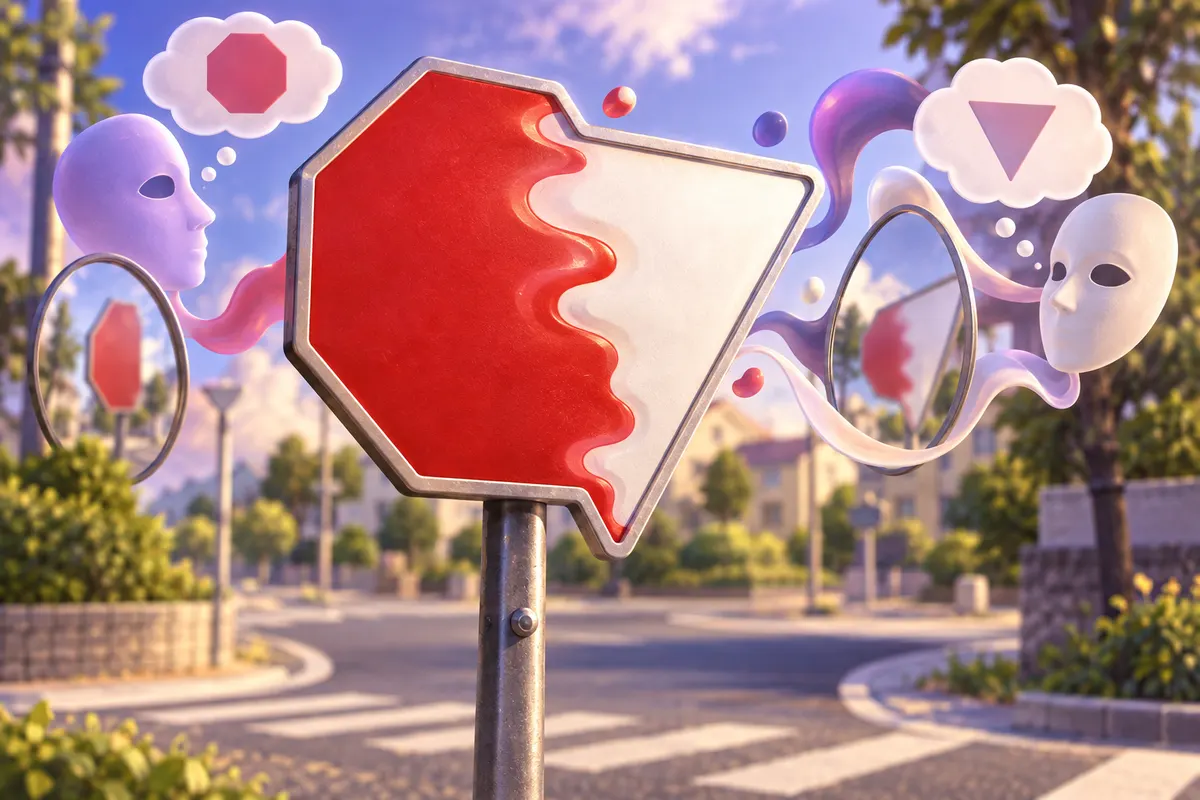
次は人間の番です。参加者は、交差点に「止まれ」か「ゆずれ」の標識がある動画を見ました。そして24〜48時間後、ChatGPTが作った要約を読みます。
要約は、標識の部分だけが「動画どおり」か「動画と逆」になっていました。そのあと「車が止まった交差点の標識はどっちだった?」と聞くと――
- 正しい要約を読んだ人の正答率:83.6%
- 間違った要約を読んだ人の正答率:44.8%
二択なので、45%は当てずっぽう(50%)をやや下回る数字です。要約の1か所のウソが、自分の目で見た記憶を上書きしてしまったわけです。
03「AIが書いた」と知っていても、だまされた
チームは要約の書き手も操作しました。半分の人には「AIソフトが書いた」、残りには「プロの人間が書いた」と伝えたのです(中身は同じ)。
結果、だまされ方はほぼ同じでした。間違った要約での正答率は、AI表示で46.3%、人間表示で43.4%。さらに、AIをどれだけ信頼しているか、どれだけ使っているかも、だまされやすさとは関係が見られませんでした。
一方、要約に出てこない「事故は昼か夜か」には96.6%が正解。動画そのものは、ちゃんと覚えていたのです。
0450年前から知られていた「記憶のすり替え」
後から入った情報で記憶が変わる現象は「誤情報効果」と呼ばれます。心理学者ロフタス(Elizabeth Loftus)さんたちは1970年代、質問で「激突した」と言うか「ぶつかった」と言うかだけで、車の速さの記憶が変わることを示しました(くわしくはこちらの記事)。
今回の研究は、その古典的な現象がAIの要約でも起きることを示した形です。
05まとめ
「AIの間違いは、人間が最後に確認すれば大丈夫」という考え方。でもこの研究は、チェックするはずの人間の記憶のほうが書き換わる可能性を示しました。
大事な出来事ほど、要約より先に、元の映像や記録を自分で確かめる。AI時代の記憶の守り方として、覚えておいて損はなさそうです。
この研究を英語で読もう原田英語の English CornerResearchers from Georgetown University and the University of Washington wanted to know how AI summaries… 音声
音声 4択クイズ9問A2・B1・B2タップして開く
原田英語の English Corner
この研究を英語で読もう
Can an AI summary change your memory? In a new study, 328 adults in the United States watched a short video of a car accident. One day later, they read a summary written by ChatGPT.
For some people, one detail in the summary was wrong. These people often remembered the wrong detail. Only about 45% of them answered correctly. This study has not been checked by other experts yet.
69 words ・ CEFR A2
和訳を見る
AIの要約は、あなたの記憶を変えてしまうのでしょうか。新しい研究で、アメリカの成人328人が自動車事故の短い動画を見ました。1日後、彼らはChatGPTが書いた要約を読みました。
一部の人にとっては、要約の中の1つの細かい点が間違っていました。その人たちは、間違った内容を覚えていることが多くありました。正しく答えられたのは、約45%だけでした。この研究は、まだほかの専門家によるチェックを受けていません。
4択リーディングクイズ
Q1. What is the passage mainly about?
第1文 Can an AI summary change your memory? がテーマで、間違った要約を読んだ人が誤って覚えた話なので D。
Q2. When did people read the summary?
One day later, they read a summary とあるので A。
Q3. In this passage, "detail" means ...
detail は「細かい点、細部」。要約の中の1か所の情報のことなので C。
Researchers from Georgetown University and the University of Washington wanted to know how AI summaries affect memory. Their study is a preprint, so other experts have not reviewed it yet. In an online experiment, 328 American adults watched a 25-second animated video of a car accident at an intersection.
The intersection had either a stop sign or a yield sign. A day later, everyone read a ChatGPT summary of the video. Some summaries described the sign correctly, and others got it wrong.
People who read a correct summary answered the sign question correctly 83.6% of the time. For those who read a wrong one, the figure fell to 44.8%. Telling people that an AI had written the summary did not protect their memory at all.
125 words ・ CEFR B1
和訳を見る
ジョージタウン大学とワシントン大学の研究者たちは、AIの要約が記憶にどう影響するかを知りたいと考えました。この研究はプレプリントなので、ほかの専門家による審査はまだ受けていません。オンライン実験で、アメリカの成人328人が、交差点での自動車事故を描いた25秒のアニメ動画を見ました。
交差点には「止まれ」か「ゆずれ」のどちらかの標識がありました。1日後、全員が動画についてのChatGPTの要約を読みました。標識を正しく説明している要約もあれば、間違えている要約もありました。
正しい要約を読んだ人は、標識の質問に83.6%の割合で正しく答えました。間違った要約を読んだ人では、その数字は44.8%に下がりました。要約を書いたのはAIだと伝えても、人々の記憶はまったく守られませんでした。
4択リーディングクイズ
Q1. What did the researchers want to test?
第1文 wanted to know how AI summaries affect memory とあるので B。
Q2. What percentage of people who read the wrong summary answered correctly?
For those who read a wrong one, the figure fell to 44.8%. とあるので C。83.6% は正しい要約の場合。
Q3. What does the word "preprint" tell us about the study?
Their study is a preprint, so other experts have not reviewed it yet. から、専門家の正式な審査(査読)前だと分かるので A。
Many people assume that if an AI summary contains an error, they will notice it, especially if they witnessed the event themselves. A preprint by researchers at Georgetown University and the University of Washington challenges this assumption. First, the team asked ChatGPT and Gemini to summarize two 25-second animated videos of a car hitting a pedestrian. All 20 summaries contained errors, and 19 of them failed to mention the collision itself.
Next, 328 U.S. adults watched a version of the video showing either a stop sign or a yield sign and, one to two days later, read a summary that described the sign correctly or incorrectly. Accuracy dropped from 83.6% with the correct summary to 44.8% with the incorrect one, which is slightly under the 50% chance level for a two-choice question.
Whether the summary was labeled as written by AI or by a professional made little difference. These findings echo the classic misinformation effect studied by Elizabeth Loftus. However, the work has not been peer-reviewed, the video was short and simple, and only one detail was manipulated, so real-world effects may differ.
183 words ・ CEFR B2
和訳を見る
多くの人は、AIの要約に誤りがあれば、特にその出来事を自分で目撃していれば、気づくはずだと思い込んでいます。ジョージタウン大学とワシントン大学の研究者によるプレプリントは、この思い込みに疑問を投げかけています。まずチームは、ChatGPTとGeminiに、車が歩行者にぶつかる25秒のアニメ動画2本を要約させました。20本の要約すべてに誤りがあり、そのうち19本は衝突そのものに触れていませんでした。
次に、アメリカの成人328人が、「止まれ」か「ゆずれ」の標識が映った動画を見て、1〜2日後に、標識を正しく、または誤って説明した要約を読みました。正答率は、正しい要約で83.6%だったのが、誤った要約では44.8%に下がりました。これは二択の質問としては偶然の水準(50%)をやや下回ります。
要約がAIによるものと表示されても、プロの人間によるものと表示されても、ほとんど差はありませんでした。この結果は、エリザベス・ロフタスが研究した古典的な誤情報効果を思い起こさせます。ただし、この研究は査読を受けておらず、動画は短くシンプルで、操作された細部は1つだけだったため、現実世界での効果は異なるかもしれません。
4択リーディングクイズ
Q1. What assumption does the study challenge?
第1文の思い込み(自分で見た出来事なら要約の誤りに気づく)を、第2文で challenges this assumption としているので D。
Q2. How did labeling the summary as written by AI affect the results?
Whether the summary was labeled as written by AI or by a professional made little difference. とあるので B。
Q3. Why does the author say real-world effects may differ?
最終文 the video was short and simple, and only one detail was manipulated, so real-world effects may differ が根拠なので A。
重要単語
- summaryB1名詞要約Please write a short summary of the article.
 動詞は summarize。in summary「要するに」は論説文のまとめの合図。
 - detailA2名詞細部、詳細She remembered every detail of the trip. in detail「詳しく」が頻出。details と複数形で「詳細情報」。
- witnessB2動詞・名詞目撃する/目撃者Several people witnessed the accident. eyewitness「目撃者」。witness testimony「目撃証言」は記憶研究の定番テーマ。
- misinformationB2名詞誤情報Misinformation can spread quickly online. mis-(誤って)+information。意図的な偽情報は disinformation と区別する。
- peer-reviewedC1形容詞査読済みのLook for peer-reviewed studies when you check facts. peer(同じ分野の専門家)による review(審査)。preprint「査読前論文」と対で覚える。
- accuracyB2名詞正確さ、正答率The accuracy of the test was very high. 形容詞 accurate。反対は inaccuracy / inaccurate。
- pedestrianB2名詞歩行者The driver stopped to let a pedestrian cross. ped(足)が語源。pedestrian crossing「横断歩道」。形容詞で「平凡な」の意味もある。
 入試に出る順の単語帳を印刷する →
 全5561語の「科学英単語カード」で復習する →
 4コマでわかる
このネタ、誰かに教えたくなった?
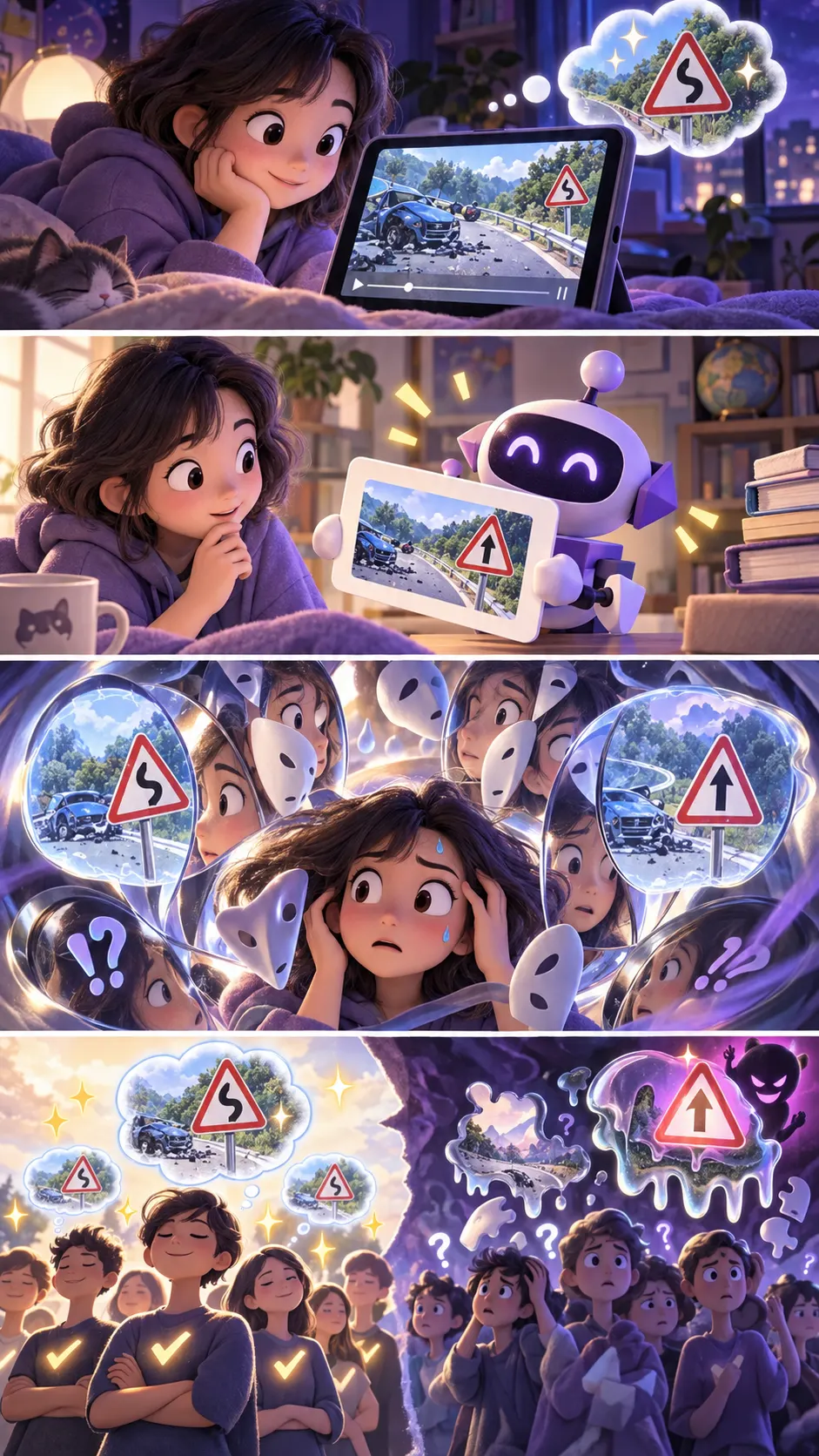
事故のアニメ動画を見た翌日、AIが書いた要約を読んでもらう実験。交通標識を1か所だけ間違えた要約を読んだ人は、正答率が45%に(正しい要約なら84%)。「AIが書いた」と伝えても効果は同じだったらしい。※査読前の研究
押すと「マジかリスト」に保存されます
 出典・参考文献(3件)タップで表示
- Sim et al. (2026) AI-Enabled Human Memory Manipulation: Misleading AI-Generated Summaries Distort Human Memory, arXiv(査読前)doi.org
- Loftus et al. (1978) Semantic integration of verbal information into a visual memory, Journal of Experimental Psychology: Human Learning and Memorydoi.org
- Loftus & Palmer (1974) Reconstruction of automobile destruction: An example of the interaction between language and memory, Journal of Verbal Learning and Verbal Behaviordoi.org

※本記事は上記の研究・公開資料をもとに、原田英語が独自の言葉で解説したものです。引用は著作権法第32条の範囲で行い、出典を明記しています。画像はすべてオリジナルのイメージです。研究結果には限界や個人差があります。誤りのご指摘は原田英語のお問い合わせフォームから。