

 動物・植物ビミョー
「緑を40秒見るだけで集中力が戻る」実験、そのあと追試したらどうなった?
 2026.10.02
 English Corner(A2〜B2・4択クイズ)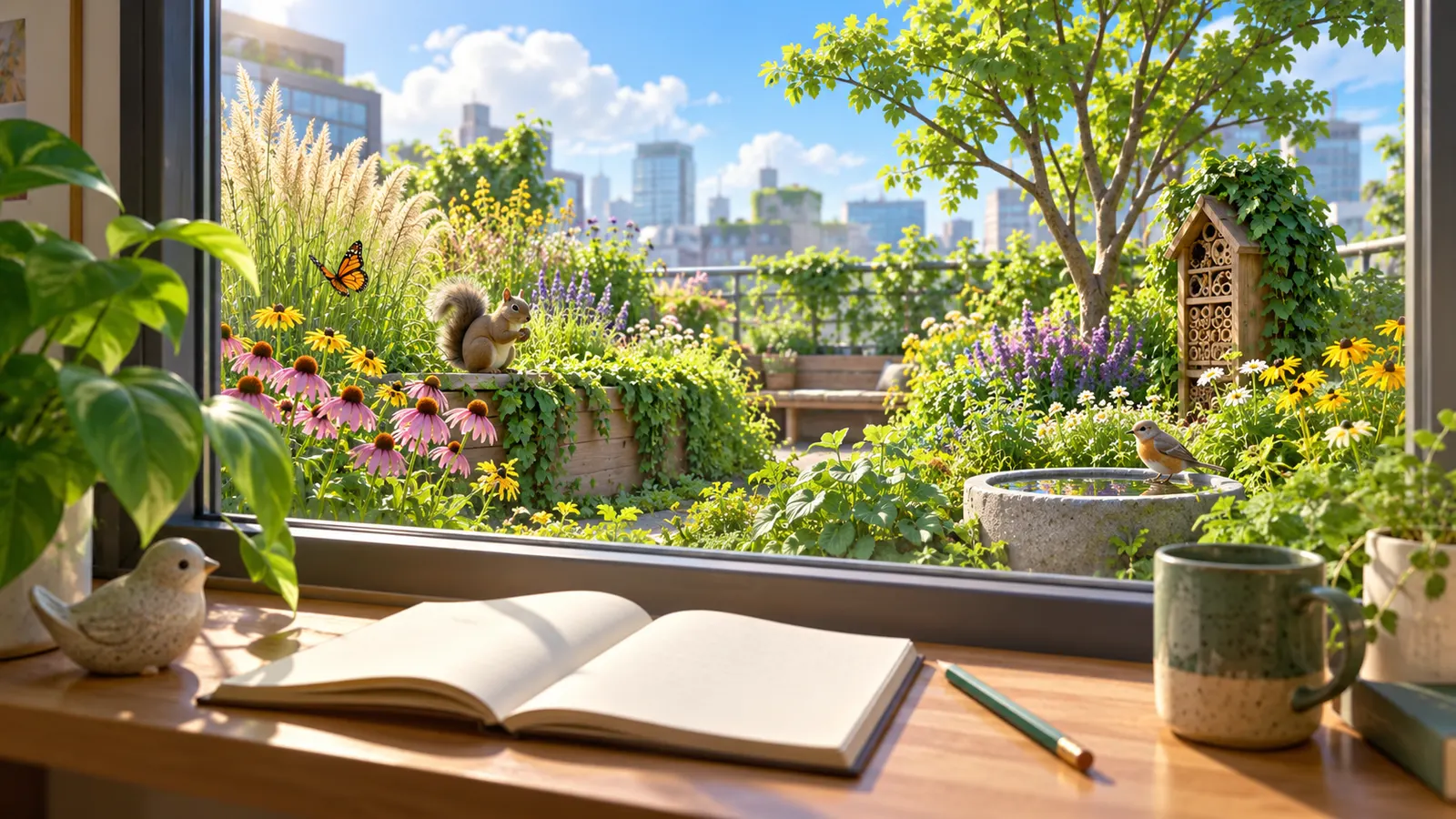
 読む前に予想してみよう!
2015年の研究では、緑の屋上の写真を40秒見た学生は、コンクリートの屋上を見た学生より集中力テストのミスが少なかった
150人の大学生の実験で、緑の屋上を見たグループは見落としミスが少なかった。
 研究カード(どんな研究?)
- 対象
- 大学生
- 規模
- 150人(元研究)/追試254人/メタ分析80研究
- 研究の種類
- ランダム化実験+メタ分析
- 確かさ
- ★★★☆☆
2015年、緑の屋上の写真を40秒見た学生はミスが減った。ただ追試では差が出ない例もあり、効果は小さめで条件しだい。
ひとことで言うと緑を見ると頭がスッキリするかも。でも40秒で魔法みたいには効かないかも!
勉強や仕事で頭がボーッとしてきたとき、窓の外の木を眺めると、なんだか少しスッキリする。
そんな感覚を、実験で確かめた研究があります。しかも、緑を見た時間はたったの40秒。
「それだけで集中力が戻るなら最高!」——と言いたいところですが、この話には続きがあります。
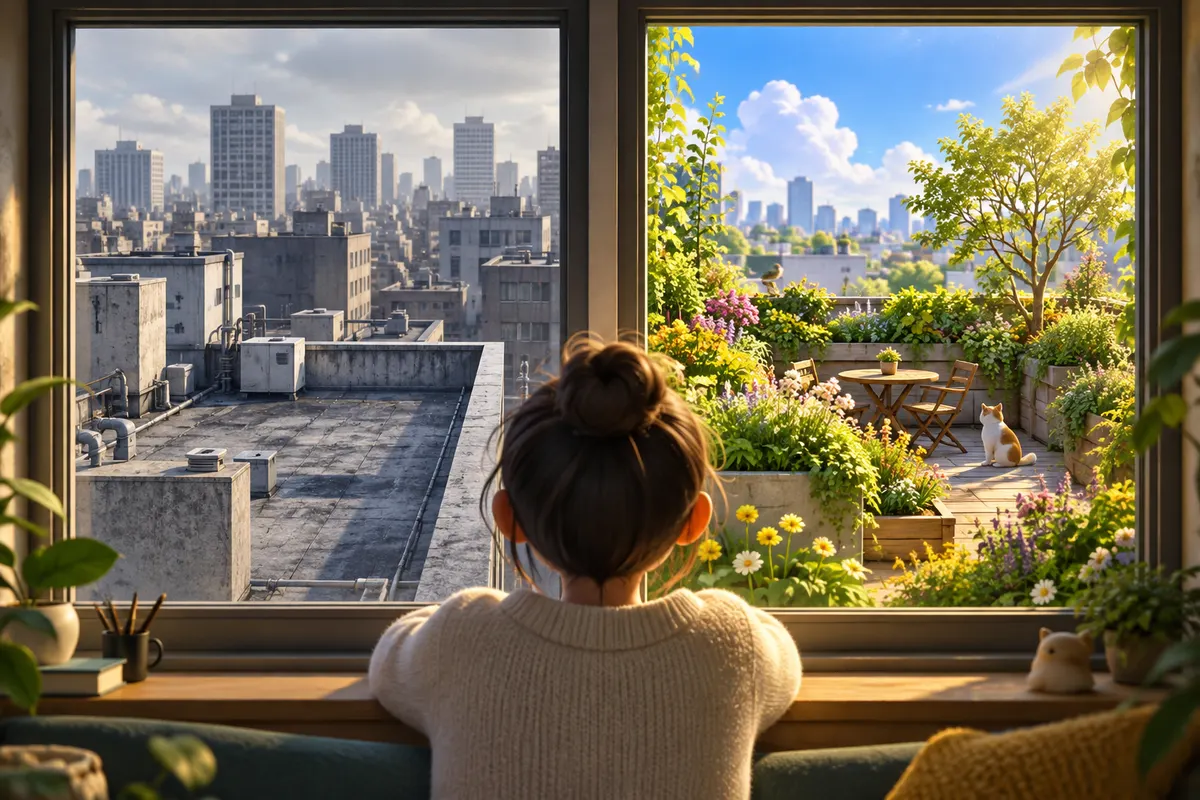
01緑の屋上を40秒見たら、ミスが減った
使われたテストは、画面に次々と出る数字を見て、特定の数字のときだけボタンを押さない、というもの。単純だけど、気をゆるめるとすぐミスが出る、集中力の持続を測るテストです。
この研究の背景には、注意回復理論という考え方があります。アメリカの心理学者カプラン夫妻が提案したもので、ざっくり言うと「勉強や仕事のように意識して集中する力は使うと疲れるけれど、自然の景色は"がんばらずに"目を引くので、その間に集中力の燃料が回復する」という理論です。
02追試してみたら、差が出なかった
ところが科学では、一つの研究だけでは結論を出しません。別の人が同じような実験をしても同じ結果が出るか(再現できるか)が大切です。
2022年に『Frontiers in Psychology』に載った研究(Johnson ら)では、2つの実験で合わせて250人ほど(68人と186人)に、同じタイプの集中力テストと40秒間の画像鑑賞を組み合わせました。見せたのは、草原、海、都会の画像です。
結果は意外なものでした。草原や海の画像を見た人は「気分が回復した」と感じてはいたものの、テストの成績そのものには差が出なかったのです。
03まとめて分析すると「効果は小さめ」
つまり、「自然は頭の回復に役立つ」という大きな方向性は支持されつつも、40秒という超短時間の効果は、まだ不確かというのが今の状況です。
04スマホを見たら、緑の効果は台無し?
もう一つ、気になる研究があります。2018年の研究(Jiang ら、81人)では、緑の多い場所で休憩しても、その間ノートパソコンを使っていると、集中力の回復効果がかなり打ち消されてしまいました。
せっかく窓の外に木があっても、休憩中ずっとスマホを見ていたら、もったいないかもしれません。
05まとめ
「緑を40秒見るとミスが減った」という研究はホント。でも追試では差が出なかった例もあり、効果は小さく条件しだい、というビミョーな話でした。
それでも、窓の外の緑に目をやるのはタダで、副作用もありません。疲れたら、スマホではなく空と木を見てみる。そんな小さな習慣から始めてみませんか。
この研究を英語で読もう原田英語の English CornerCan looking at nature for just 40 seconds help you concentrate? 音声
音声 4択クイズ9問A2・B1・B2タップして開く
原田英語の English Corner
この研究を英語で読もう
In a 2015 study, 150 university students took a test that measured attention. Then they rested for 40 seconds. Half of them looked at a picture of a green roof with flowers.
The other half looked at a concrete roof. The green roof group made fewer mistakes on the next test. But later studies did not always find the same result. The effect may be small.
66 words ・ CEFR A2
和訳を見る
2015年の研究で、150人の大学生が注意力を測るテストを受けました。それから40秒間休みました。半分の人は、花が咲く緑の屋上の写真を見ました。
残りの半分はコンクリートの屋上を見ました。緑の屋上を見たグループは、次のテストでミスが少なくなりました。しかし、その後の研究では、いつも同じ結果が出たわけではありませんでした。効果は小さいのかもしれません。
4択リーディングクイズ
Q1. What is the passage mainly about?
40秒緑を見ると注意力テストのミスが減るか、という研究の話なので A。
Q2. How long did the students rest?
Then they rested for 40 seconds. とあるので D。
Q3. In this passage, "mistakes" are ...
made fewer mistakes は「ミスが少なかった」。mistake は「誤り」なので B。
Can looking at nature for just 40 seconds help you concentrate? In a 2015 study in Australia, 150 university students did an attention test, took a 40-second break looking at either a green roof or a concrete roof, and then did the test again. Those who saw the green roof made fewer errors.
However, in 2022, another team tested about 250 people in a similar way. People who saw meadow or sea pictures felt refreshed, but their test scores did not improve. A 2025 meta-analysis found that contact with nature has a real but small effect on attention, and the effect was largest after about 30 minutes.
107 words ・ CEFR B1
和訳を見る
自然をたった40秒見るだけで集中できるようになるのでしょうか。2015年のオーストラリアの研究では、150人の大学生が注意力テストを受け、緑の屋上かコンクリートの屋上のどちらかを見ながら40秒休憩し、もう一度テストを受けました。緑の屋上を見た人たちはミスが少なくなりました。
しかし2022年、別のチームが約250人を対象に同じような方法で調べました。草原や海の写真を見た人はスッキリしたと感じましたが、テストの点数は上がりませんでした。2025年のメタ分析では、自然とふれあうことは注意力に対して本物だが小さな効果があり、その効果は約30分ふれたときに最も大きいことがわかりました。
4択リーディングクイズ
Q1. What is the main idea of the passage?
2015年の結果は追試で再現されず、メタ分析では効果は小さいとあるので C。always が誤りなので A は不正解。
Q2. What happened in the 2022 study?
felt refreshed, but their test scores did not improve とあるので A。
Q3. Based on the passage, which break is most likely to help attention?
メタ分析で the effect was largest after about 30 minutes とあるので D と推測できる。
In 2015, Kate Lee and colleagues at the University of Melbourne gave 150 students a task that demanded sustained attention. Partway through, they took a 40-second micro-break, looking at a picture of a roof. Some saw bare concrete, others a green roof covered in flowers. In the second round of the task, the green-roof group made fewer errors and responded more consistently. The result spread widely as proof that 40 seconds of greenery can restore concentration. It also fit attention restoration theory, which holds that nature captures attention effortlessly, letting our capacity for deliberate focus recover.
Later work has been less encouraging. A 2022 study ran two experiments with about 250 participants in total. Views of meadows and water made people feel restored, but their performance on the task did not improve. A 2025 meta-analysis of 80 studies found only a modest benefit of nature for attention, with considerable variation between studies, and the effects peaked at around 30 minutes of exposure.
Another study found that using a laptop during a break in green surroundings largely canceled out the benefit. Half an hour outdoors with the screen closed looks like a better bet than a 40-second glance.
197 words ・ CEFR B2
和訳を見る
2015年、メルボルン大学のケイト・リーらは、150人の学生に注意を持続させる必要のある課題を行わせました。途中で学生たちは、屋上の写真を見る40秒の「マイクロ休憩」をとりました。むき出しのコンクリートの屋上を見た学生もいれば、花に覆われた緑の屋上を見た学生もいました。2回目の課題では、緑の屋上のグループのほうがミスが少なく、反応も安定していました。この結果は、緑を40秒見るだけで集中力が回復するという証拠として広く知られるようになりました。また、注意回復理論にも合っていました。この理論は、自然は努力なしに注意を引きつけるので、意識的に集中する力がその間に回復する、と考えるものです。
その後の研究は、それほど心強いものではありませんでした。2022年の研究は、合計約250人が参加した2つの実験を行いました。草原や水辺の景色を見ると人は回復したと感じましたが、課題の成績は向上しませんでした。80研究を対象にした2025年のメタ分析では、自然が注意力にもたらす効果は控えめで、研究間のばらつきも大きく、効果は約30分ふれたときに最大になりました。
また別の研究では、緑の多い環境で休憩してもノートパソコンを使うと、その効果がほぼ打ち消されました。40秒ちらりと見るより、画面を閉じて30分ほど屋外で過ごすほうが有望なようです。
4択リーディングクイズ
Q1. What is the passage mainly about?
2015年の40秒研究と、その後の追試・メタ分析の結果を比べているので B。
Q2. What did the 2022 study find?
Views of meadows and water made people feel restored, but their performance on the task did not improve. とあるので C。主観と成績のズレがポイント。
Q3. Which advice is best supported by the passage?
最終文 Half an hour outdoors with the screen closed looks like a better bet than a 40-second glance. とあるので A。パソコン使用は効果を打ち消すので C は誤り。
重要単語
- attention restorationC1名詞(句)注意の回復Attention restoration theory explains why nature feels refreshing.
 restore(回復させる)の名詞形 restoration。環境心理学の長文で頻出の理論名。
 - micro-breakC1名詞ごく短い休憩Even a 40-second micro-break may help a little. micro-(微小な)+break(休憩)。take a break「休憩する」が基本形。
- replicateC1動詞(実験を)再現する、追試するOther researchers could not replicate the result. replica(複製品)と同語源。名詞 replication。科学の信頼性を論じる長文の必須語。
- sustained attentionC1名詞(句)持続的注意(集中を保つ力)The test measured sustained attention. sustain(持続させる)。sustainable(持続可能な)と同語源。
- meta-analysisC1名詞メタ分析A meta-analysis combines the results of many studies. meta-(より高次の)。多数の研究をまとめて分析する方法で、証拠の強さの上位に位置づけられる。
- modestlyB2副詞控えめに、わずかにNature improves attention only modestly. modest(控えめな、ほどほどの)+-ly。a modest effect「小さな効果」は研究紹介の定番。
- concentrateB1動詞集中するIt is hard to concentrate when you are tired. concentrate on ~「~に集中する」。名詞 concentration は「集中・濃度」。
 入試に出る順の単語帳を印刷する →
 全5561語の「科学英単語カード」で復習する →
 動画でもっと知る
動画は各チャンネルの公式埋め込みで表示しています(YouTube)。
このネタ、誰かに教えたくなった?
「緑の屋上の写真を40秒見ただけで、集中力テストのミスが減った」という2015年の研究。ところが後の追試では差が出なかった例もあるらしい。メタ分析では、効果が大きいのはむしろ30分くらい自然にふれたとき。
押すと「マジかリスト」に保存されます
 出典・参考文献(4件)タップで表示
- Lee et al. (2015) 40-second green roof views sustain attention: The role of micro-breaks in attention restoration, Journal of Environmental Psychologydoi.org
- Johnson et al. (2022) Water and Meadow Views Both Afford Perceived but Not Performance-Based Attention Restoration: Results From Two Experimental Studies, Frontiers in Psychologydoi.org
- Bell et al. (2025) The relationship between nature exposures and attention restoration, as moderated by exposure duration: A systematic review and meta-analysis, Journal of Environmental Psychologydoi.org
- Jiang et al. (2018) How to Waste a Break: Using Portable Electronic Devices Substantially Counteracts Attention Enhancement Effects of Green Spaces, Environment and Behaviordoi.org

※本記事は上記の研究・公開資料をもとに、原田英語が独自の言葉で解説したものです。引用は著作権法第32条の範囲で行い、出典を明記しています。画像はすべてオリジナルのイメージです。研究結果には限界や個人差があります。誤りのご指摘は原田英語のお問い合わせフォームから。
 これも「マジか!?」

 動物・植物
動物・植物
「観葉植物で空気がキレイに」は幻想? 換気と同じ効果には1㎡に10〜1000鉢が必要だった

 動物・植物
動物・植物
渡り鳥の目の中には「量子コンパス」が入っているかもしれない
 動物・植物
動物・植物
【立命館の入試に出た】「キスする」タコがいた。30年うわさだけだったパナマの縞模様のタコ
 動物・植物
動物・植物
ラーテルと鳥の「ハチミツ泥棒コンビ」は証拠が薄かった。本当に鳥と組んでいたのは人間だった
 動物・植物
動物・植物
タコの神経の3分の2は「腕」にある。8本の腕がそれぞれ半分自分で動く生き物

 動物・植物
動物・植物