テクノロジー・未来
皮膚の細胞から“万能細胞”へ。iPS細胞の発見から20年、医療はどこまで来た?
 2026.10.02
 English Corner(A2〜B2・4択クイズ)
 読む前に予想してみよう!
iPS細胞は、皮膚や血液などの体の細胞から作ることができる
大人の体細胞にいくつかの遺伝子を入れることで、さまざまな細胞になれる状態に戻せる。
 研究カード(どんな研究?)
- 対象
- パーキンソン病患者ほか
- 規模
- 7人(Kyoto Trial)など少人数の臨床試験
- 研究の種類
- 基礎研究・第I/II相臨床試験
- 確かさ
- ★★★☆☆
2006年に発見されたiPS細胞。2026年3月、パーキンソン病と重い心不全の治療製品が日本で初めて条件・期限付き承認された。効果の確認や費用など課題も残る。
ひとことで言うと皮膚や血の細胞を「何にでもなれる細胞」に戻せる! それがiPS細胞。
私たちの体は、たった1個の受精卵から始まります。その細胞が分かれていくうちに、心臓の細胞、脳の細胞、皮膚の細胞……と、それぞれの役割に決まっていきます。
一度「皮膚の細胞」になったら、もう他の細胞には戻れない――長い間、そう考えられていました。
ところが2006年、日本の研究者がこの常識をひっくり返します。大人の皮膚の細胞を、何にでもなれる状態に“巻き戻す”ことに成功したのです。それがiPS細胞。発見からちょうど20年、医療の現場はどこまで来たのでしょうか。
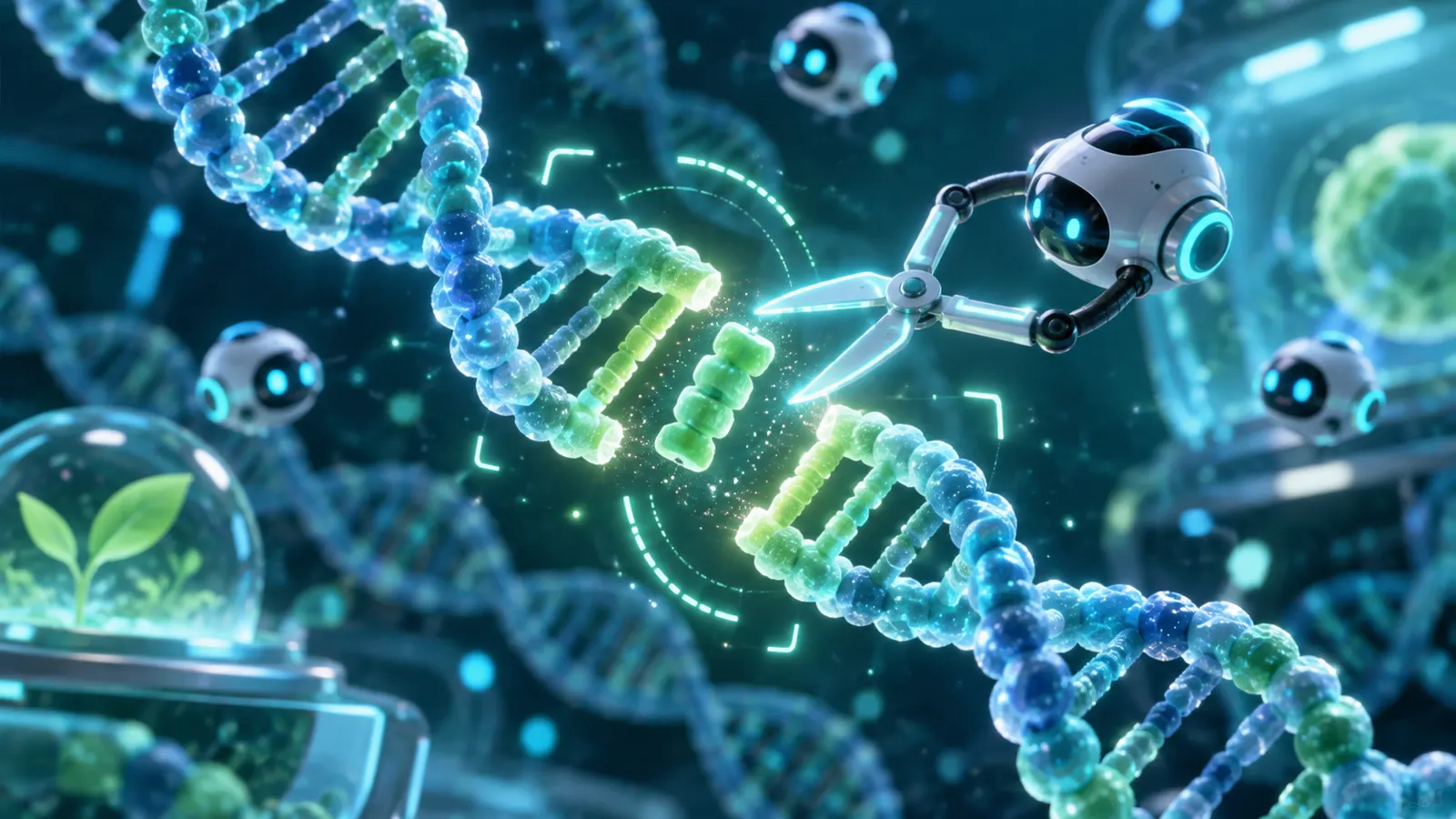
014つの遺伝子で、細胞の時計を巻き戻す
iPS細胞のすごさは、患者さん本人や、提供者の血液などの細胞から作れること。受精卵を使う必要がないため、倫理的な問題が少ないのも大きな特徴です。
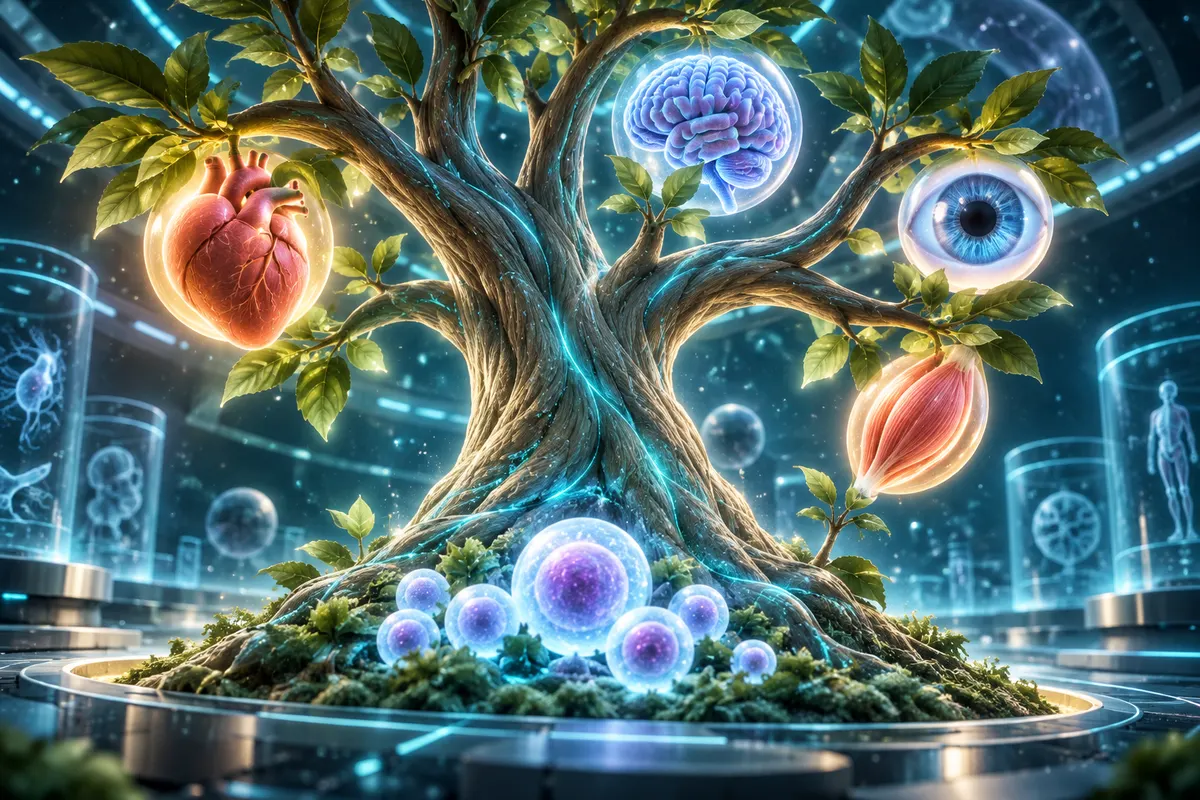
iPS細胞から、目の細胞、神経の細胞、心臓の筋肉の細胞などを作り出し、病気やけがで失われた細胞を補う――これが再生医療のねらいです。
02人への臨床試験が次々と
iPS細胞を使った治療の研究は、日本を中心に人での臨床試験の段階に入っています。
- 目の病気:2014年、理化学研究所などのチームが、加齢黄斑変性という目の病気の患者に、iPS細胞から作った網膜の細胞のシートを移植しました。iPS細胞から作った細胞を人に移植した、世界初の例です
- パーキンソン病:脳の中でドーパミンを作る神経細胞が減っていく病気。京都大学のチームが2018年から臨床試験を始めました
- 心臓病・脊髄損傷・軟骨など、さまざまな分野でも研究が進んでいます
パーキンソン病の臨床試験の結果
2025年、京都大学の Sawamoto らは科学誌 Nature に、パーキンソン病の患者7人の脳に、iPS細胞から作ったドーパミン神経のもとになる細胞を移植した臨床試験の結果を発表しました。移植した細胞は生き残ってドーパミンを作り、腫瘍はできず、重い副作用も見られなかったと報告されています。効果を評価した6人のうち、薬が切れた状態での運動症状のスコアが改善した人は4人でした。
人数が少なく、まだ「安全性を中心に確かめる段階」の試験ですが、大きな一歩です。
2026年、ついに「承認」へ
そして2026年3月、iPS細胞を使った再生医療等製品が、日本で初めて条件及び期限付きで製造販売承認を受けました。住友ファーマのパーキンソン病治療製品と、大阪大学発のベンチャー企業クオリプスの重い心不全の治療製品(iPS細胞から作った心筋の細胞シート)です。
「条件及び期限付き」とは、少人数の試験で安全性が確認され、効果が見込まれる段階で早めに使えるようにし、本当に効くかは発売後に患者さんのデータを集めて確かめるという日本独自のしくみです。期限内に効果を示せなければ、承認が取り消されることもあります(最新の状況は公式発表をご確認ください)。
03まだ残る課題
- 安全性:細胞が意図せずに増えて腫瘍になるリスクを、長い期間にわたって確認する必要がある
- 費用と時間:患者さん一人ひとりの細胞から作ると、莫大な費用と時間がかかる。そこで、拒絶反応が起きにくいタイプの提供者の細胞からあらかじめ作って保存しておく取り組みも進められています
- 効果の確認:本当に効くのかを、より多くの患者さんで確かめる必要がある
04まとめ
iPS細胞は、大人の細胞を“何にでもなれる状態”に巻き戻す、日本発の大発見です。発見から20年で、臨床試験の結果が世界的な科学誌に載り、条件付きながら治療製品が承認されるところまで来ました。
まだゴールではありません。でも、「失われた細胞を自分の体の外で作って補う」という夢は、確実に現実の医療に近づいています。
この研究を英語で読もう原田英語の English CornerFor a long time, scientists believed that once a cell became a skin cell, it could never become anything else. 音声
音声 4択クイズ9問A2・B1・B2タップして開く
原田英語の English Corner
この研究を英語で読もう
In 2006, Japanese scientist Shinya Yamanaka found a way to change skin cells into special cells. These iPS cells can become many kinds of cells, like heart or brain cells.
Doctors hope to use them to replace cells lost to illness. In a small study, seven patients with Parkinson's disease received cells made from iPS cells. In 2026, Japan approved the first iPS cell treatments, but with conditions.
68 words ・ CEFR A2
和訳を見る
2006年、日本の科学者である山中伸弥は、皮膚の細胞を特別な細胞に変える方法を見つけました。このiPS細胞は、心臓や脳の細胞のように、たくさんの種類の細胞になることができます。
医師たちは、病気で失われた細胞を補うためにそれを使いたいと考えています。ある小規模な研究では、パーキンソン病の患者7人が、iPS細胞から作った細胞を受け取りました。2026年、日本は初めてiPS細胞を使った治療を承認しましたが、条件付きでした。
4択リーディングクイズ
Q1. What is the passage mainly about?
さまざまな細胞になれるiPS細胞と、その医療への応用が主題なので B。
Q2. How many patients with Parkinson's disease were in the small study?
seven patients with Parkinson's disease とあるので A。
Q3. In this passage, "replace" means ...
replace は「取り替える・補う」。失われた細胞の代わりに新しい細胞を入れる、という意味なので C。
For a long time, scientists believed that once a cell became a skin cell, it could never become anything else. In 2006, Shinya Yamanaka and Kazutoshi Takahashi proved this wrong. By adding just four genes to mouse skin cells, they created cells that could turn into many different types of tissue. They succeeded with human cells in 2007, and Yamanaka won the Nobel Prize in 2012.
Because iPS cells do not require fertilized eggs, they raise fewer ethical problems. In 2025, a Kyoto University team reported that cells made from iPS cells were transplanted into the brains of seven Parkinson's patients without causing tumors. In 2026, Japan gave conditional approval with a time limit to two iPS-based products, but their effectiveness still needs to be confirmed.
126 words ・ CEFR B1
和訳を見る
長い間、科学者たちは、細胞が一度皮膚の細胞になったら、もう他の何にもなれないと信じていました。2006年、山中伸弥と高橋和利はこれが誤りであることを証明しました。マウスの皮膚の細胞にわずか4つの遺伝子を加えることで、多くの異なる種類の組織に変わることのできる細胞を作り出したのです。2007年には人の細胞でも成功し、山中は2012年にノーベル賞を受賞しました。
iPS細胞は受精卵を必要としないため、倫理的な問題が少なくなります。2025年、京都大学のチームは、iPS細胞から作った細胞をパーキンソン病の患者7人の脳に移植し、腫瘍は生じなかったと報告しました。2026年、日本はiPS細胞を使った2つの製品に条件・期限付きの承認を与えましたが、その効果はまだ確認される必要があります。
4択リーディングクイズ
Q1. What did Yamanaka and Takahashi add to mouse skin cells?
By adding just four genes to mouse skin cells とあるので B。
Q2. Why do iPS cells raise fewer ethical problems?
Because iPS cells do not require fertilized eggs, they raise fewer ethical problems. とあるので C。
Q3. What can we infer about the products approved in 2026?
条件・期限付き承認で効果はまだ確認が必要、とあるので D。
Until 2006, cell specialization was thought to run in one direction only. A skin cell, once specialized, could never go back to an earlier, more flexible state. That year, Yamanaka and Takahashi reported in Cell that adding just four genes to mouse fibroblasts produced pluripotent cells able to develop into many tissue types. Human cells followed in 2007, and Yamanaka shared the 2012 Nobel Prize.
Because iPS cells can be made from a patient's or donor's blood or skin instead of from embryos, they avoid many ethical objections. Clinical research began in 2014 with a retinal cell transplant for macular degeneration and has advanced steadily. In 2025, a Kyoto University team reported in Nature that it had transplanted dopamine-producing precursor cells made from iPS cells into seven Parkinson's patients.
The cells survived and produced dopamine, no tumors or serious side effects appeared, and four of the six patients evaluated improved off-medication motor scores. With no control group and few patients, the trial cannot rule out a placebo effect. In March 2026, Japan gave conditional, time-limited approval to two iPS-based products, for Parkinson's disease and severe heart failure. Their effectiveness has to be confirmed after launch, or the approval may lapse.
200 words ・ CEFR B2
和訳を見る
2006年まで、細胞の専門化は一方向にしか進まないと考えられていました。皮膚の細胞は、いったん専門化すると、より柔軟な以前の状態に二度と戻れないというのです。その年、山中と高橋は『Cell』に、マウスの線維芽細胞にわずか4つの遺伝子を加えると、多くの種類の組織に発達できる多能性細胞ができると報告しました。2007年には人の細胞が続き、山中は2012年のノーベル賞を共同受賞しました。
iPS細胞は胚からではなく、患者や提供者の血液や皮膚から作れるため、多くの倫理的な反対を避けられます。臨床研究は2014年の加齢黄斑変性に対する網膜細胞の移植から始まり、着実に進んできました。2025年、京都大学のチームは『Nature』に、iPS細胞から作ったドーパミンを生み出す前駆細胞を、パーキンソン病の患者7人に移植したと報告しました。
細胞は生き残ってドーパミンを作り、腫瘍や重い副作用は現れず、評価した6人のうち4人で薬が切れた状態での運動のスコアが改善しました。対照群がなく患者も少ないため、この試験ではプラセボ効果を排除できません。2026年3月、日本はiPS細胞を使った2つの製品(パーキンソン病向けと重い心不全向け)に、条件・期限付きの承認を与えました。発売後に効果を確認しなければならず、確認できなければ承認が失効することもあります。
4択リーディングクイズ
Q1. What belief did the 2006 discovery overturn?
冒頭の A skin cell, once specialized, could never go back to an earlier, more flexible state という考えを、2006年の発見が覆したので B。
Q2. Why can placebo effects not be ruled out in the Parkinson's trial?
With no control group and few patients, the trial cannot rule out a placebo effect. とあるので A。
Q3. What does "conditional, time-limited approval" mean in this passage?
直後の Their effectiveness has to be confirmed after launch, or the approval may lapse が説明になっているので D。
重要単語
- pluripotentC1形容詞多能性の(いろいろな細胞になれる)iPS cells are pluripotent stem cells.
 pluri-(多くの)+potent(力のある)。iPS は induced pluripotent stem cells の略。
 - reprogramC1動詞初期化する、作り直すYamanaka reprogrammed skin cells with four genes. re-(再び)+program。細胞の「設定を初期状態に戻す」イメージ。
- clinical trialB2名詞(句)臨床試験The clinical trial included seven patients. clinic(診療所)の形容詞 clinical。phase I / II / III(第1〜3相)と段階がある。
- transplantB2動詞・名詞移植する/移植Doctors transplanted the cells into the brain. trans-(移す)+plant(植える)。transplant A into B「AをBに移植する」。
- regenerative medicineC1名詞(句)再生医療Regenerative medicine aims to replace lost cells. regenerate(再生する)= re-+generate(生み出す)。
- ethicalB2形容詞倫理的なUsing embryos raises ethical questions. 名詞 ethics(倫理)。raise ethical concerns「倫理的懸念を生む」は生命科学の長文で頻出。
- placebo effectC1名詞(句)プラセボ(偽薬)効果Without a control group, we cannot rule out a placebo effect. placebo はラテン語で「私は喜ばせるだろう」。思い込みで症状が良くなる現象。
 入試に出る順の単語帳を印刷する →
 全5561語の「科学英単語カード」で復習する →
 動画でもっと知る
動画は各チャンネルの公式埋め込みで表示しています(YouTube)。
 公式・一次情報をチェック
- iPS細胞の基本特許の存続期間延長が決定(京都大学 iPS細胞研究所 CiRA, 2026年9月)cira.kyoto-u.ac.jp
- iPS細胞とは?(CiRA よくある質問)cira.kyoto-u.ac.jp
このネタ、誰かに教えたくなった?
皮膚や血液の細胞を、体のどんな細胞にもなれる状態に“巻き戻す”iPS細胞。発見から20年の2026年、ついにパーキンソン病と心不全の治療製品が日本で条件付き承認されたらしい。ただし効果の本格的な確認はこれから。
押すと「マジかリスト」に保存されます
 出典・参考文献(5件)タップで表示
- Takahashi & Yamanaka (2006) Induction of Pluripotent Stem Cells from Mouse Embryonic and Adult Fibroblast Cultures by Defined Factors, Celldoi.org
- Takahashi et al. (2007) Induction of Pluripotent Stem Cells from Adult Human Fibroblasts by Defined Factors, Celldoi.org
- Mandai et al. (2017) Autologous Induced Stem-Cell–Derived Retinal Cells for Macular Degeneration, New England Journal of Medicinedoi.org
- Sawamoto et al. (2025) Phase I/II trial of iPS-cell-derived dopaminergic cells for Parkinson's disease, Naturedoi.org
- 京都大学 iPS細胞研究所 CiRA: iPS細胞の基本特許の存続期間延長が決定(2026)cira.kyoto-u.ac.jp

※本記事は上記の研究・公開資料をもとに、原田英語が独自の言葉で解説したものです。引用は著作権法第32条の範囲で行い、出典を明記しています。画像はすべてオリジナルのイメージです。研究結果には限界や個人差があります。誤りのご指摘は原田英語のお問い合わせフォームから。