

 心理学ビミョー
五輪の格闘技で「赤」が勝ちやすかった? Natureの論文から始まった"赤の勝率"論争
 2026.10.02
 English Corner(A2〜B2・4択クイズ)
 読む前に予想してみよう!
赤いユニフォームを着れば、実力に関係なく大きく勝ちやすくなる
効果が見られたのは実力が近い試合での小さな差。審判の判定の影響や、競技による違いも指摘されている。
 研究カード(どんな研究?)
- 対象
- 五輪選手の試合データ/審判
- 規模
- 数百試合の分析/40人程度の実験
- 研究の種類
- 観察研究+実験
- 確かさ
- ★★☆☆☆
アテネ五輪の格闘技4種目で、赤を着た選手の勝率がわずかに高かった。審判の判定が色に影響された可能性もある一方、他競技での反論や"赤の効果"の再現性には疑問も。
ひとことで言うと赤い服で勝てる? 審判の目が赤に引っぱられているだけかも!
勝負の日に、赤いパンツや赤いリストバンドを身につける。「赤は勝負の色」と考える人は少なくありません。
実はこの話、2005年に世界トップクラスの科学誌Natureに論文が載ったことで、一気に注目されました。ところがその後、反論や「本当に選手の力なの?」というツッコミが相次ぎます。
赤は本当に勝てる色なのか。論争の流れを追ってみましょう。
01アテネ五輪で、赤が少しだけ勝っていた
研究者は、動物の世界では赤い色が強さや攻撃性のサイン(たとえば、興奮して顔が赤くなるなど)として働くことに注目しました。人間でも、赤は相手に「強そう」と感じさせる、あるいは着ている本人の気分を高めるのではないか、という仮説です。
02反論1:柔道では「青」が勝っていた?
同じ年、Natureにさっそく反論が載りました。
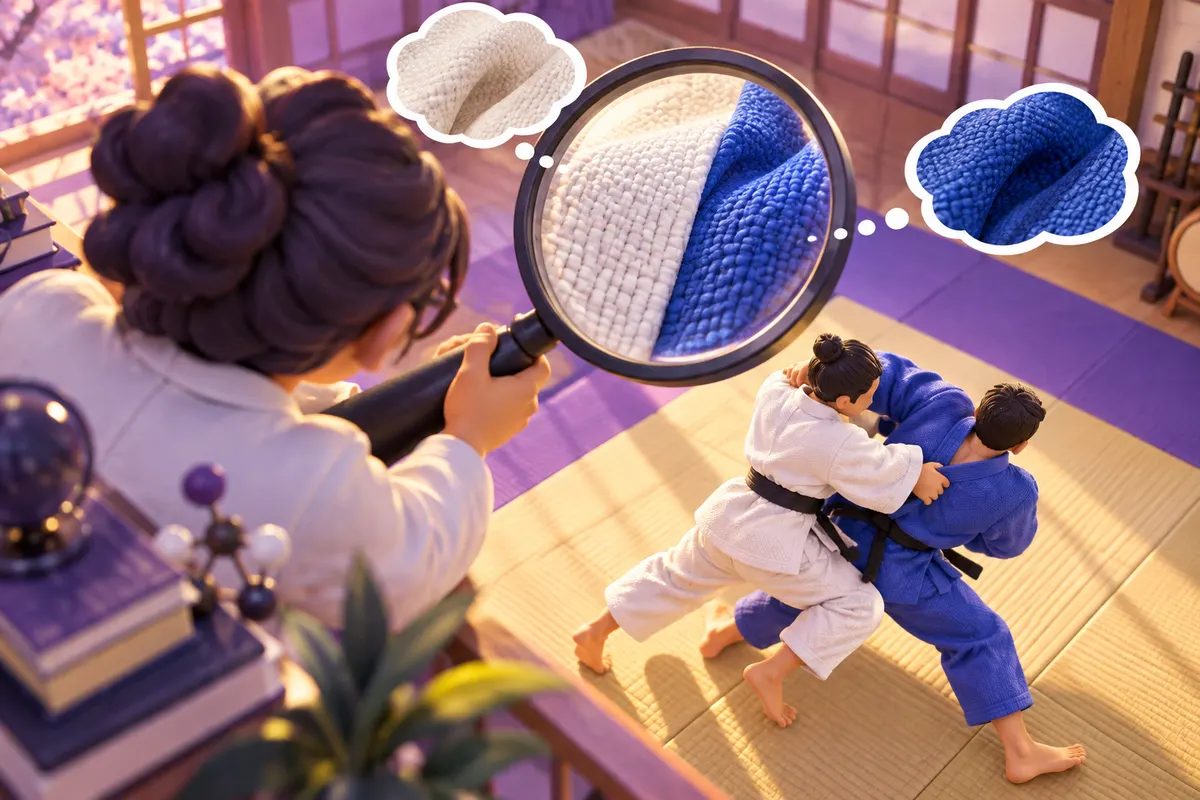
柔道では選手が白か青の柔道着を着ます。別の研究チームが分析すると、柔道では青のほうが勝ちやすかったというのです。研究者たちは「色の意味というより、見え方(目立ちやすさ)の違いでは?」と指摘しました。
ただしその後、柔道で青の有利は確認できなかったとする研究も出ており、ここでも結論は揺れています。
03反論2:強いのは選手ではなく、審判の目?
もっとも興味深いのが、2008年のドイツの研究です。
つまり、赤の"強さ"の一部は、選手ではなく審判の目の中で生まれていた可能性があるのです。採点が審判の判断に左右される競技ほど、こうした影響が出やすいのかもしれません。
04「赤の効果」全般にも黄信号
「赤を着ると魅力的に見える」という有名な研究も、のちに慎重な見直しが進みました。2018年のメタ分析では、効果は小さく(男性が女性を評価する場合 d=0.26)、年を追って縮小した可能性や、結果が実際より大きく出ている可能性(特に女性が男性を評価する場合)が指摘されています。
赤の心理効果は「ゼロ」とは言い切れないものの、期待されていたほど大きくも確実でもないというのが現状です。
05まとめ
「赤は勝負の色」は、ちょっとホントで、かなり微妙でした。赤を着た選手が少し有利に見えた背景には、選手の気迫だけでなく、審判の目の偏りもあったかもしれません。
勝負服は自分を奮い立たせるお守りとして。でも最後にものを言うのは、やっぱり日々の練習です。
この研究を英語で読もう原田英語の English CornerIn 2005, a paper in the journal Nature reported that at the 2004 Athens Olympics, competitors wearing red… 音声
音声 4択クイズ9問A2・B1・B2タップして開く
原田英語の English Corner
この研究を英語で読もう
Can wearing red help you win? At the 2004 Olympics, athletes in some fighting sports wore red or blue. Fighters in red won a little more often, especially in close matches.
But later, a study showed referees videos of the same fights. Only the colors were changed. The referees gave more points to the fighter in red. So the referees' eyes may be part of the reason.
67 words ・ CEFR A2
和訳を見る
赤を着ると勝てるのでしょうか?2004年のオリンピックで、いくつかの格闘技の選手は赤か青を着ていました。赤を着た選手のほうが、特に接戦で少しだけ多く勝ちました。
しかしその後、ある研究で審判たちに同じ試合の映像を見せました。色だけが変えられていました。審判たちは赤を着た選手により多くの点を与えました。つまり、審判の目が理由の一部かもしれないのです。
4択リーディングクイズ
Q1. What is the passage mainly about?
赤を着ると勝てるのか、という研究がテーマなので A。
Q2. What was changed in the videos shown to referees?
Only the colors were changed. とあるので C。
Q3. In this passage, "close matches" are games where ...
close match は「接戦」。実力が近い試合のことなので B。
In 2005, a paper in the journal Nature reported that at the 2004 Athens Olympics, competitors wearing red won slightly more often than those in blue in four combat sports, including boxing and taekwondo. The difference was clearest in close matches. The researchers suggested that red may signal strength, as it does in some animals.
However, critics soon responded. In judo, where athletes wear white or blue, one team found that blue seemed to win more often, although other studies did not confirm this. Then, in 2008, experienced taekwondo referees watched videos in which only the colors of the fighters' gear were digitally switched. They gave more points to the same fighter when he wore red.
116 words ・ CEFR B1
和訳を見る
2005年、学術誌『ネイチャー』に載った論文は、2004年のアテネ五輪で、ボクシングやテコンドーを含む4つの格闘技で、赤を着た選手が青を着た選手よりわずかに多く勝ったと報告しました。その差は接戦で最もはっきりしていました。研究者たちは、一部の動物でそうであるように、赤は強さのサインになるのかもしれないと示唆しました。
しかし、批判者たちはすぐに反応しました。選手が白か青を着る柔道では、ある研究チームが青のほうが多く勝っているようだと発見しましたが、他の研究はこれを確認しませんでした。そして2008年、経験豊富なテコンドーの審判たちが、選手の防具の色だけをデジタル処理で入れ替えた映像を見ました。彼らは同じ選手に対して、その選手が赤を着ているときにより多くの点を与えたのです。
4択リーディングクイズ
Q1. Where was the difference between red and blue clearest?
The difference was clearest in close matches. とあるので D。
Q2. What did one team find about judo?
one team found that blue seemed to win more often とあるので A。ただし他の研究では確認されていない。
Q3. What does the 2008 study suggest?
同じ選手でも赤のときに多く点を与えたので、審判の判断が色に影響されると推論できる。B。
Does red help athletes win? In 2005, a paper in Nature looked at four combat sports at the 2004 Athens Olympics: boxing, taekwondo, and Greco-Roman and freestyle wrestling. Competitors are assigned red or blue regardless of ability, so the setting resembled a natural experiment. In all four sports, those in red won slightly more often, and the advantage was clearest in closely matched bouts.
The authors proposed that red, a signal of dominance in many animals, might intimidate opponents or boost the wearer. Challenges came quickly. A rival team reported that in judo, where athletes wear white or blue, blue seemed to have an edge, which would point to visibility, not the meaning of red.
Later studies failed to confirm it. The most telling test came in 2008. Forty-two experienced taekwondo referees scored video clips in which only the colors of the protective gear had been digitally swapped, and they gave more points to the same performance when it was shown in red. So part of the red advantage may lie with the judges, not the athletes. A 2018 meta-analysis also found that the effect behind a related claim, that red makes people more attractive, was smaller than first reported.
200 words ・ CEFR B2
和訳を見る
赤は選手を勝たせるのでしょうか。2005年、『Nature』に載った論文は、2004年アテネ五輪の4つの格闘技、つまりボクシング、テコンドー、グレコローマンとフリースタイルのレスリングを調べました。選手は実力と関係なく赤か青を割り当てられるので、この状況は自然実験に似ていました。4競技すべてで、赤の選手のほうがわずかに多く勝っており、その有利さは実力の近い試合で最もはっきりしていました。
著者たちは、多くの動物で優位を示すしるしである赤が、相手を威圧したり、着ている本人を奮い立たせたりするのではないかと提案しました。反論はすぐに出ました。別のチームは、選手が白か青を着る柔道では青が有利に見えると報告しました。それが正しければ、大事なのは赤の意味ではなく見えやすさだということになります。
ただし、その後の研究はこの柔道の結果を確認できませんでした。最も決定的な検証は2008年に行われました。経験豊富なテコンドーの審判42人が、防具の色だけをデジタル処理で入れかえた映像を採点したところ、同じ演技でも赤で示されたときのほうに多くの点を与えたのです。つまり、赤の有利さの一部は、選手ではなく審判の側にあるのかもしれません。また、2018年のメタ分析では、赤が人をより魅力的に見せるという関連した主張も、最初に報告されたより効果が小さいことがわかりました。
4択リーディングクイズ
Q1. Why did the Olympic setting resemble a natural experiment?
Competitors are assigned red or blue regardless of ability とあり、実力と無関係に色が決まるので C。
Q2. What did the 2008 referee study show?
they gave more points to the same performance when it was shown in red とあるので D。
Q3. What is the author's overall view of the red advantage?
赤の選手の勝ちはわずかに多いだけで、その一部は審判の側にあるかもしれず、関連する赤の効果も当初より小さい、と述べているので C。
重要単語
- refereeB1名詞審判The referee gave more points to the red fighter.
 サッカー・ボクシングなどは referee、野球・テニスは umpire。judge は採点系競技の審判。
 - outcomeB2名詞結果Color might affect the outcome of close matches. the outcome of ~ の形で。result より「最終的な成り行き」のニュアンス。
- dominanceC1名詞優位、支配Red is often linked to dominance in animals. 形容詞 dominant(支配的な・優性の)、動詞 dominate。dominant gene=優性遺伝子。
- close matchB1名詞(句)接戦The effect appeared mainly in close matches. close は発音 /kloʊs/(形容詞「近い・接戦の」)。close game / close call(危機一髪)も。
- biasB2名詞偏りJudges may have a color bias without knowing it. unconscious bias(無意識の偏り)。動詞 bias は「偏らせる」、形容詞 biased。
- intimidateC1動詞威圧する、おじけづかせるThe big player tried to intimidate his opponent. in-+timid(臆病な)で「臆病にさせる」。形容詞 intimidating(威圧的な)。
- edgeB2名詞優位、強みPractice gave her an edge over the others. have an edge over ~(~より有利である)。本来は「ふち・刃」。
 入試に出る順の単語帳を印刷する →
 全5561語の「科学英単語カード」で復習する →
 この話題を TED で聞く
同じテーマの TED・TED-Ed を、 TED HACK で。英語の見どころ・使える表現・学習ミッションつきの日本語ガイドです。(運営:原田英語)


このネタ、誰かに教えたくなった?
2004年アテネ五輪のボクシングやレスリングで、赤い防具の選手のほうが少し勝ちやすかったという論文がNatureに。でも映像の色だけ入れ替えたら審判の採点まで変わった実験もあるらしい。強いのは選手か、審判の目か。
押すと「マジかリスト」に保存されます
 出典・参考文献(4件)タップで表示
- Hill & Barton (2005) Red enhances human performance in contests, Naturedoi.org
- Rowe, Harris & Roberts (2005) Seeing red? Putting sportswear in context, Naturedoi.org
- Hagemann, Strauss & Leißing (2008) When the referee sees red..., Psychological Sciencedoi.org
- Lehmann, Elliot & Calin-Jageman (2018) Meta-analysis of the effect of red on perceived attractiveness, Evolutionary Psychologydoi.org

※本記事は上記の研究・公開資料をもとに、原田英語が独自の言葉で解説したものです。引用は著作権法第32条の範囲で行い、出典を明記しています。画像はすべてオリジナルのイメージです。研究結果には限界や個人差があります。誤りのご指摘は原田英語のお問い合わせフォームから。
 これも「マジか!?」

 心理学
心理学
「ホットハンドは錯覚」は30年後にひっくり返った。統計の"小さな落とし穴"が見つかって一部復活

 心理学
心理学
囲碁の達人は、知能テストの点がアマチュアより低かった。ただし教育歴をそろえると差は「有意」でなくなった


 心理学
心理学
全員に"同じ性格診断"を配ったら大絶賛。占いが当たる気がする「バーナム効果」

 心理学
心理学
「頭の良さは遺伝で決まる」は誤解? 双子研究の「遺伝率5割」の正しい読み方

 心理学
心理学
10代は「人気者」より「親友1人」? 15歳から25歳まで追いかけた研究のちょっと意外な結論


 心理学
心理学