地球・歴史・物理ビミョー
ローマ帝国は「鉛中毒」で滅んだ? 水道管とグリーンランドの氷が出した、ちょっと意外な答え
 2026.10.02
 English Corner(A2〜B2・4択クイズ)
 読む前に予想してみよう!
古代ローマの人々は、鉛の鍋で煮詰めた甘いシロップをワインなどに使っていた
ブドウ果汁を鉛の容器で煮詰めた甘味料の記録があり、鉛が溶け出した可能性が指摘されている。
 研究カード(どんな研究?)
- 対象
- ローマの港湾堆積物・北極の氷床コア
- 規模
- 都市1つの堆積物+氷床コアの長期記録
- 研究の種類
- 同位体分析・大気モデル・推計
- 確かさ
- ★★☆☆☆
「鉛でローマ滅亡」は言い過ぎ。だが水道水の鉛は自然の最大100倍、氷の記録からは子どものIQが平均2.5〜3下がった可能性も示された。
ひとことで言うとローマは鉛で滅んだわけじゃない。でも、みんな少しずつ鉛をあびていたかも。
「ローマ帝国が滅んだのは、鉛中毒のせいだった」――歴史好きなら一度は聞いたことがあるかもしれません。
確かにローマの人々は、水道管、食器、化粧品などに鉛をたくさん使っていました。英語で水道屋を意味する plumber も、ラテン語の「鉛(plumbum)」が語源です。
でも本当に、鉛が大帝国を滅ぼしたのでしょうか? 最新の研究は、「滅亡説は言い過ぎ、でも鉛の影響は本当にあった」という、なかなか複雑な答えを出しています。
01「鉛で滅亡」説の始まり
この説を大きく広めたのが、カナダの地球化学者ニリアグです。1983年、医学誌『NEJM』に論文を書き、ローマの上流階級に鉛による痛風が多かったのではないかと論じました。
注目されたのが、ブドウ果汁を鉛の鍋で煮詰めた甘いシロップです。ワインや料理の甘味料に使われ、そこに鉛が溶け出していた可能性があります。
02すぐに出た「待った」
しかし、この説には歴史学者から強い反論が出ました。米国の医学史家スカーバラは1984年、「ローマ人の鉛中毒は神話だ」とする書評論文を発表します。
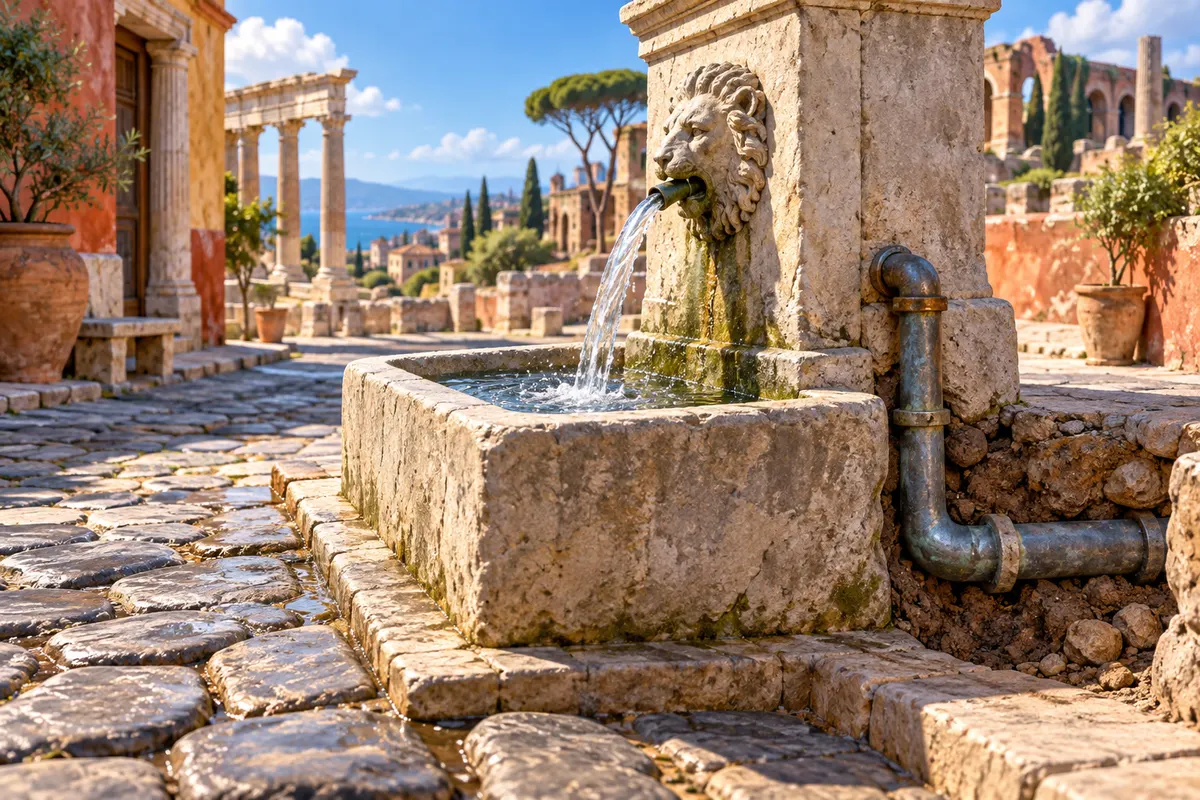
03水道水の鉛は「自然の最大100倍」
では、鉛の影響はなかったのか? そうとも言えません。
ただし、ローマの水は石灰分が多く、管の内側に炭酸カルシウムの層ができて鉛が溶けにくくなった可能性もあります。100倍という数字が、そのまま人々の体に入った量を意味するわけではありません。
04北極の氷に残った「ローマの大気汚染」
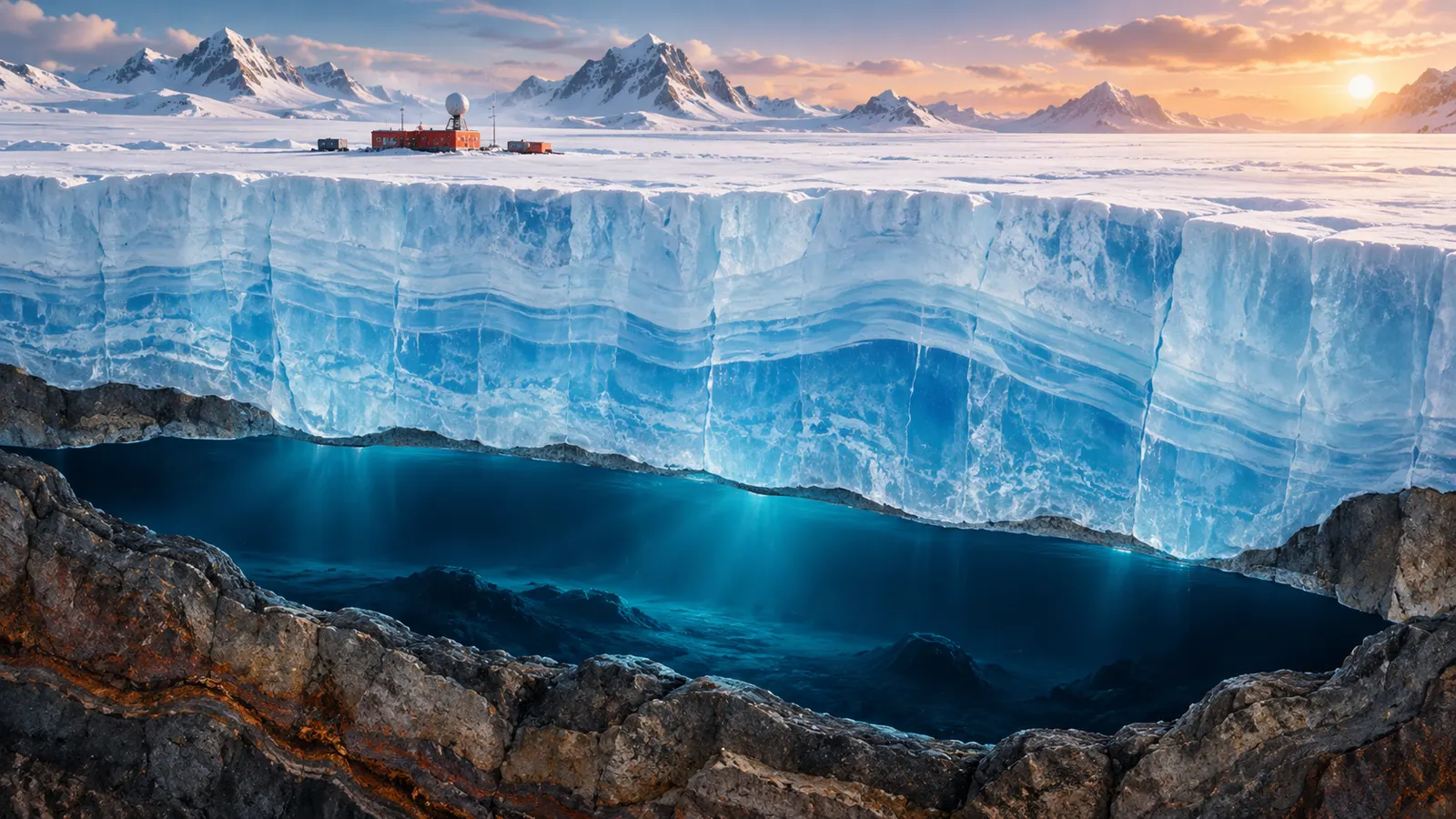
2025年、さらに大きなスケールの研究が発表されました。舞台はグリーンランドなど北極の氷です。
氷は毎年降る雪が積み重なってできるので、その時代の大気に含まれていた物質を記録しています。ローマ時代の銀の製錬では、鉱石に含まれる鉛が大量に空気中へ放出されました。
一人ひとりで見ればわずかですが、何千万人もの人口全体で見ると、無視できない影響だったかもしれません。
05どんでん返し:IQの数字は「推計」
ただし、2025年の研究のIQの数字は、ローマ人の血液を測ったものではありません。氷の記録から空気中の鉛を推定し、それに現代人のデータから作った関係式を当てはめた計算です。
古代の食事や暮らし、鉛の別の摂取経路(食器やシロップ)などの違いを考えると、不確かさは大きいと研究者自身も認めています。
06まとめ
- 「ローマは鉛中毒で滅んだ」は、根拠が弱く言い過ぎ
- ただし、ローマの水道水には自然より大幅に多い鉛が含まれていた可能性がある
- 北極の氷の記録から、帝国全体で子どものIQがわずかに下がった可能性が計算された
- 数字は推計で、不確かさも大きい
文明を一撃で滅ぼす「犯人」はいなくても、見えない汚染は静かに社会をむしばむ。2000年前の教訓は、今も生きています。
この研究を英語で読もう原田英語の English CornerThe Romans used lead in water pipes, dishes and even a sweet syrup made by boiling grape juice in lead pots. 音声
音声 4択クイズ9問A2・B1・B2タップして開く
原田英語の English Corner
この研究を英語で読もう
Some people say that lead poisoning ended the Roman Empire. The Romans used a lot of lead in water pipes and dishes.
But most experts do not agree with this idea. The empire lasted for hundreds of years, and many things caused its fall. Even so, lead was a real problem. Water in Rome may have had up to 100 times more lead than natural water.
66 words ・ CEFR A2
和訳を見る
鉛中毒がローマ帝国を終わらせたと言う人がいます。ローマ人は水道管や食器にたくさんの鉛を使いました。
しかし、ほとんどの専門家はこの考えに賛成していません。帝国は何百年も続き、多くのことがその衰退の原因になりました。それでも、鉛は本当の問題でした。ローマの水には、自然の水の最大100倍の鉛が含まれていたかもしれません。
4択リーディングクイズ
Q1. What is the passage mainly about?
鉛がローマ滅亡の原因かどうかがテーマなので A。
Q2. How much lead may water in Rome have had?
up to 100 times more lead than natural water とあるので D。
Q3. In this passage, "lasted" means the empire ...
last は動詞で「続く」。何百年も続いたという意味なので B。
The Romans used lead in water pipes, dishes and even a sweet syrup made by boiling grape juice in lead pots. In 1983, the scientist Nriagu suggested that many wealthy Romans suffered from lead poisoning, and the idea that lead caused the fall of Rome became popular. However, historians soon disagreed, pointing out that the empire continued for centuries and declined for many political, economic and military reasons.
Even so, lead was a real concern. A 2014 study of river sediments in Rome found that tap water may have contained up to 100 times more lead than natural water. In 2025, another team used Arctic ice to estimate that air pollution from mining may have slightly lowered children's IQ across the empire.
122 words ・ CEFR B1
和訳を見る
ローマ人は水道管や食器、さらにはブドウ果汁を鉛の鍋で煮詰めて作る甘いシロップにまで鉛を使っていました。1983年、科学者ニリアグは多くの裕福なローマ人が鉛中毒にかかっていたと示唆し、鉛がローマの滅亡を引き起こしたという考えが広まりました。しかし、歴史家たちはすぐに反対し、帝国は何世紀も続いたこと、そして政治・経済・軍事の多くの理由で衰退したことを指摘しました。
それでも、鉛は本当に懸念すべきものでした。ローマの川の堆積物を調べた2014年の研究では、水道水が自然の水の最大100倍の鉛を含んでいた可能性があるとわかりました。2025年には別のチームが北極の氷を使い、鉱山による大気汚染が帝国全体で子どものIQをわずかに下げた可能性があると推定しました。
4択リーディングクイズ
Q1. Why did historians disagree with the idea that lead caused Rome's fall?
the empire continued for centuries and declined for many political, economic and military reasons とあるので B。
Q2. What did the 2025 study use to estimate air pollution?
another team used Arctic ice to estimate とあるので C。川の堆積物は2014年の研究。
Q3. Which statement best reflects the writer's view?
滅亡説には反対意見を示しつつ、Even so, lead was a real concern. と影響はあったと述べているので D。
Much of the case for lead poisoning as the downfall of Rome goes back to a 1983 paper by the geochemist Nriagu. Gout caused by lead, he argued, was common among wealthy Romans, partly because of a sweet grape syrup boiled in lead vessels. The historian Scarborough quickly called this a myth, and most scholars now reject the idea.
The empire survived for centuries while using lead, and its decline involved political, economic, military and epidemic factors. The exposure itself, however, appears to have been real. In 2014, researchers analyzed lead isotopes in harbor sediments and estimated that water passing through Rome's lead pipes carried up to about 100 times more lead than natural water. Mineral deposits inside the pipes may have reduced how much people actually absorbed.
In 2025, McConnell and colleagues combined Arctic ice-core records with atmospheric modeling. They concluded that pollution from Roman silver smelting may have raised children's blood lead by about 2.4 micrograms per deciliter, enough to lower average IQ by 2.5 to 3 points across the empire. Nobody tested Roman blood to get these numbers. They are estimates built on modern epidemiological relationships, and the uncertainty grows at every step of the calculation.
199 words ・ CEFR B2
和訳を見る
鉛中毒がローマを滅ぼしたという説の多くは、地球化学者ニリアグによる1983年の論文にさかのぼります。彼は、鉛の容器で煮詰めた甘いブドウのシロップなどが原因で、裕福なローマ人の間では鉛による痛風が多かったと論じました。歴史家スカーバラはすぐにこれを神話だと呼び、現在ではほとんどの学者がこの考えを否定しています。
帝国は鉛を使いながら何世紀も存続し、その衰退には政治・経済・軍事・疫病の要因が関わっていたからです。しかし、鉛への曝露そのものは本当にあったようです。2014年、研究者たちは港の堆積物に含まれる鉛の同位体を分析し、ローマの鉛管を通った水は自然の水の最大約100倍の鉛を含んでいたと推定しました。管の内側にできた鉱物の層のおかげで、人々が実際に吸収した量は少なかったかもしれません。
2025年、マコーネルらは北極の氷床コアの記録と大気モデルを組み合わせました。そして、ローマ時代の銀の製錬による汚染が子どもの血中鉛濃度を約2.4マイクログラム/デシリットル上げ、帝国全体で平均IQを2.5〜3ポイント下げるほどだった可能性があると結論づけました。これらの数値は、ローマ人の血液を検査して得たものではありません。現代の疫学的な関係に基づいて組み立てた推計であり、計算の段階を追うごとに不確かさが大きくなっていきます。
4択リーディングクイズ
Q1. What is the main point of the passage?
滅亡説は否定されているが、曝露は現実にあり影響の可能性もある、という構成なので C。
Q2. Why might the "100 times" figure overstate what people absorbed?
Mineral deposits inside the pipes may have reduced how much people actually absorbed. とあるので A。
Q3. What is the main weakness of the IQ estimate, according to the author?
Nobody tested Roman blood to get these numbers. They are estimates built on modern epidemiological relationships とあるので D。
重要単語
- leadB2名詞鉛Lead pipes were common in ancient Rome.
 「鉛」は /led/、動詞「導く」は /liːd/。発音で区別する入試頻出の同綴異音語。
 - poisoningB2名詞中毒Lead poisoning can harm the brain. food poisoning「食中毒」はよく出る。poison(毒)+-ing。
- ice coreC1名詞(句)氷床コア(氷を円柱状に掘り出した試料)Ice cores record air pollution from the past. core は「芯・中心部」。リンゴの芯も core。
- smeltingC1名詞製錬(鉱石から金属を取り出すこと)Silver smelting released lead into the air. 動詞 smelt。melt(溶ける)と関連づけると覚えやすい。
- isotopeC1名詞同位体Lead isotopes reveal where the lead came from. iso-(同じ)+tope(場所)=周期表で同じ場所を占める原子。
- empireB1名詞帝国The Roman Empire lasted for centuries. emperor(皇帝)、imperial(帝国の)とセットで覚える。
- exposureB2名詞(有害物質などに)さらされること・曝露Exposure to lead is especially harmful to children. be exposed to ~「~にさらされる」は入試超頻出。
 入試に出る順の単語帳を印刷する →
 全5561語の「科学英単語カード」で復習する →
 この話題を TED で聞く
同じテーマの TED・TED-Ed を、 TED HACK で。英語の見どころ・使える表現・学習ミッションつきの日本語ガイドです。(運営:原田英語)

このネタ、誰かに教えたくなった?
「ローマは鉛中毒で滅んだ」は言い過ぎ。でも水道水の鉛は自然の最大100倍、北極の氷の記録からは帝国全体で子どものIQが平均2.5〜3下がった可能性まで計算された。
押すと「マジかリスト」に保存されます
 出典・参考文献(4件)タップで表示
- Nriagu (1983) Saturnine Gout among Roman Aristocrats, New England Journal of Medicinedoi.org
- Scarborough (1984) The Myth of Lead Poisoning among the Romans: An Essay Review, Journal of the History of Medicine and Allied Sciencesdoi.org
- Delile et al. (2014) Lead in ancient Rome's city waters, PNASdoi.org
- McConnell et al. (2025) Pan-European atmospheric lead pollution, enhanced blood lead levels, and cognitive decline from Roman-era mining and smelting, PNASdoi.org

※本記事は上記の研究・公開資料をもとに、原田英語が独自の言葉で解説したものです。引用は著作権法第32条の範囲で行い、出典を明記しています。画像はすべてオリジナルのイメージです。研究結果には限界や個人差があります。誤りのご指摘は原田英語のお問い合わせフォームから。